

Published 7/25/2026, 10:01:46 AM UTC
Saturday's Summary
This briefing analyzes the news climate of the previous 24 hours, ending July 24, 2026. As the administration navigates a complex legislative and geopolitical landscape, today’s report examines the internal friction at the Department of Homeland Security, significant shifts in trade policy following judicial intervention, and the rhetoric surrounding the rescheduled White House Correspondents’ Dinner.
How the coverage differs
The most striking divergence involves the reporting on DHS Secretary Markwayne Mullin. Left-leaning outlets are treating the reported rift between Mullin and the White House as a major stability crisis, focusing on "insider" accounts of incompetence and lack of coordination. Conversely, right-leaning outlets have almost entirely ignored the story of internal DHS friction, focusing instead on the President's foreign policy claims and legislative updates.
Regarding the White House Correspondents' Dinner—a high-consensus event due to its rescheduling after the April attack—the framing differed sharply. Left-leaning coverage prioritized the President's antagonistic relationship with the media during the event. Right-leaning coverage, however, used the timing of the dinner to highlight a specific judicial win for journalists regarding the DOJ's withdrawn subpoenas, framing the administration’s legal retreat as a significant affirmation of press rights, even while the President criticized those same outlets in his speech.
Daily on Energy: A nuclear day at the White House
WHAT’S HAPPENING TODAY: Good afternoon and happy Friday, readers! Members of the House began to flee D.C. for their summer recess yesterday, but the upper chamber is still working. The Senate won’t be breaking for two more weeks, and there’s a lot to get done. Could we see text on permitting?…

Trump: Russia, China are staying out of Iran war
'Two major countries that people speak of often in terms of Iran are, in my opinion, not participating'

Trump expected to attend White House Correspondents' Dinner redo after April attack
President Trump is expected to attend the redo of the White House Correspondents' Dinner on Friday night after an armed assailant upended April's dinner.
Left-Leaning Media's Perspective
- Internal DHS Friction: Outlets highlighted reports that Homeland Security Secretary Markwayne Mullin is on "thin ice" with the White House after only four months. The tension reportedly stems from Mullin’s unilateral decision to halt ICE vehicle stops—a move President Trump reversed within 24 hours—and concerns regarding the immigration law expertise of top DHS leadership.
- Expansion of Tariffs: Significant attention was paid to the administration’s rollout of new levies on over 80 countries. These tariffs are being framed as a strategic response after the Supreme Court recently struck down the administration’s previous trade penalties.
- WHCD Rhetoric: Coverage focused on the tone of the President’s speech at the rescheduled White House Correspondents’ Dinner, specifically his "swipes" at the press corps and political rivals while touting his administration's record.
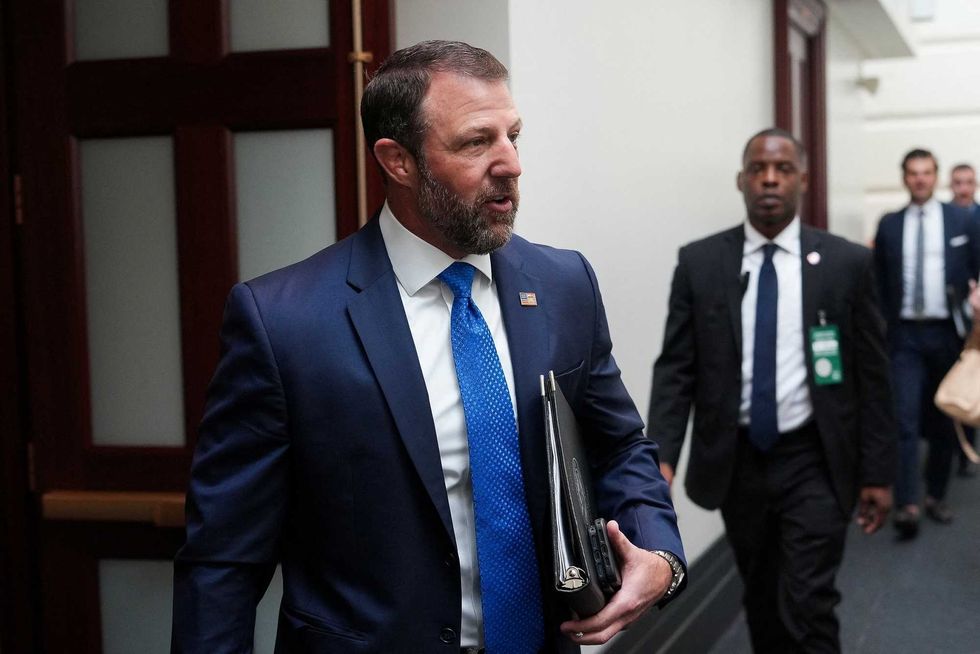
DHS Secretary on thin ice with the White House
Department of Homeland Security Secretary Markwayne Mullin is failing to meet White House expectations four months into his tenure, facing criticism for making major policy decisions without explicit presidential approval. The breaking point came when Mullin unilaterally ordered Immigration and…
Special Report: Trump delivers speech at rescheduled White House Correspondents’ Dinner
Watch President Donald Trump’s full speech at the White House Correspondents’ Dinner, which was rescheduled after a shooting at the previous dinner in April. Trump took swipes at some of the journalists in the room and some political rivals while touting his accomplishments.
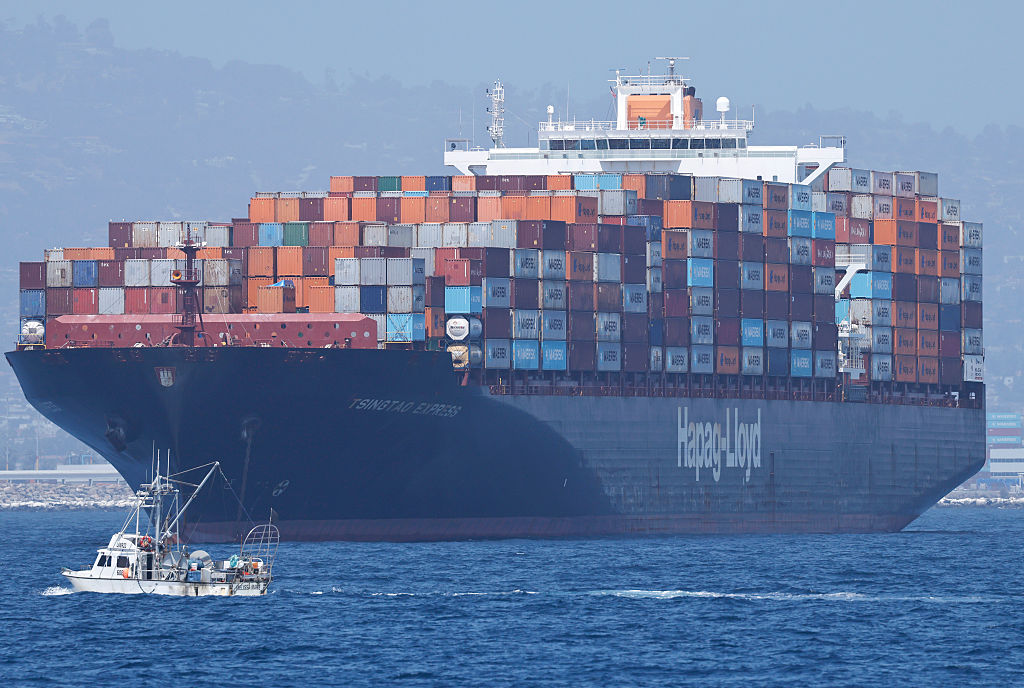
Trump’s New Tariffs on Over 80 Countries, Explained
The new levies come after the Supreme Court struck down most of the Administration’s previous tariffs.
Right-Leaning Media's Perspective
- Legal Victories for Press Freedom: Reports heavily featured the Department of Justice’s decision to withdraw subpoenas against New York Times reporters. The move followed a federal judge's criticism of the administration’s attempt to compel the disclosure of confidential sources, which was framed as a victory for the First Amendment.
- Geopolitical Stability: Outlets highlighted the President’s assertion that Russia and China are staying out of the conflict involving Iran. This is being presented as a sign of successful non-interventionist positioning by major global powers.
- Legislative Energy Push: While the House has entered summer recess, focus remains on the Senate's continued work on energy permitting and nuclear policy, with expectations mounting for new legislative text regarding the "Fix" framework.
White House Correspondents' Dinner Do-Over
On Thursday afternoon, Justice Department attorneys withdrew subpoenas issued to New York Times reporters compelling them to reveal confidential sources, standing down after pushback from a "visibly irritated" federal judge, the AP reported. "Subpoenas are the last step, not the first step," said…
Daily on Energy: A nuclear day at the White House
WHAT’S HAPPENING TODAY: Good afternoon and happy Friday, readers! Members of the House began to flee D.C. for their summer recess yesterday, but the upper chamber is still working. The Senate won’t be breaking for two more weeks, and there’s a lot to get done. Could we see text on permitting?…
Trump: Russia, China are staying out of Iran war
'Two major countries that people speak of often in terms of Iran are, in my opinion, not participating'