

Published 7/24/2026, 10:00:52 AM UTC
Friday's Summary
This briefing analyzes the news climate and primary media narratives of the previous 24 hours, ending July 23, 2026. Today’s landscape is dominated by high-stakes foreign policy shifts in the Middle East and intensifying domestic friction between the White House and Senate Republican leadership.
How the coverage differs
The Saudi nuclear deal serves as the primary point of divergence in framing. Right-leaning outlets largely accepted the administration’s narrative that the deal is a "peaceful nuclear cooperation" agreement that acts as a prerequisite for the Abraham Accords. In contrast, left-leaning outlets focused on the "fine print," specifically the potential for future uranium enrichment and the lack of a formal "snap inspection" protocol from the International Atomic Energy Agency. While the Right framed the deal as a finished diplomatic triumph, the Left framed it as a risky gamble with significant transparency issues.
On domestic policy, there is high consensus regarding the growing tension between the White House and Senate Majority Leader John Thune. Both sides reported on Press Secretary Karoline Leavitt’s statement that the President’s patience is "running out" over the SAVE America Act. However, the framing of the Iran War Powers resolution varied significantly; while the Right celebrated the Senate block as a preservation of the Commander-in-Chief’s strength, the Left largely ignored the vote's mechanics, focusing instead on the potential for "major military punishment" threatened by the President against Houthi rebels and Iran following Red Sea shipping attacks.

JUST IN: Trump Threatens “Major Military Punishment” Against Iran and Houthi Rebels After Ships Targeted in Red Sea
President Trump on Thursday responded to Yemen's Iran-backed Houthi rebel group's attacks on shipping in the Red Sea, threatening to hold both Iran and the Houthis responsible. The post JUST IN: Trump Threatens “Major Military Punishment” Against Iran and Houthi Rebels After Ships Targeted in Red…

White House says Trump’s patience with Thune ‘running out’ over SAVE America Act
President Donald Trump’s patience is “running out” with the Senate and Senate Majority Leader John Thune (R-SD) amid pushback regarding Trump’s top priority, the SAVE America Act. “His patience is running out,” White House press secretary Karoline Leavitt told reporters on Thursday. “He wants to…

JUST IN: Senate Blocks Iran War Powers Resolution to Restrain Trump After These Four House Republicans Vote with Dems to Advance Measure
The US Senate on Thursday rejected an Iran war powers resolution to restrain President Trump in a 47 to 49 vote. The post JUST IN: Senate Blocks Iran War Powers Resolution to Restrain Trump After These Four House Republicans Vote with Dems to Advance Measure appeared first on The Gateway Pundit.
Left-Leaning Media's Perspective
Concerns over Saudi nuclear enrichment. Left-leaning outlets highlighted discrepancies between President Trump’s public assertions and the reported details of a new civilian nuclear deal with Saudi Arabia. Reports emphasized that while the President claimed there would be "no enrichment," the agreement reportedly includes a two-year study that could lead to U.S.-built enrichment facilities on Saudi soil, a move critics argue bypasses standard nonproliferation safeguards.
Skepticism of Israel normalization claims. Media coverage questioned the White House's claim that the nuclear deal is contingent on Saudi Arabia joining the Abraham Accords. Outlets noted that initial reporting suggested no formal requirement for the kingdom to recognize Israel, and pointed to Saudi statements insisting on a clear path to Palestinian statehood before normalization occurs.
Negotiation "desperation" and past precedents. Commentary focused on what was described as a rushed attempt by the administration to secure a landmark deal. Analysts frequently referenced the administration's previous handling of the Iran nuclear deal and a recently collapsed memorandum of understanding as reasons for caution regarding the current Saudi negotiations.
White House says Saudi Arabia nuclear deal contingent on joining Abraham Accords
During a press briefing, White House press secretary Karoline Leavitt echoed a social media post from President Trump that said any nuclear deal with Saudi Arabia would be contingent on them joining the Abraham Accords. NBC News' Monica Alba reports from the White House on the potential deal and…
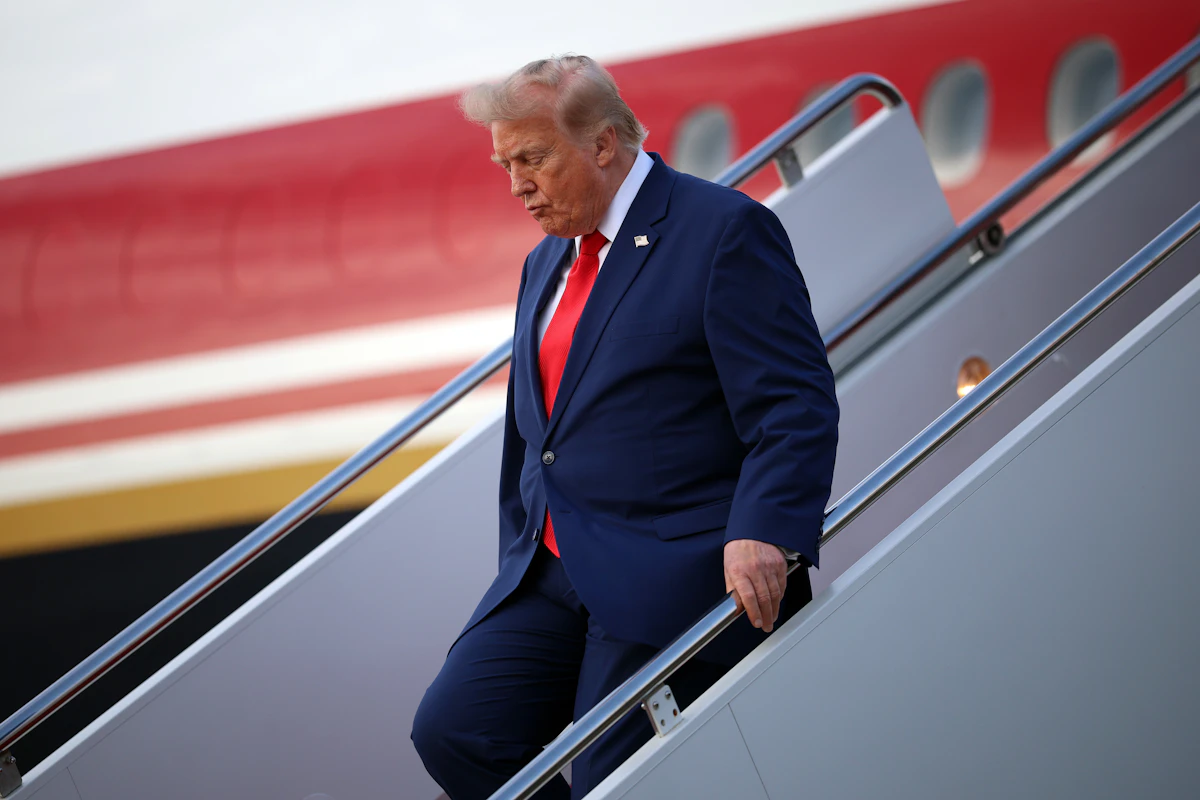
Trump Rushes to Convince People Saudi Arabia Nuclear Deal Is Great
President Donald Trump is desperate to sell Americans on his landmark nuclear deal with Saudi Arabia that would loosen restrictions for the close U.S. partner. In a post on Truth Social Thursday, Trump declared that there would be “no enrichment of material” as part of his nascent nuclear deal,…
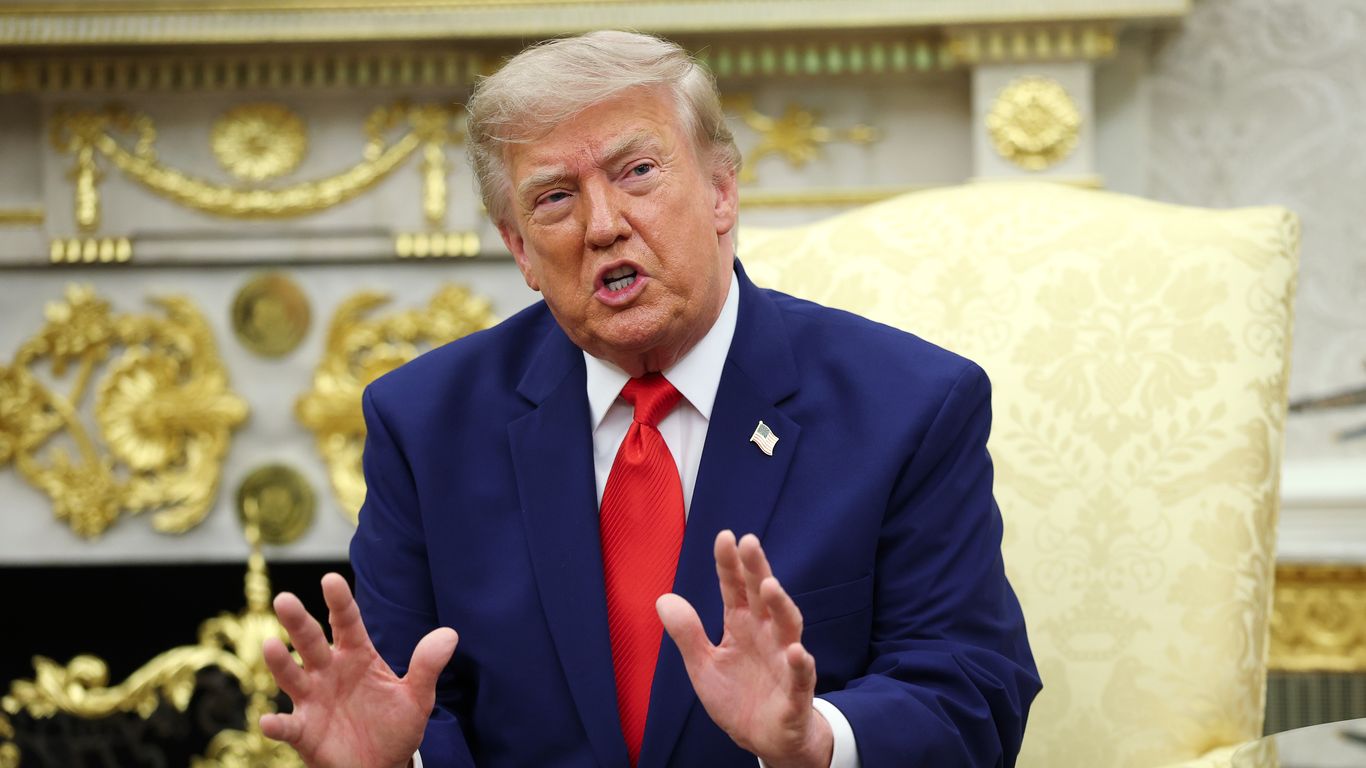
Trump says Saudi nuclear deal bars enrichment, requires Israel normalization
President Trump claimed Thursday the new nuclear deal the U.S. signed with Saudi Arabia will not include uranium enrichment and requires the kingdom normalize its relations with Israel.Why it matters: Trump is responding to two of the bigger criticisms of the deal: that it could open the door to…
Right-Leaning Media's Perspective
Legislative victory on Iran war powers. Right-leaning outlets heavily covered the U.S. Senate’s rejection of a resolution intended to restrain the President’s military authority regarding Iran. The 47-49 vote was framed as a successful defense of executive power, particularly after four House Republicans had previously crossed party lines to support the measure.
Saudi deal as a win for the Abraham Accords. Coverage centered on the White House's stance that the nuclear cooperation agreement is a strategic lever to expand Middle Eastern peace. Reports amplified President Trump’s Truth Social posts asserting that the deal is strictly for civilian use and will ultimately force a historic diplomatic breakthrough between Saudi Arabia and Israel.
Fetterman’s defense of Netanyahu. Outlets highlighted Senator John Fetterman’s outspoken criticism of New York City politicians who suggested they would arrest Israeli Prime Minister Benjamin Netanyahu if he visited the city. The Senator’s "clown" comments were used to illustrate a divide within the broader political left regarding support for Israel.
JUST IN: Senate Blocks Iran War Powers Resolution to Restrain Trump After These Four House Republicans Vote with Dems to Advance Measure
The US Senate on Thursday rejected an Iran war powers resolution to restrain President Trump in a 47 to 49 vote. The post JUST IN: Senate Blocks Iran War Powers Resolution to Restrain Trump After These Four House Republicans Vote with Dems to Advance Measure appeared first on The Gateway Pundit.
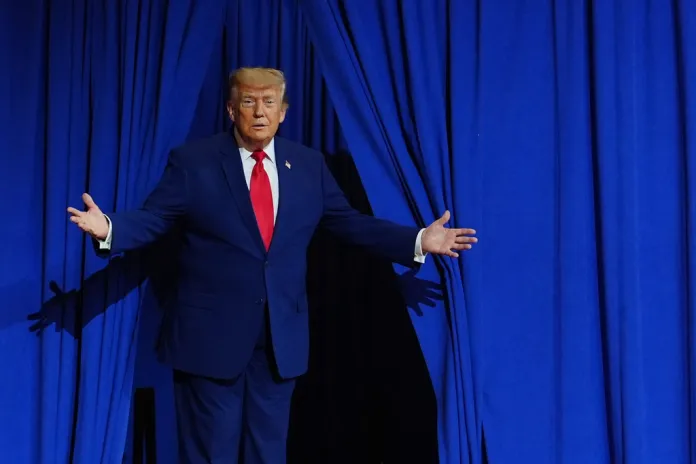
Trump says Saudi nuclear deal depends on country joining Abraham Accords
President Donald Trump announced that the new “peaceful nuclear cooperation agreement” between the United States and Saudi Arabia, signed on Wednesday, hinges on the Saudis joining the Abraham Accords. “The Civil Nuclear Deal (There will be no enrichment of material!) being made between the United…

John Fetterman Slams Zohran Mamdani Over Netanyahu Arrest Nonsense: ‘He’s a Total Clown’ (VIDEO)
Senator John Fetterman is not impressed with New York City Mayor Zohran Mamdani, or the song and dance that he has been doing about arresting Israeli leader Netanyahu if he comes to the city. The post John Fetterman Slams Zohran Mamdani Over Netanyahu Arrest Nonsense: ‘He’s a Total Clown’ (VIDEO)…