Tuesday's Summary
This briefing analyzes the news climate and media coverage from the 24-hour period ending June 15, 2026. Today’s report focuses on the shifting narratives surrounding the newly signed memorandum of understanding between the United States and Iran, the clarity of terms regarding the Strait of Hormuz, and the domestic political fallout from the administration's diplomatic maneuvers.
How the coverage differs
The most striking divergence between the two sides involves the framing of the deal's financial components. Left-leaning outlets characterized the potential $300 billion reconstruction fund as a "jaw-dropping" concession and a sign of a failing strategy. In contrast, right-leaning outlets generally ignored the specific dollar amount or framed it as an unverified rumor, focusing instead on the procedural failure of the White House to release the official text, which they argued would put an end to such "conflicting claims."
On the "High Consensus" front, both sides reported on the immediate economic impact of the deal, noting that stock markets rose and oil prices fell following news of the ceasefire. However, the interpretation of the regional fallout differed. High-consensus reporting highlighted the growing rift between President Trump and Israeli Prime Minister Benjamin Netanyahu. While both sides acknowledged this tension, left-leaning reports tended to frame it as a threat to the deal's viability, while right-leaning and centrist reports often focused on the clandestine Qatari cash transfers allegedly used to "buy security" for shipping lanes prior to the formal agreement.
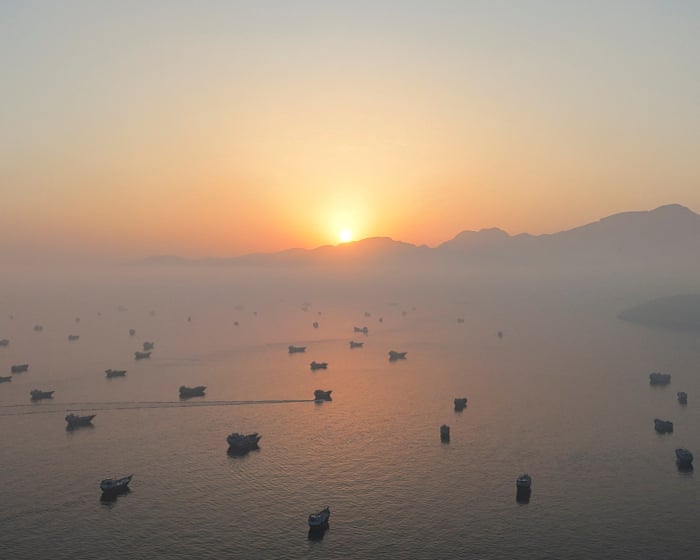
Trump news at a glance: Long way to Friday and Iran peace deal signing
‘A compromise deal packed with fudges’; Newsom says Trump weaponizing justice department against him. Key US politics stories from Monday 15 June at a glanceNews of a potential reopening of the strait of Hormuz, through which a fifth of the world’s oil and liquid gas pass, sent stock markets higher and oil prices lower on Monday morning. Iran had closed the waterway to most shipping in the early days of the war mounted against it by the US and Israel.The secretariat of Iran’s supreme national security council said war and military operations on all fronts, including Lebanon, would end permanently from Monday night. The precise terms of the peace deal remain unclear and Julian Borger writes that in reopening the strait, on a basis yet to be fully explained, Donald Trump achieves little more than fixing a problem that he caused himself. “Even that is not in the bag yet. It is still a long way to Friday and a planned signing ceremony in Geneva, in view of all the fudges that have been packed into this compromise deal.” Continue reading...
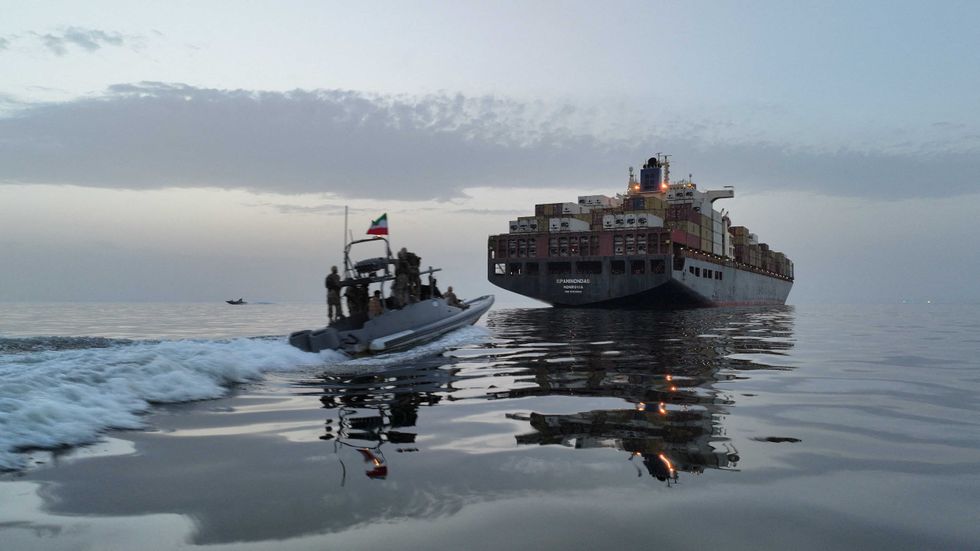
Trump's 'corrupt' cash deal with Iran roils critics as Strait of Hormuz reopening begins
President Donald Trump has touted the framework to end his war with Iran as a great deal for the American people, and he and his officials have insisted Iran won't "get a dime" until they follow through on their obligations. But new reporting suggests Iran has already received money under the table.According to a report from Israel Hayom, a month ago, the Trump administration secretly approved a deal where Qatar transferred cash to Iran in exchange for a promise of safe passage for Qatari ships through the Strait of Hormuz.This clandestine deal "dovetailed with Doha's interest in opening a direct channel of communication with Tehran, which began to tighten after the ceasefire. Qatar, fearing a renewed Iranian attack on its facilities after one of its gas installations was attacked during the war, sought to buy security quiet," said the report. It also came as the U.S. was desperate to get traffic moving through the Strait, as the shutdown of the critical shipping artery has disrupted world oil exports.The reporting instantly provoked an explosive reaction from social media commenters."CORRUPT," wrote former Rep. Adam Kinzinger (R-IL), a former lieutenant colonel in the Air National Guard."Bloody hell — US colluded with Qatar and Iran to undermine its own blockade. This is nuts," wrote Dr. Nafeez Ahmed, a British reporter with the Byline Times."I believe it. The lies and spin have been since day one," wrote podcaster Peter Grandich. "But as long as the stock market remains up and family and friends make billions, to heck with the long-term implications."

Trump, Netanyahu tensions reach new high, complicating Iran deal
Tensions have never been higher between President Trump and Israeli Prime Minister Benjamin Netanyahu over how to end the war they started together, threatening the viability of a U.S.-Iran peace deal signed over the weekend. Trump is claiming victory in cutting off the Islamic Republic’s pathway to a nuclear weapon, while the deal also reopens…
Left-Leaning Media's Perspective
- Discrepancies in the Strait Reopening: Outlets focused heavily on Vice President JD Vance’s Monday interview on CNBC, where he stated that "technical negotiations" would determine if the Strait of Hormuz remains toll-free long-term. This was framed as a direct contradiction to President Trump’s earlier assertion that the waterway was already authorized for immediate, "toll-free" opening.
- The $300 Billion Reconstruction Fund: Significant attention was paid to the potential for Iran to access $300 billion in reconstruction funds, funded by a Gulf Coast coalition. Critics emphasized that this contradicts previous administration promises that Iran would not receive cash or funds simply for signing a deal.
- Historical Comparisons: Narratives frequently compared the current framework to the 2015 JCPOA, suggesting that Trump’s new deal involves significantly larger financial concessions than the Obama-era agreement he previously criticized and withdrew from.
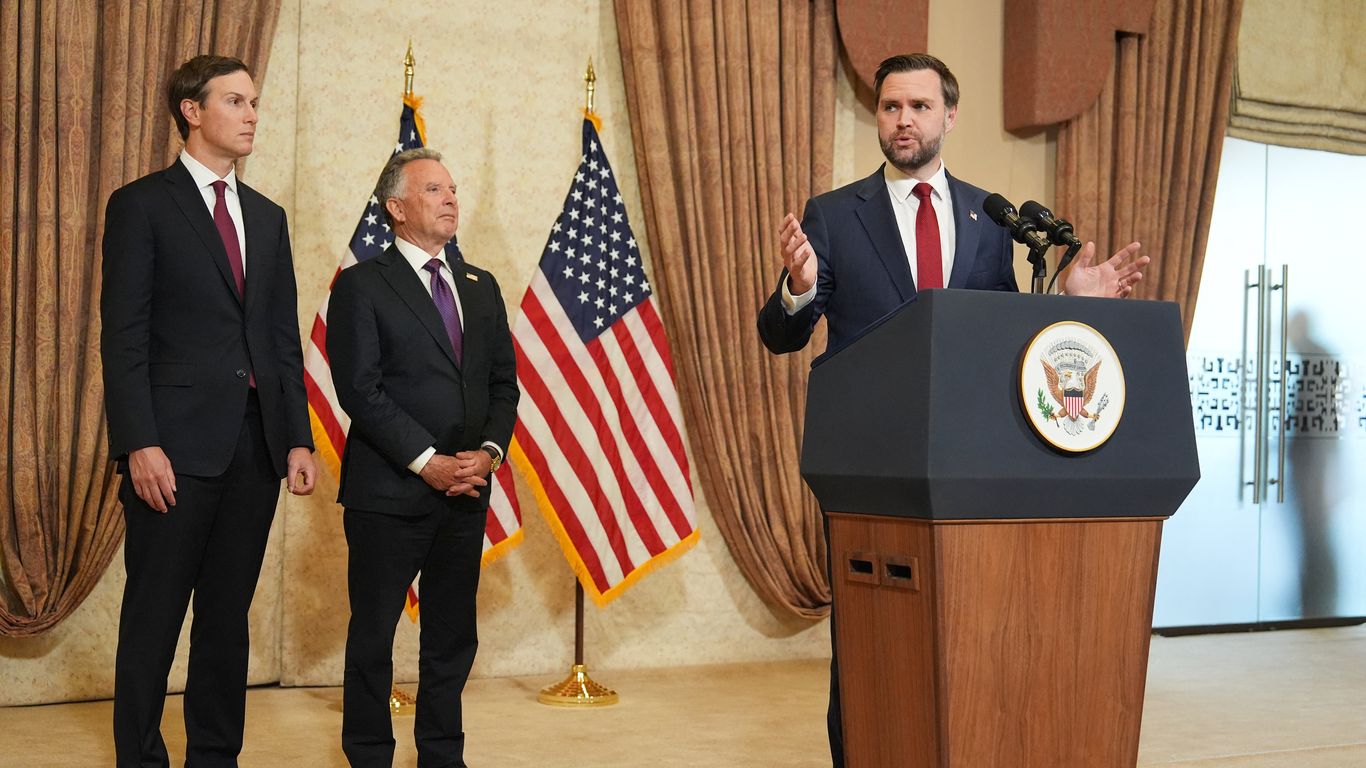
The 8 unresolved questions in Trump's Iran deal
The U.S.-Iran deal was signed electronically on Sunday by President Trump, Vice President Vance and Iranian parliamentary speaker Mohammad-Bagher Ghalibaf, senior administration officials told reporters on Monday. Why it matters: The deal is already testing whether Washington and Tehran can turn a battlefield pause into a broader settlement — starting with the Strait of Hormuz, and then moving to the far thornier question of Iran's nuclear program.State of play: A 60-day ceasefire extension is in effect, U.S. officials say, including in Lebanon. But the Strait of Hormuz is not expected to begin reopening until after a formal signing ceremony Friday in Geneva.Vance, U.S. envoys Steve Witkoff and Jared Kushner, Ghalibaf and Iranian Foreign Minister Abbas Araghchi are expected to meet Friday with Pakistani and Qatari mediators to discuss the next phase.U.S. officials say the full text of the memorandum of understanding (MOU) will be released in the next 24-48 hours, though Trump said it might not be published until after it's signed.The big picture: Washington and Tehran are racing to shape the narrative around a deal that few people have actually read, but which markets, world leaders and ordinary citizens are already reacting to.The U.S. says relief for Iran will be tied to performance. Iranian state media has described a more generous package.Shipping companies say they're waiting for clearer guarantees from Tehran before sending cargo through the Strait of Hormuz.Hawks in Washington and Israel are pressing the White House to explain exactly what Iran is getting — and what happens if nuclear talks fail.Breaking it down: Here are eight key questions that are still swirling around the deal.The White House did not respond to the questions when asked by Axios.1. Is the deal actually in effect?The MOU was signed electronically on Sunday, with a more formal signing ceremony to be held on Friday in Switzerland.The 60-day extension of the ceasefire took immediate effect, but the strait is not yet fully open.While Trump announced the "immediate" lifting of the U.S. blockade and opening of the strait on Sunday, he later said it would open on Friday once the ceremony takes place.A U.S. defense official said the military was ordered to prepare to lift the blockade Friday.Trump claimed Monday that ships were already moving, though Iranian state media said the status of the strait was unchanged.2. Will the strait be truly "open"?The U.S. side has consistently said the deal would open the strait without "tolls" or any other restrictions. A regional diplomat involved in the mediation told Axios last week that the deal called for shipping volumes through the strait to return to prewar levels within 30 days. But Iranian officials have told state media the strait won't simply return to "pre-war status," and that Iran will retain some level of control.The Fars news agency reported that Iran had agreed not to impose tolls during the 60 days, but would begin charging safety and environmental fees after that.The intrigue: A senior administration official said there would be a "regional dialogue" on the future of the strait and how to ensure it will never be closed again.State of play: Shipping companies are moving cautiously. Maersk and others have said they're waiting for more clarity and guarantees of safety, and some analysts doubt volumes will actually return to the pre-war norm any time soon.A senior administration official told reporters the U.S. expects volumes to increase significantly over the next two weeks, though probably not to return to normal."Some crews want to see a little bit more stability for the next couple of days, maybe the next couple of weeks," the official said.3. What does Iran get?Both sides agree that Iran gets two big things: an end to the fighting, and sanctions waivers to allow oil exports. That alone would generate much-needed revenue for Tehran, but Iranian state media has claimed the government is also getting billions of dollars in frozen funds just for signing.A senior U.S. official adamantly denied that, saying Iran would only get access to those funds based on a "pay for performance model." The full economic benefits of the deal, the U.S. side says, depend on signing a more detailed nuclear accord.Some skeptics of the deal have raised concerns there might be side agreements that give Iran access to cash immediately, though the White House calls that "misinformation."Yes, but: The senior administration official said the U.S. was prepared to make some "small gestures" early in the process on frozen funds and sanctions relief if Iran made similar "gestures" reflecting their willingness to comply with the deal.4. Do they agree about what's been agreed?The U.S.
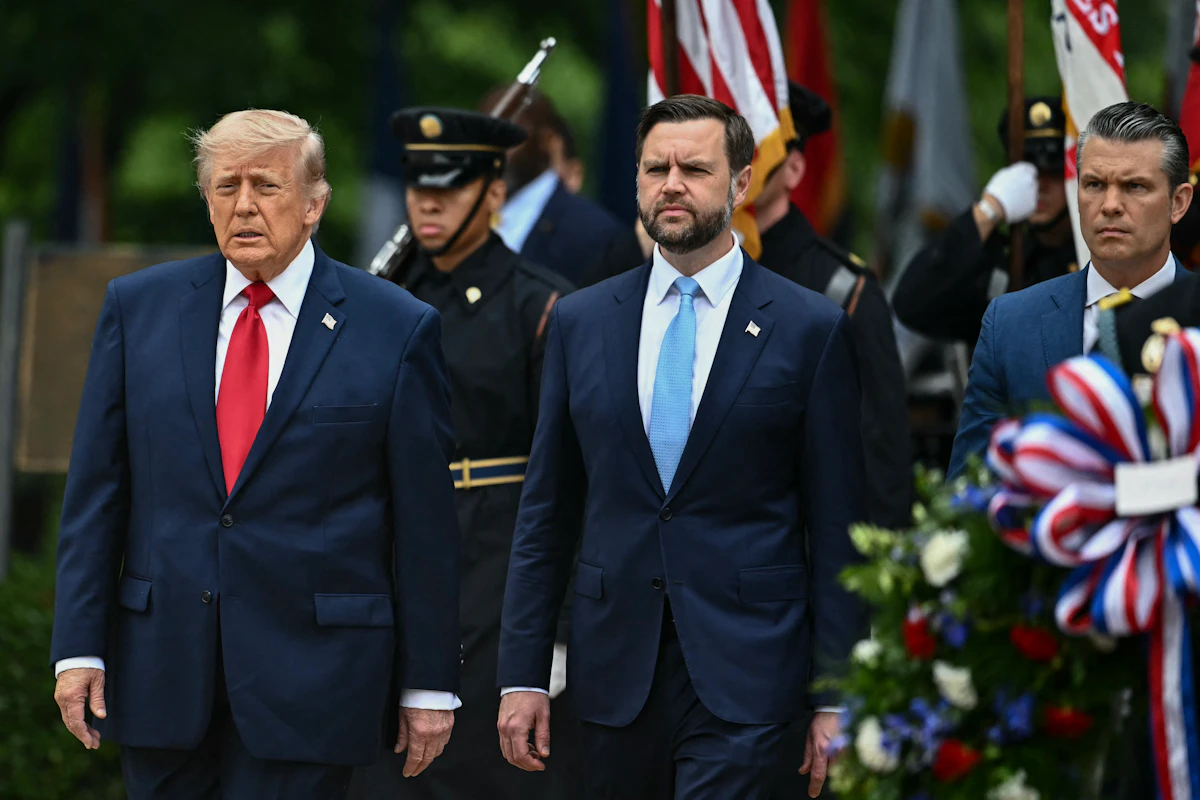
Vance Reveals Trump Lied About Strait of Hormuz Solution in Iran Deal
The Strait of Hormuz will not be reopening long-term and toll free, contrary to President Trump’s assertions. Vice President JD Vance was asked on CNBC Monday about Trump’s claim that the strait will fully reopen under the tentative deal with Iran, and his words exposed the truth. “Well, our expectation is that the strait is going to be opened in a toll-free way for the long term, and that’s the sort of thing that we’re going to figure out in these technical negotiations. You know, there are a lot of very important details to figure out that we’re actually going to sit at the table and discuss together, and figure out a path forward on these details,” Vance said, revealing that nothing has actually been decided yet. 🚨 Wow. JD Vance sidesteps confirming a long-term, toll-free reopening of the Strait of Hormuz by stating that those details would be determined in upcoming technical negotiations:“Well, our expectation is that the strait is going to be opened in a toll-free way for the long… pic.twitter.com/h6qxL4WbQm— MeidasTouch (@MeidasTouch) June 15, 2026Shortly after Vance’s interview, Trump announced that the U.S. and Iran had both signed the memorandum of understanding. But the text is still not public—with Trump saying it may be released “some time after Friday” or “some time in the very near future.”When Trump announced the peace deal with Iran on Sunday, he said that he fully authorized “the toll free opening of the Strait of Hormuz, and simultaneously herewith, authorize the immediate removal of the United States Naval blockade. Ships of the World, start your engines. Let the oil flow!”On Monday, Trump claimed that ship traffic had returned to the strait, but Iranian foreign ministry spokesperson Esmaeil Baghaei said that fees would still be charged for ships traversing the strait. “Our goal is to pave the way for a secure passage in this waterway,” Baghaei said. “We need a certain period of time to discuss with the other sides this important matter.”All of this indicates that a return to how the strait ran before the war is still weeks and months away, with an actual agreement between Iran and the U.S. far from settled.
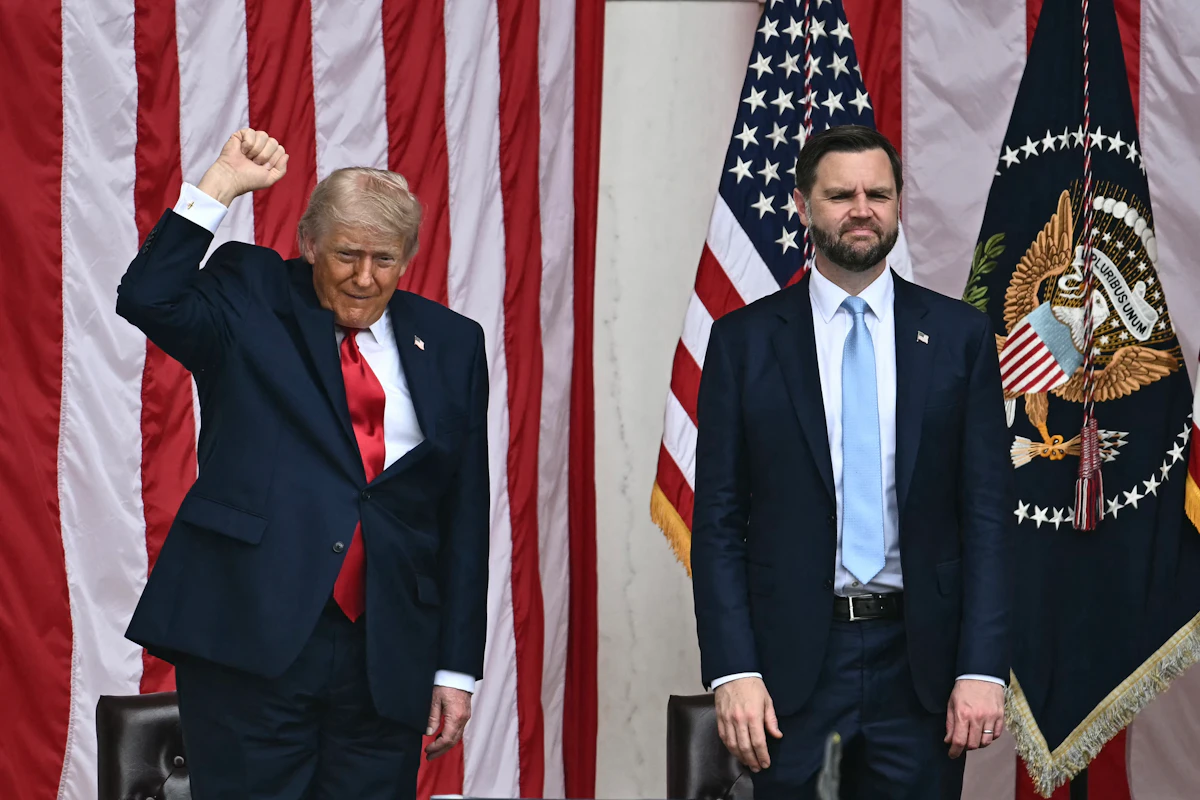
JD Vance Confirms Iran Will Get Jaw-Dropping Sum Under Trump Deal
Vice President JD Vance all but confirmed a detail being floated as part of the tentative U.S.-Iran peace deal: Iranian access to $300 billion in reconstruction funds. Vance was asked by CBS’s Ed O’Keefe Monday morning about whether the rumored detail was true, and he said that it could be possible if Iran adheres to the agreement. “That’s the sort of thing they could have access to, funded by the Gulf coast coalition, so long as they honor their end of the obligation,” Vance said. He noted that Iranian officials and media would be emphasizing the benefits they receive from the deal as opposed to what they concede. CBS: The Iranians are saying they're gonna have access to a $300 billion reconstruction fund. True or false?JD VANCE: That's the sort of things they could have access to so long as they honor their end of the obligation pic.twitter.com/30Ip8CGItn— Aaron Rupar (@atrupar) June 15, 2026Vance’s admission contradicts what he said on Friday, when he claimed in an X post that Iran would not be “receiving any cash, and no funds are being released simply for signing a deal or attending a meeting.” In addition to the U.S. paying $300 billion in reconstruction funds, Iran reports that the U.S. has agreed to release $25 billion in frozen Iranian assets.Conservatives, including Trump and Vance, have long criticized the Obama administration’s 2015 nuclear deal, which involved the U.S. lifting sanctions and sending Iran $1.7 billion to settle decades-old failed contracts between the two countries. That deal was also succeeding, with international observers stating that Iran was adhering to all its nuclear terms. It was Trump who decided to break it in his first term and then start a war with Iran in his second. Now, he’s only pushing a deal because his efforts are failing spectacularly, costing money, innocent lives, and American credibility.
Right-Leaning Media's Perspective
- Demand for Transparency: The dominant theme across conservative outlets was the "fog" surrounding the memorandum of understanding. Commentators called for the immediate release of the full text to resolve conflicting reports from Washington and Tehran.
- The "Art of the Deal" Framing: While acknowledging the potential for a major diplomatic win, coverage remained cautious, highlighting that the details of the agreement remain opaque to everyone outside a small circle of negotiators.
- Strategic Skepticism: National security-focused commentary expressed concern over Iranian state media claims that contradicted the White House's "pay for performance" model, arguing that without a public document, the administration is losing control of the narrative.
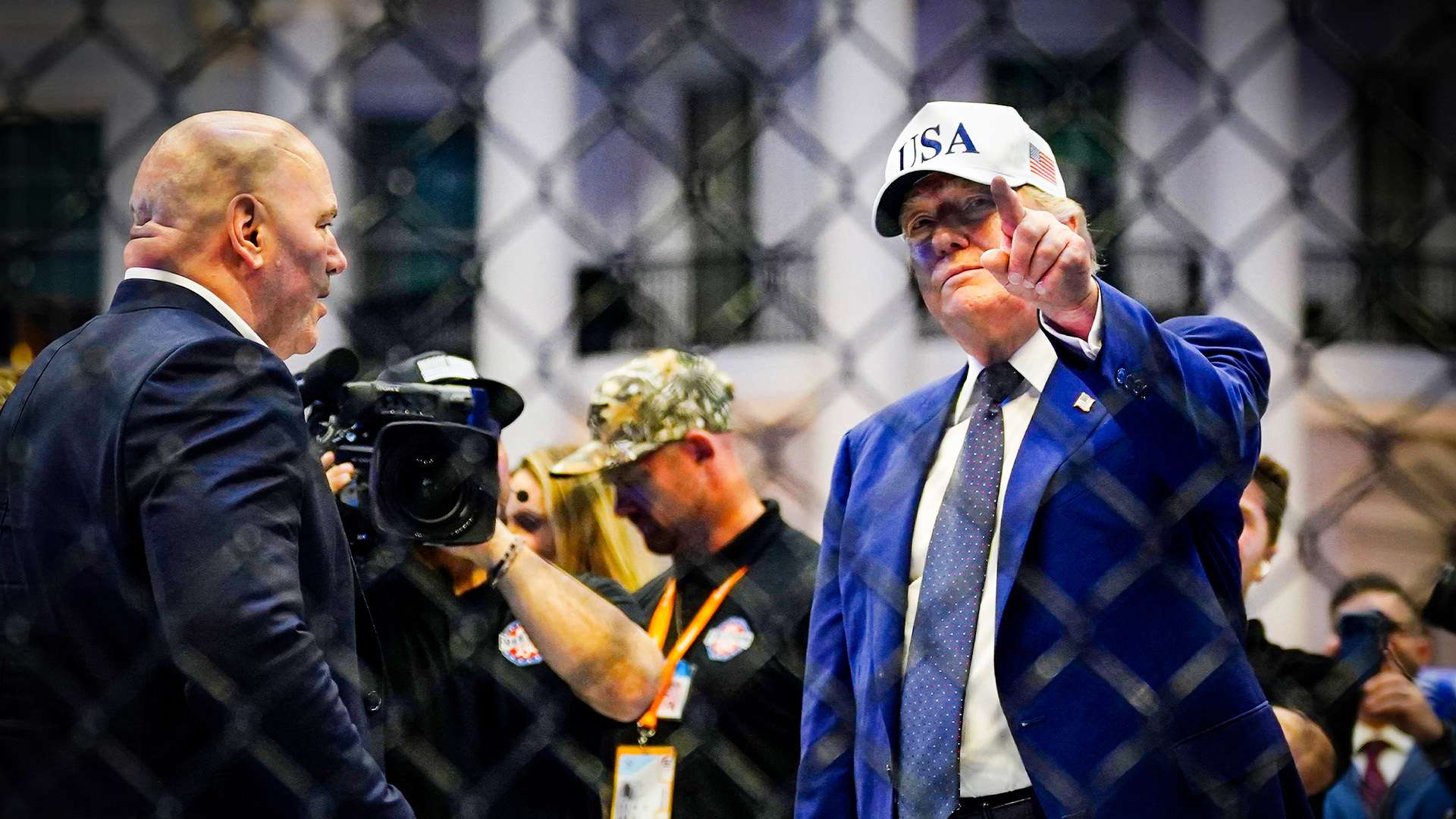
The Art of the Deal
Plus: Anthropic vs. the government, Knicks win, bread and circuses, and more...

The fog of the Iran MOU
THE FOG OF THE IRAN MOU. President Donald Trump and administration officials are hailing the new memorandum of understanding to end the Iran war. But no one outside the small circle of negotiators on both sides has seen the document. Reports on what it contains are contradictory and confusing. It appears the confusion might last all […]

Release the Text of the Iran Deal
It’s the only way to get past the conflicting claims over what Trump and Iran agreed to.