Monday's Summary
This briefing analyzes the news climate of the previous 24 hours ending June 14, 2026. Today’s report focuses on a major diplomatic announcement regarding the conflict with Iran, the subsequent reaction of global energy markets, and the intersection of these events with President Trump’s 80th birthday celebrations.
How the coverage differs
The most significant divergence lies in the framing of the agreement's nature and the motivations behind it. Left-leaning outlets focused on the nuances of the "cease-fire," using the President's past definitions to suggest a "moderate" continuation of hostilities rather than a total resolution. They also gave platform to Iranian state media's claims of U.S. concessions. Conversely, right-leaning outlets presented the event as a definitive "peace deal," prioritizing the imagery of the "UFC Freedom 250" event at the White House and the President’s birthday as a backdrop for American strength.
While both sides reported on the 4% drop in oil prices, their "why it matters" sections differed sharply. High-consensus reporting acknowledged the relief for global energy markets, but left-leaning sources tied this specifically to GOP survival in the midterms, while right-leaning sources framed it as the fulfillment of a "victory" predicted by the President. Additionally, the Right-leaning media provided significantly more coverage of the President’s friction with Israel regarding the Beirut strike, a story that received less prominence in the top-performing Left-leaning reports of the day.
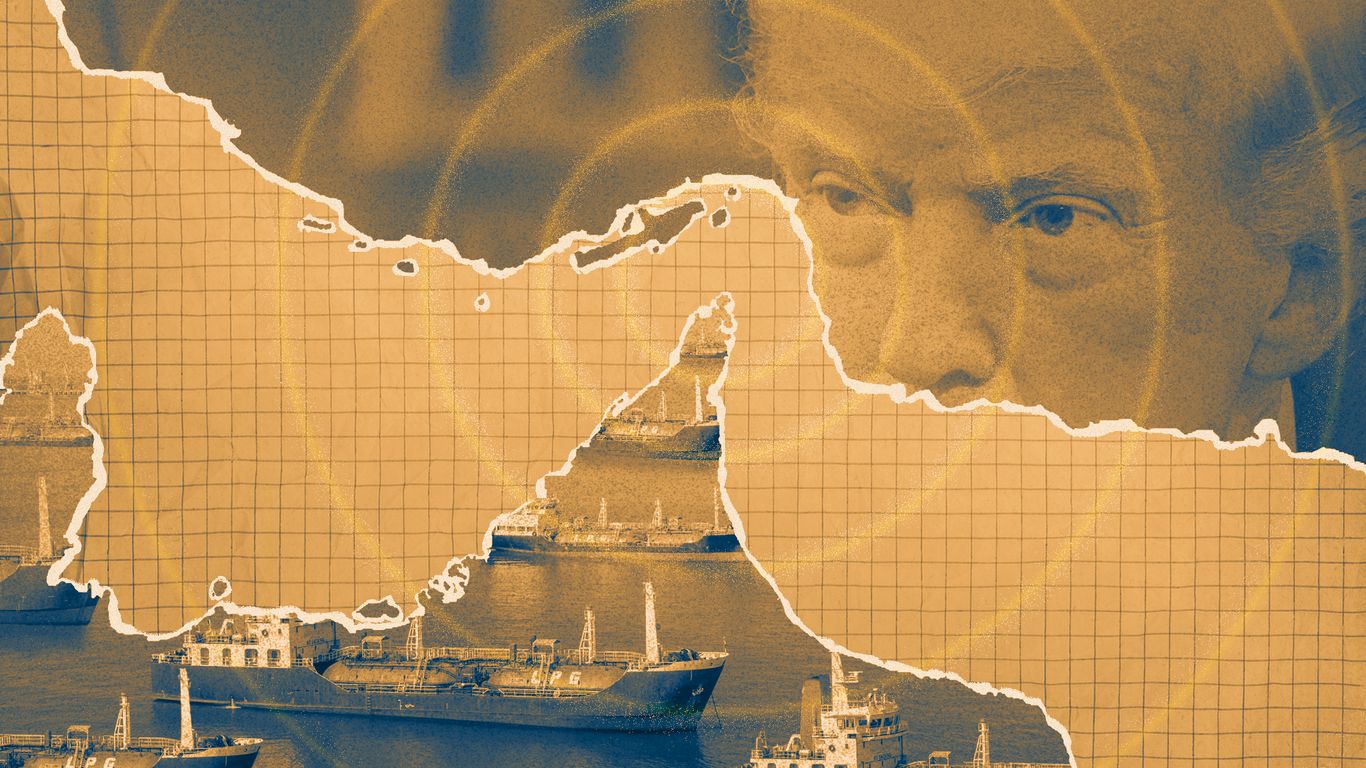
Oil prices fall on US, Iran deal announcement
Crude oil prices fell over 4% to their lowest levels in over three months Sunday after the U.S. and Iran agreed to a ceasefire extension that could lead to the reopening of the Strait of Hormuz.Why it matters: Severe restrictions on oil traffic through the strait since the conflict began in late February have created an unprecedented energy shock that's a drag on the global economy.The oil price spike caused U.S. gasoline prices to soar to their highest levels since 2022, adding to GOP political peril ahead of the midterm elections.The latest: The global benchmark Brent crude is down 3.6% to $84.21 per barrel. It initially fell even more steeply before reversing some of the decline.WTI, the U.S. reference, is down over 4% to $81.38 per barrel.Sunday's decline follows prices that had already slid Friday on reports that an agreement was imminent.The apparent agreement could greatly expand tanker traffic through the narrow waterway that handles about a fifth of the global oil trade. Axios' Barak Ravid has the latest on the agreement. Catch up quick: The memorandum of understanding would mark the biggest diplomatic breakthrough of the war and buy time to settle the hardest questions over Iran's nuclear program.What we're watching: Average U.S. gasoline prices soared to a high of roughly $4.56 per gallon in May, but have retreated in recent weeks and now average $4.07, per AAA.That's still over $1 higher than pre-war levels at a time when affordability is front and center in midterm election battles. But prices will likely recede if crude oil prices — the largest variable in retail pump prices — continue to recede. What's next: The disrupted market will take months to fully untangle, but the apparent deal could enable a major increase in tanker transit.But it's not clear how many ship owners and operators will quickly have confidence to move through the waterway.Plus, even if the strait is fully open, Persian Gulf oil producers that cut production when the main export route was cut off will need time to revive it. Go deeper: Gas prices won't return to pre-war levels anytime soon

How to Watch the U.F.C. 250 Freedom Fights at the White House
Seven bouts will take place in an arena created on the South Lawn for the Ultimate Fighting Championship event, which coincides with President Trump’s 80th birthday.
'Let the oil flow!' Trump announces new 'deal' with Iran
President Donald Trump announced that his administration had reached a "deal" with the Iranian regime that would "reopen" the Strait of Hormuz, a critical global waterway that has been shut down since the early days of the war against Iran. "The Deal with the Islamic Republic of Iran is now complete," Trump wrote on Truth Social. "Congratulations to all! I hereby fully authorize the toll-free opening of the Strait of Hormuz and, simultaneously herewith, authorize the immediate removal of the United States Naval blockade. Ships of the World, start your engines. Let the oil flow!"The deal was announced less than one hour before Trump's "UFC Freedom 250" event at the White House was scheduled to start. The New York Times described the deal as a "cease-fire," which Trump has previously said means "when you're shooting in a more moderate manner.""Iran has not yet officially confirmed the cease-fire agreement, but struck a triumphant tone on the state broadcaster, IRIB. 'The United States was forced to accept an end to the war,' it declared," the NYT reported.
Left-Leaning Media's Perspective
- Skepticism Over the "Deal" Status: Outlets emphasized that while the President announced a "complete" deal, Iranian state media described the situation as the United States being "forced to accept an end to the war." Coverage frequently highlighted that Iran has yet to officially confirm a permanent agreement, with some reports characterizing the current state as a "cease-fire" rather than a final peace treaty.
- Congressional Ratification: Significant attention was paid to calls from Republican Senator James Lankford, who argued that any agreement must be ratified by Congress to have a "lasting effect." This narrative suggests a push for legislative oversight to prevent the deal from being a temporary executive action.
- Economic Pressures and Midterm Politics: Reporting focused on how high gasoline prices—averaging $4.07 per gallon—have created "political peril" for the GOP ahead of the upcoming midterm elections, framing the deal as a necessary move to alleviate domestic affordability concerns.
'Let the oil flow!' Trump announces new 'deal' with Iran
President Donald Trump announced that his administration had reached a "deal" with the Iranian regime that would "reopen" the Strait of Hormuz, a critical global waterway that has been shut down since the early days of the war against Iran. "The Deal with the Islamic Republic of Iran is now complete," Trump wrote on Truth Social. "Congratulations to all! I hereby fully authorize the toll-free opening of the Strait of Hormuz and, simultaneously herewith, authorize the immediate removal of the United States Naval blockade. Ships of the World, start your engines. Let the oil flow!"The deal was announced less than one hour before Trump's "UFC Freedom 250" event at the White House was scheduled to start. The New York Times described the deal as a "cease-fire," which Trump has previously said means "when you're shooting in a more moderate manner.""Iran has not yet officially confirmed the cease-fire agreement, but struck a triumphant tone on the state broadcaster, IRIB. 'The United States was forced to accept an end to the war,' it declared," the NYT reported.
Oil prices fall on US, Iran deal announcement
Crude oil prices fell over 4% to their lowest levels in over three months Sunday after the U.S. and Iran agreed to a ceasefire extension that could lead to the reopening of the Strait of Hormuz.Why it matters: Severe restrictions on oil traffic through the strait since the conflict began in late February have created an unprecedented energy shock that's a drag on the global economy.The oil price spike caused U.S. gasoline prices to soar to their highest levels since 2022, adding to GOP political peril ahead of the midterm elections.The latest: The global benchmark Brent crude is down 3.6% to $84.21 per barrel. It initially fell even more steeply before reversing some of the decline.WTI, the U.S. reference, is down over 4% to $81.38 per barrel.Sunday's decline follows prices that had already slid Friday on reports that an agreement was imminent.The apparent agreement could greatly expand tanker traffic through the narrow waterway that handles about a fifth of the global oil trade. Axios' Barak Ravid has the latest on the agreement. Catch up quick: The memorandum of understanding would mark the biggest diplomatic breakthrough of the war and buy time to settle the hardest questions over Iran's nuclear program.What we're watching: Average U.S. gasoline prices soared to a high of roughly $4.56 per gallon in May, but have retreated in recent weeks and now average $4.07, per AAA.That's still over $1 higher than pre-war levels at a time when affordability is front and center in midterm election battles. But prices will likely recede if crude oil prices — the largest variable in retail pump prices — continue to recede. What's next: The disrupted market will take months to fully untangle, but the apparent deal could enable a major increase in tanker transit.But it's not clear how many ship owners and operators will quickly have confidence to move through the waterway.Plus, even if the strait is fully open, Persian Gulf oil producers that cut production when the main export route was cut off will need time to revive it. Go deeper: Gas prices won't return to pre-war levels anytime soon
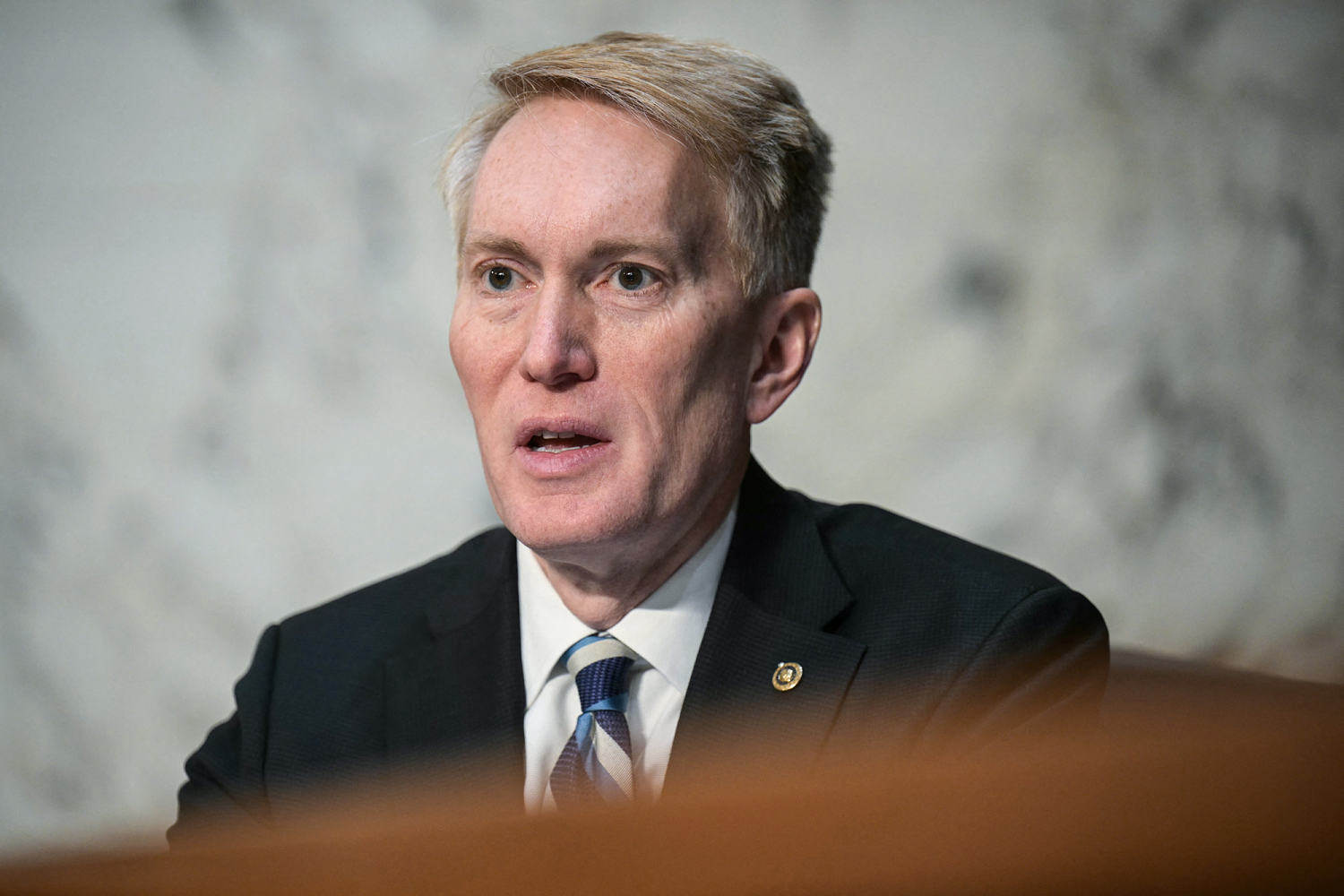
Sen. James Lankford says Congress should ratify any deal Trump makes with Iran
Sen. James Lankford, R-Okla., on Sunday said “it is best” if Congress votes to ratify any potential deal to end the war in Iran, saying that a deal approved by Congress would have a more “lasting effect.”“It is best if it is ratified by Congress; it has a more lasting effect on it,” Lankford told NBC News’ “Meet the Press.”He added that President Donald Trump is seeking to “end Iran’s constant attack of Americans and American assets and American allies in that region,” wh
Right-Leaning Media's Perspective
- A Birthday Diplomatic Victory: Coverage heavily framed the announcement as a historic foreign policy triumph coinciding with President Trump’s 80th birthday. The narrative centered on the President’s ability to secure a "breakthrough" after weeks of active conflict, marking a celebratory milestone for the administration.
- Immediate Economic De-escalation: Reports leaned into the "Let the oil flow!" directive, focusing on the immediate removal of the U.S. naval blockade and the reopening of the Strait of Hormuz. The emphasis was placed on the prompt drop in crude oil prices as a direct result of the President’s intervention.
- Frustration with Israeli Military Action: Outlets highlighted the President’s criticism of an Israeli strike on Beirut, which he suggested was a "meaningless" response that threatened to "blow" the delicate peace negotiations. This framing positioned the President as a stabilizer in a volatile region.
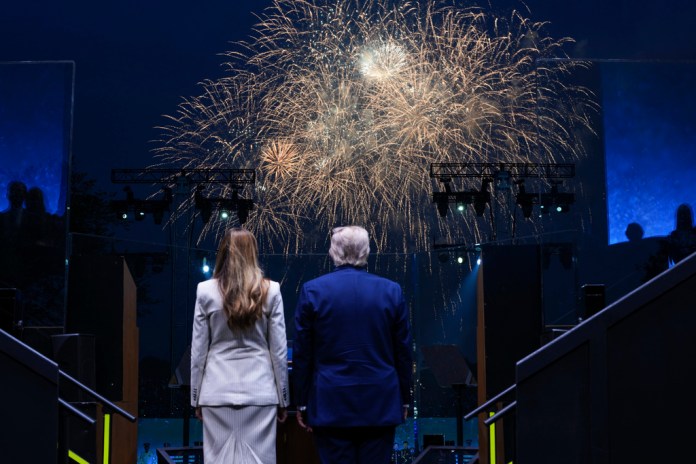
Iran reviews US peace deal as Trump hopes for end to war on 80th birthday
President Donald Trump will mark his 80th birthday Sunday waiting to see whether Iran delivers the diplomatic breakthrough he predicted would come by day’s end. Trump said Saturday that a deal with Tehran could be signed Sunday, raising expectations that his birthday could coincide with a major foreign policy victory after weeks of conflict and […]
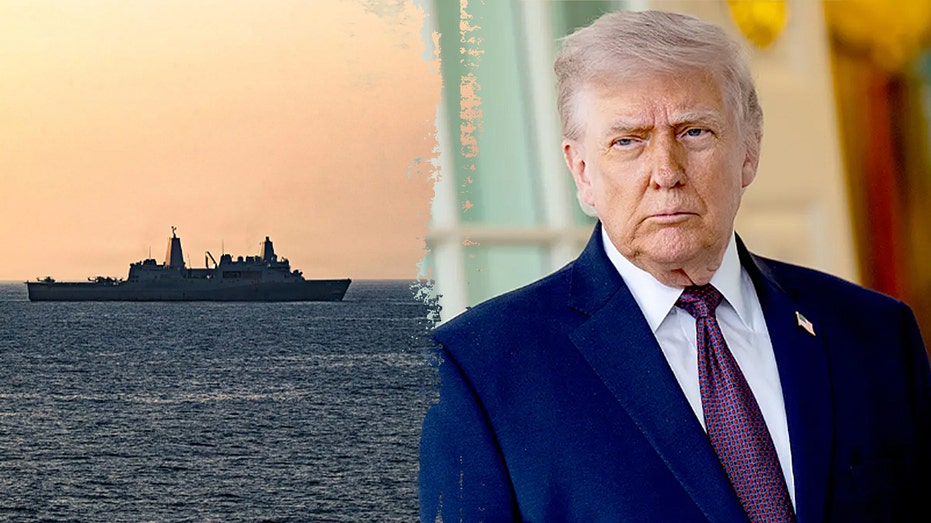
Trump announces peace deal with Iran, declares Strait of Hormuz will reopen: 'Let the oil flow!'
President Trump announces U.S.-Iran peace deal, authorizing the reopening of the Strait of Hormuz and removal of the naval blockade with a signing set for Friday.

JUST IN: “Should Not Have Happened… Let’s Not Blow it!” – Trump Responds After Israel Strikes Beirut Making Trump’s Iran Deal Uncertain (VIDEO)
President Trump has weighed in after Israel's strikes in Beirut threatened to torpedo the peace agreement with Iran that Trump said he hopes to sign today. "Israel has the right to defend itself against threats, but the attack it was responding to was very small and meaningless, nobody was hurt, injured, or killed, and should not disrupt this important process," Trump said. The post JUST IN: “Should Not Have Happened… Let’s Not Blow it!” – Trump Responds After Israel Strikes Beirut Making Trump’s Iran Deal Uncertain (VIDEO) appeared first on The Gateway Pundit.