

Published 6/8/2026, 10:01:13 AM UTC
Monday's Summary
This briefing analyzes the news climate of the previous 24 hours ending June 7, 2026. The media landscape is currently dominated by a rapid escalation of hostilities in the Middle East and President Trump’s high-stakes diplomatic efforts to prevent a full-scale regional war. Reporting across the spectrum focuses on the interplay between Israeli military actions in Lebanon, Iranian missile strikes on Israel, and the Trump administration's attempts to finalize a peace deal with Tehran.
How the coverage differs
The most significant divergence between the two sides lies in the framing of the U.S.-Israeli relationship. Left-leaning outlets are focusing on the power struggle and perceived friction between Trump and Netanyahu, often highlighting expletive-laden calls or public assertions of U.S. dominance over Israeli decision-making. In contrast, right-leaning outlets frame the tension as a pragmatic effort by Trump to manage a volatile situation, focusing more on the specific military movements and the "eye-for-an-eye" logic of the strikes.
Additionally, a major point of divergence exists regarding the "Meet the Press" interview. While consensus reporting acknowledges the interview took place, left-leaning sources are highlighting the President’s claims regarding 2020 voter fraud in California and the contentious nature of the exchange. Right-leaning sources have largely ignored the domestic election integrity comments in favor of the President’s foreign policy statements. While both sides agree that Trump is advising Netanyahu against further retaliation, the Left frames this as a desperate attempt to save a legacy-defining deal, while the Right frames it as a necessary step to stabilize the Middle East.

DEVELOPING: Trump Responds After Iran Launches Strikes Against Israel, Says He’s “Not Happy” About Israel’s Strikes in Beirut and Will Call Benjamin Netanyahu (VIDEO)
President Trump has responded to Iran launching missiles at Northern Israel, calling on both sides to immediately de-escalate and return to peace negotiations. "Israel had its strike and Iran had its strike. The post DEVELOPING: Trump Responds After Iran Launches Strikes Against Israel, Says He’s…
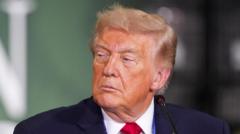
Trump abruptly ends NBC interview after clash over 'rigged election' claim
During the interview, the president was repeatedly challenged on several points by the show's presenter Kristen Welker.

Trump tells The Post ‘things are going well’ after Iran bombs Israel – advises Netanyahu not to hit back
Iran fired at least 10 missiles at Israel on Sunday, hours after the Israeli Defense Forces launched its own attack on a Hezbollah command center in Beirut.
Left-Leaning Media's Perspective
- Pressure on Netanyahu: Left-leaning outlets are highlighting President Trump’s reported "adamant" stance that Israel must not retaliate further against Iran. Coverage emphasizes the President’s assertion that he "calls the shots" in the relationship with Prime Minister Netanyahu, framing the administration’s priority as protecting a potential "fourth quarter" peace deal with Iran.
- The "Quagmire" Narrative: Outlets like NBC News are focusing on the domestic political implications of the conflict, specifically pressing the President on his campaign promise to avoid foreign "forever wars." They are highlighting his insistence that the current engagement in Iran will not become a long-term military entanglement.
- Ceasefire Fragility: There is significant focus on the breakdown of the "on paper" ceasefire between Israel and Hezbollah. Reports suggest that while the Trump administration initially "put the brakes" on Israeli plans to strike Beirut, the subsequent Israeli strike on a Hezbollah command center is being framed as a move that jeopardizes months of U.S.-led negotiations.
Trump on Pressure to End Iran War With Peace Deal
Meet the Press Moderator Kristen Welker joins Sunday TODAY’s Willie Geist to share key takeaways her exclusive interview with President Donald Trump about the war in Iran, its impact on the economy and his claims of voter fraud in California and the 2020 election. Kristen says, “I pressed him on…
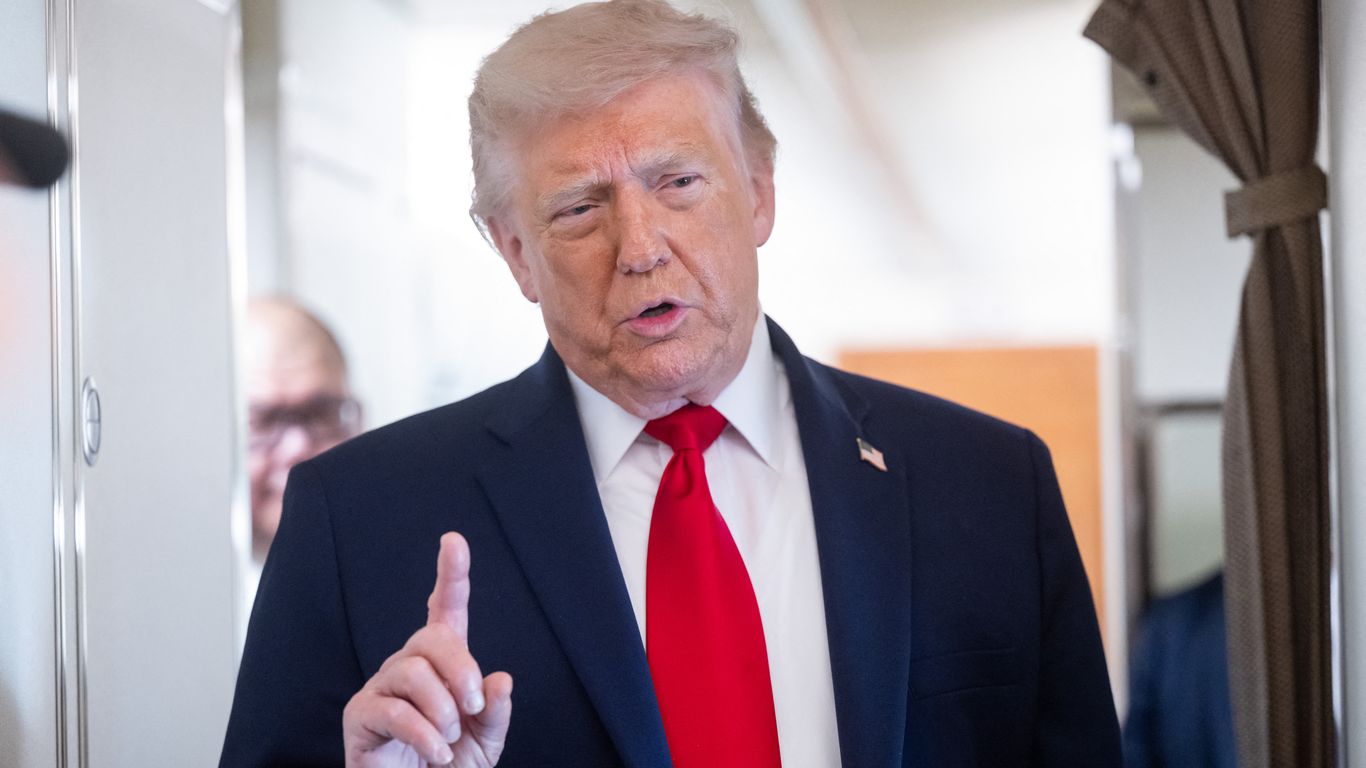
Trump tells Netanyahu not to strike Iran
President Trump told Israeli Prime Minister Benjamin Netanyahu Sunday not to retaliate against Iran's missile attack and allow more time for diplomacy, according to a senior U.S. official and an Israeli source familiar with details of the call.Why it matters: Trump's effort to restrain an Israeli…

Israel strikes Beirut after Hezbollah attack, risking Iran response
Israel struck Beirut's southern suburbs Sunday in retaliation to a Hezbollah missile attack on northern Israel, Israeli officials said.Why it matters: Iran threatened last week to launch a missile attack against Israel if it attacks Beirut. Such a move could unravel U.S.–Iran negotiations and…
Right-Leaning Media's Perspective
- Direct Military Escalation: Right-leaning reporting is providing granular details on the Iranian ballistic missile strikes against Northern Israel and reported retaliatory explosions in key Iranian cities such as Tehran, Tabriz, and Isfahan. The focus is on the "tit-for-tat" nature of the current military exchange.
- Trump’s Frustration with Both Sides: Coverage heavily features the President’s expressed displeasure with the escalation. Outlets are highlighting Trump’s "not happy" reaction to Israel’s strikes in Beirut, alongside his calls for both parties to return to the negotiating table after "both sides have had their strike."
- Immediate De-escalation Efforts: The narrative on the Right emphasizes Trump’s active role as a mediator who is personally intervening with Netanyahu to prevent a broader response. This framing portrays the President as a decisive actor attempting to cool a "boiling" situation through direct communication.
DEVELOPING: Trump Responds After Iran Launches Strikes Against Israel, Says He’s “Not Happy” About Israel’s Strikes in Beirut and Will Call Benjamin Netanyahu (VIDEO)
President Trump has responded to Iran launching missiles at Northern Israel, calling on both sides to immediately de-escalate and return to peace negotiations. "Israel had its strike and Iran had its strike. The post DEVELOPING: Trump Responds After Iran Launches Strikes Against Israel, Says He’s…
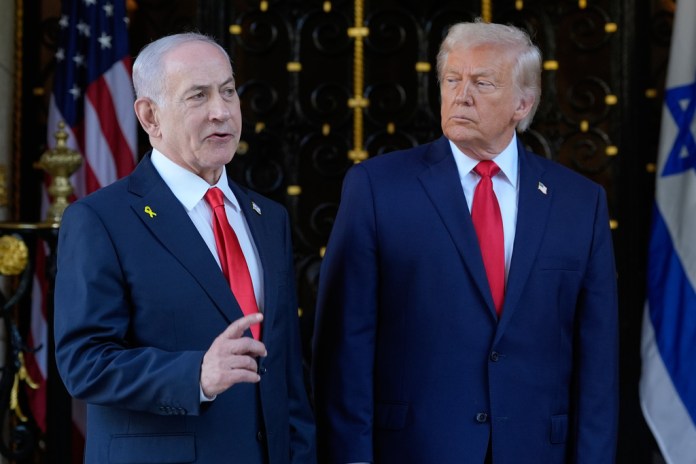
Trump says he will tell Netanyahu not to retaliate against Iran after strikes: Report
President Donald Trump said Sunday he would tell Israeli Prime Minister Benjamin Netanyahu “not to respond” after Iran fired missiles toward Israel in the first direct attack on the Jewish state since an April ceasefire. Tensions in the Middle East escalated Sunday after rocket fire was launched…

DEVELOPING: Israel Confirms Strikes on Iran After Tehran Launches Ballistic Missiles at Israel
The reported explosions in Tehran, Tabriz, and Isfahan suggest the strikes reached several key areas across the country. The post DEVELOPING: Israel Confirms Strikes on Iran After Tehran Launches Ballistic Missiles at Israel appeared first on The Gateway Pundit.