

Published 5/14/2026, 10:00:18 AM UTC
Thursday's Summary
This briefing analyzes the news climate of the previous 24 hours ending May 13, 2026, as President Donald Trump arrives in Beijing for a high-stakes summit with Xi Jinping. With the conflict in Iran casting a shadow over international diplomacy, the media landscape is split between evaluating American strategic strength and the potential for a diplomatic reset between the world's two largest economies.
How the coverage differs
The most striking divergence involves the assessment of diplomatic leverage. While right-leaning outlets report that Trump enters the summit with the upper hand due to the erosion of Chinese monopolies, high-consensus reporting from Bloomberg suggests the opposite—that Xi Jinping holds the leverage because the Iran war acts as a major distraction, pulling U.S. attention away from core issues like trade and Taiwan.
Additionally, while both sides noted the presence of tech billionaires, their roles were framed differently. Left-leaning outlets viewed the CEOs as essential tools for "mending" economic ties and opening markets, whereas right-leaning outlets framed their presence—particularly Jensen Huang’s—as a signal of technological "strength" and a warning to China regarding American AI capabilities. Finally, while the Left focused on the "combative" history of the relationship, the Right focused on external spoilers, specifically Iran’s attempts to influence the outcome of the talks before they even began.
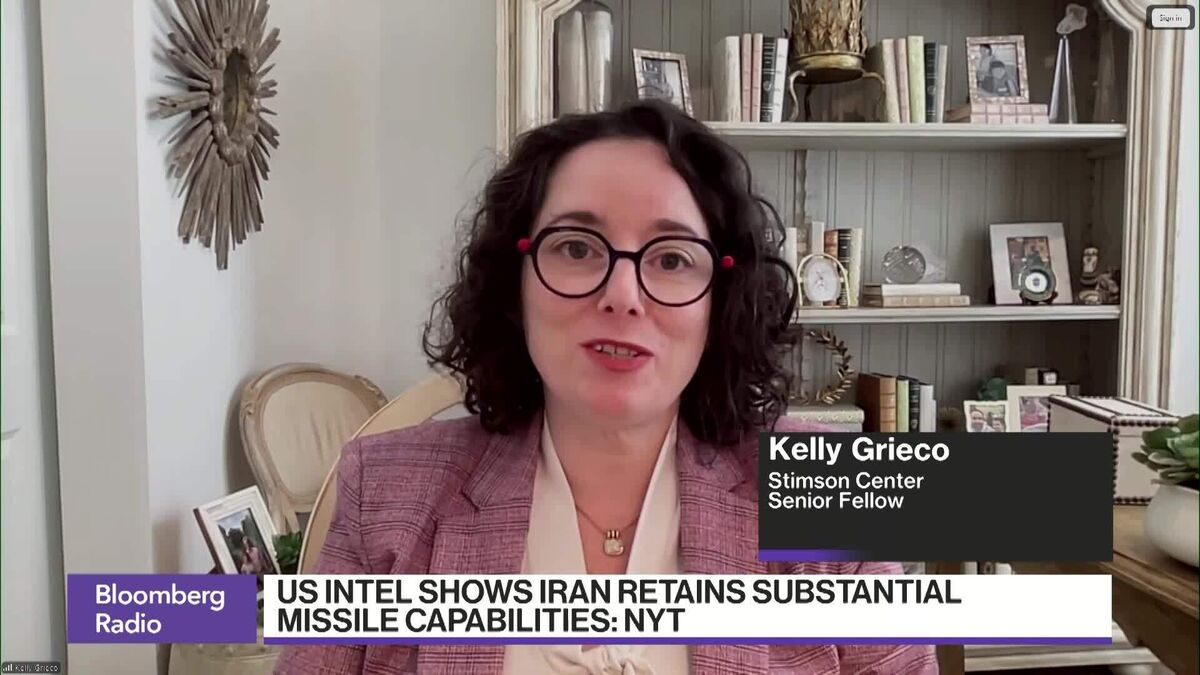
Trump Lands in China With Iran War in Limbo
Kelly Grieco, Senior Fellow with the Reimagining US Grand Strategy Program at the Stimson Center joins Balance of Power to discuss the recent news reported that Iran may still have intact missile capabilities. Iran's missile capabilities brings more light to the Trump, Xi Summit as the conflict…
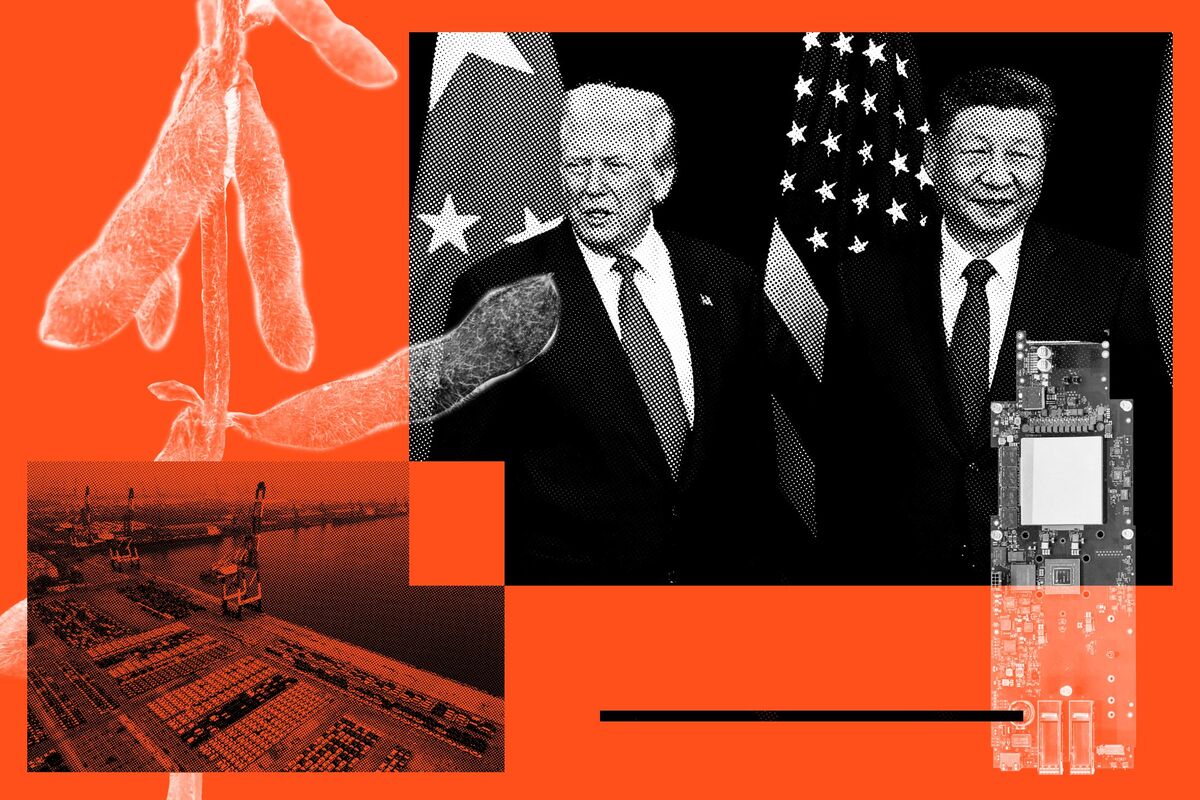
At China Summit, Trump Has CEOs, But Xi Has Leverage
The Iran war pulls US attention away from the key agenda of trade, tech and Taiwan.
What to know as Trump visits Xi in China
Trump has landed in Beijing for the first visit by a US leader since his own in 2017.
Left-Leaning Media's Perspective
- Geopolitical Vulnerability: Narrative threads from left-leaning outlets emphasize that the U.S. presidency is entering these talks from a position of "weakened" prestige due to the ongoing war in Iran. The focus is on whether Trump can successfully navigate "combative" relations to secure deals for American businesses.
- Corporate Diplomacy: Significant attention is paid to the inclusion of major tech CEOs, specifically Tim Cook and Elon Musk, framing the trip as a critical push to force China to "open up" its markets to American technology and infrastructure.
- Historical Context: Reports frequently draw parallels to Nixon’s 1972 visit, framing the current "China Gambit" as a pivotal moment that could either stabilize or further fracture long-term relations.
Trump arrives in China for high-stakes summit
President Trump arrived in Beijing for a critical summit where he said he will push for China's leader to "open up" China to American businesses. NBC Nightly News anchor Tom Llamas reports.
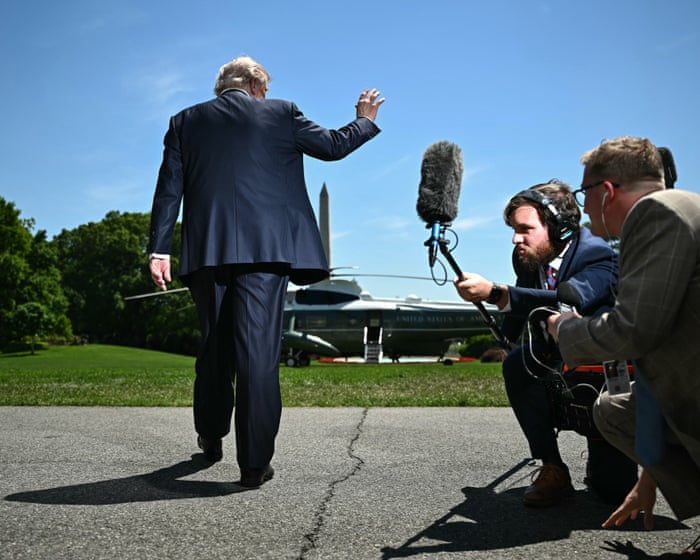
Trump due in China for high-stakes summit with Xi Jinping, as Iran war looms over talks
The US president will arrive with tech leaders including Elon Musk and Tim Cook, with trade, AI and Taiwan all set to be discussedDonald Trump is due to arrive in Beijing on Wednesday evening, the first visit to China by a US president in nearly a decade, as he seeks to mend power and prestige…

The China Gambit: From Nixon to Trump
President Trump’s visit to Beijing comes as relations with China have became more combative.
Right-Leaning Media's Perspective
- Strategic Leverage: Right-leaning coverage asserts that the U.S. "holds all the cards" in this summit. These reports argue that current administration policies have already begun to erode China's dominance in pharmaceutical production and rare earth mineral monopolies.
- The AI Power Play: Outlets highlighted the specific presence of Nvidia CEO Jensen Huang and xAI’s Elon Musk aboard Air Force One during a pit stop in Alaska. This is framed as a deliberate display of American AI superiority intended to project strength before landing in Beijing.
- Iranian Interference: There is a distinct focus on reports that Iran is actively attempting to "woo" China and disrupt the summit, specifically citing reports of "trapped ships" and Iranian diplomatic maneuvers designed to peel Beijing away from U.S. interests.
REPORT: Iran Tries To Woo China Ahead Of Xi’s High-Stakes Meeting With Trump
The company official confirmed they have multiple trapped ships
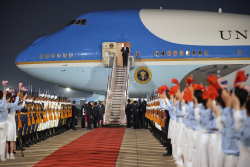
At China Summit, Trump Holds All the Cards Against Xi
China's strongest cards remain its rare earth and pharmaceutical monopolies. But Trump's policies are already beginning to erode Beijing's dominance.

Nvidia’s Jensen Huang joins Trump on Air Force One during Alaska pit stop for China trip
Nvidia CEO Jensen Huang has joined President Donald Trump and xAI founder Elon Musk aboard Air Force One for the administration’s trip to China, according to the White House press pool. Huang and Musk are two of the leading artificial intelligence innovators in the United States, with their…