

Published 4/24/2026, 10:03:19 AM UTC
Friday's Summary
This briefing analyzes the news climate of the previous 24 hours, ending April 23, 2026. As tensions escalate in the Middle East and domestic political shifts continue to ripple through Washington, today’s report tracks the diverging narratives surrounding maritime security, executive military orders, and administrative turnover.
How the coverage differs
The most striking divergence appears in the reporting on the Strait of Hormuz. While both sides acknowledge the crisis, the Left-leaning narrative focuses on the logistical and temporal difficulties of mine-clearing—noting a Pentagon estimate of six months—to cast doubt on the President’s claim of "total control." Conversely, Right-leaning outlets focus on the President’s "shoot and kill" directive as a tool of deterrence, framing the situation through the lens of military strength rather than logistical hurdles.
A significant point of consensus with vastly different framing involves the removal of Navy Secretary John Phelan. Both sides reported on the chaotic nature of his exit—including his refusal to believe he was fired until meeting with the President personally. However, Left-leaning outlets framed the event as a "purge" of an official who lacked military experience and was ill-equipped for the "Byzantine" bureaucracy of the Pentagon. In contrast, the Right-leaning framing (and the President's own stated reasoning) centers on a policy dispute over the speed of shipbuilding, specifically the President’s desire to pivot toward a modernized "Golden Fleet" that Phelan was allegedly unable to deliver quickly enough.

Iran parades missiles as Trump extends ceasefire amid war tensions
Crowds waving Iranian flags filled Tehran’s streets as ballistic missiles were put on display in a stark show of force, raising tensions ahead of a fragile cease-fire deadline. President Trump announced plans to extend the truce for more talks, but uncertainty looms as Iran and Israel have yet to…
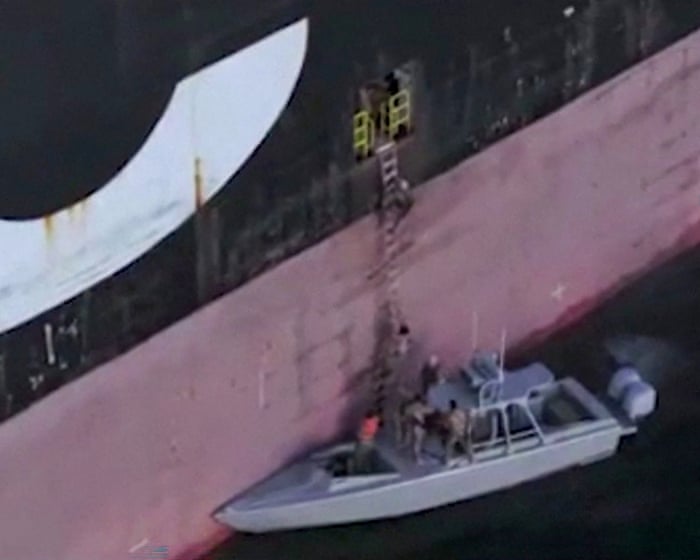
Trump claims US has total control over strait of Hormuz after Iran seizes two container ships
US president says Tehran hobbled by infighting as Pentagon reportedly briefs mine clearance may take six monthsMiddle East crisis – live updatesDonald Trump has again said that the US has “total control over the strait of Hormuz”, adding that Iran’s leadership was so hobbled by infighting that it…
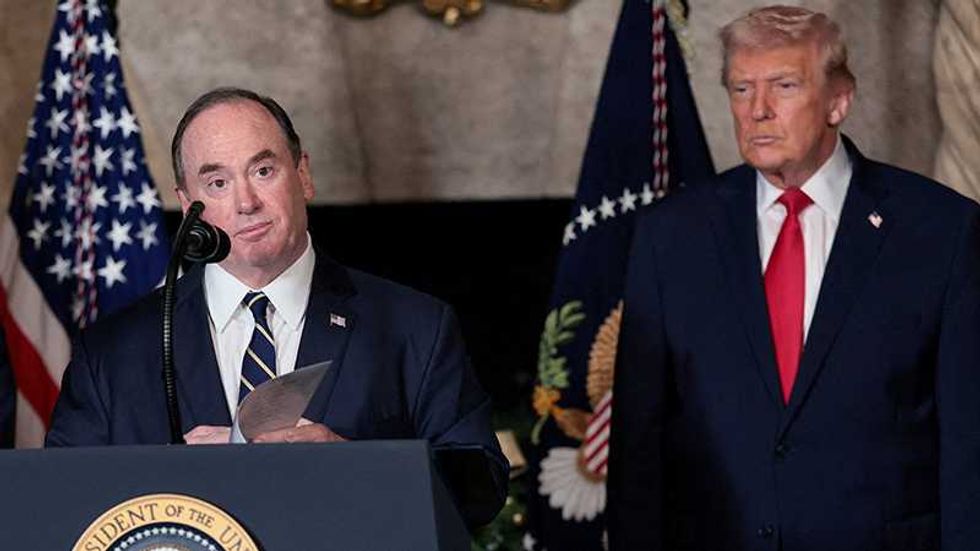
Navy secretary showed up at White House because he didn’t believe Trump fired him: report
Late Wednesday evening, the Secretary of the Navy was booted as part of an ongoing purge of the military by President Donald Trump and his administration. According to one detail in the CNN report, Navy Secretary John Phelan didn't believe Defense Secretary Pete Hegseth when he said he was being…
Left-Leaning Media's Perspective
- Skepticism of "Total Control" Rhetoric: Outlets emphasized the disconnect between President Trump’s claims of having "total control" over the Strait of Hormuz and the tactical reality on the ground, specifically the recent seizure of two container ships by Iranian commandos and reports that mine clearance could take up to six months.
- Iranian Strategic Patience: Narrative focus shifted to Iran’s perceived restraint, suggesting the Tehran leadership is adopting a "patient" posture to navigate the standoff while the U.S. administration grapples with internal disagreements over military timelines.
- Domestic Redistricting Successes: Coverage highlighted Democratic gains in the "redistricting war," framing the current electoral map landscape as a miscalculation by the Trump administration that has instead energized Democratic voter turnout.
Trump claims US has total control over strait of Hormuz after Iran seizes two container ships
US president says Tehran hobbled by infighting as Pentagon reportedly briefs mine clearance may take six monthsMiddle East crisis – live updatesDonald Trump has again said that the US has “total control over the strait of Hormuz”, adding that Iran’s leadership was so hobbled by infighting that it…

Trump is facing an increasingly patient Iran
Trump is facing an increasingly patient Iran as the standoff in the Strait of Hormuz continues
Trump Started A Redistricting War. Democrats Are Winning It.
The president and his advisers underestimated Democratic voter anger, leading to Republican regrets.
Right-Leaning Media's Perspective
- Aggressive Maritime Rules of Engagement: Reporting centered on President Trump’s "shoot and kill" order directed at Iranian mine-laying vessels. This move is framed as a decisive step to protect global trade and maintain the blockade, despite the potential risks to the standing ceasefire.
- Leadership Vacuum in Tehran: Outlets highlighted the President’s remarks regarding the lack of clarity on who is currently leading Iran. Following several high-profile assassinations, the narrative suggests a regime in disarray, struggling to maintain a cohesive command structure.
- Iranian Military Defiance: Coverage featured the display of ballistic missiles in the streets of Tehran, contrasting these "shows of force" with Trump’s decision to extend the ceasefire for further negotiations, highlighting the fragile nature of the current truce.
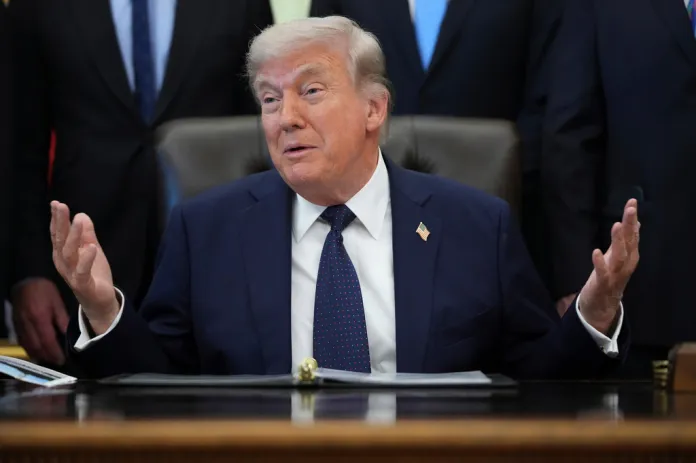
Trump: US doesn’t know who ‘the leader is in Iran’
President Donald Trump acknowledged on Thursday that his administration does not know who the leader of Iran is after several senior officials have been assassinated during the war. “We don’t know who the leader is in Iran because, remember, regime change,” Trump said in the Oval Office. Trump’s…

Trump orders Navy to ‘shoot and kill’ Iran mine-laying boats in Strait of Hormuz
President Trump claimed he ordered the US Navy to ‘shoot and kill’ Iran’s mine-laying vessels attempting to obstruct trade through the Strait of Hormuz — in another apparent blow to the recently extended cease-fire between Washington and Tehran.
Iran parades missiles as Trump extends ceasefire amid war tensions
Crowds waving Iranian flags filled Tehran’s streets as ballistic missiles were put on display in a stark show of force, raising tensions ahead of a fragile cease-fire deadline. President Trump announced plans to extend the truce for more talks, but uncertainty looms as Iran and Israel have yet to…