

Published 4/17/2026, 1:11:53 PM UTC
Friday's Summary
This briefing analyzes the news climate of the previous 24 hours, ending April 16, 2026. Today’s landscape is dominated by the announcement of a temporary ceasefire in the Middle East and a high-profile rhetorical clash between the White House and the Vatican. While the administration celebrates a diplomatic breakthrough, media coverage remains sharply divided over the sustainability of the deal and the President’s increasingly adversarial relationship with global religious leadership.
How the coverage differs
The primary point of divergence lies in the framing of the Israel-Lebanon ceasefire. Right-leaning outlets present the event as a definitive historical milestone mediated by a proactive State Department, emphasizing the novelty of the diplomatic meeting in Washington. Conversely, left-leaning outlets frame the ceasefire as a fragile pause that ignores the complexities of non-state actors like Hezbollah and the humanitarian crisis in southern Lebanon. While the Right celebrates the "negotiated" nature of the truce, the Left highlights the "intermittent shelling" reported by the Lebanese army as evidence of the deal's precariousness.
There is also a notable difference in how the conflict with the Vatican is handled. Consensus reporting acknowledges the friction, but right-leaning media focuses on the President’s "wild rants" and defensive posture as a matter of political theater and policy disagreement. Left-leaning and high-consensus opinion pieces frame the conflict as the President "meeting his match," suggesting that the Pope’s moral authority poses a unique challenge to the administration’s rhetoric. Finally, while both sides touched on the ceasefire, the legal setback regarding the 90,000-square-foot White House ballroom construction was primarily a focus of consensus and right-leaning news, appearing as a secondary domestic distraction to the international headlines.
Israel starts a tense ceasefire in Lebanon. And, Trump nominates a new CDC director.
A 10-day ceasefire to pause fighting between Israel and Hezb
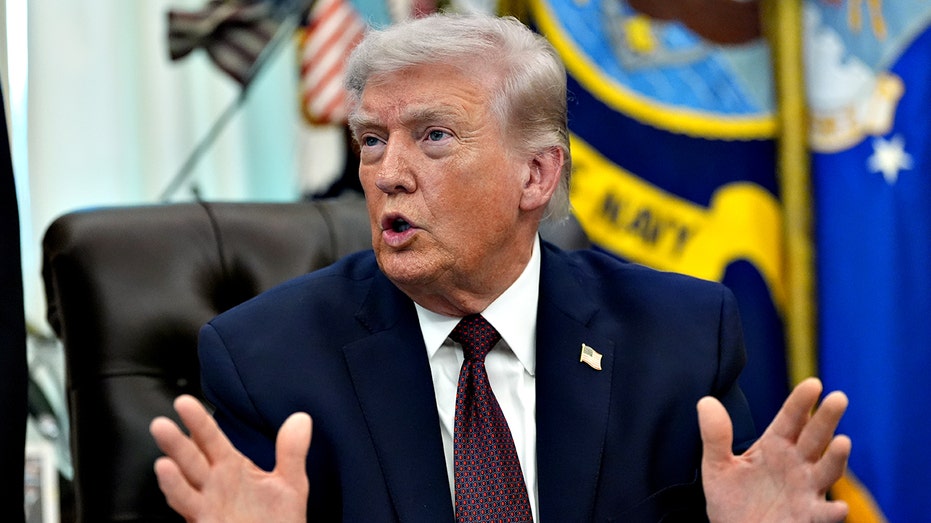
Judge orders Trump to halt White House ballroom construction, escalating legal feud
A U.S. judge blocked Trump from proceeding with above-ground construction of his 90,000-square-foot White House ballroom, in a near-term blow to the administration's plans.
Opinion | Trump Meets His Match in Pope Leo
As Bishop Sheen said to Milton Berle, the vicar of Rome has better writers and a better sponsor.
Left-Leaning Media's Perspective
- Skepticism Over Ceasefire Stability: Outlets are questioning the long-term viability of the 10-day Israel-Lebanon truce, noting that the deal apparently excludes Hezbollah. Reports emphasize that despite the halt in formal hostilities, evacuation orders in southern Lebanon remain a concern, with some commentators characterizing the military strategy as a campaign of displacement.
- Administration Transparency and Foreign Influence: There is significant focus on claims that the Trump administration is more communicative with Israeli Prime Minister Benjamin Netanyahu than with the U.S. Congress. Specific attention is being paid to reports that Vice President JD Vance provides daily, detailed updates to the Israeli government regarding the ongoing conflict with Iran.
- Critique of Presidential Rhetoric: Coverage has highlighted the President’s Truth Social posts, particularly his claim to have "solved 9 wars." Narrative focus remains on the perceived "victory lap" nature of the announcement before a lasting peace has been secured.
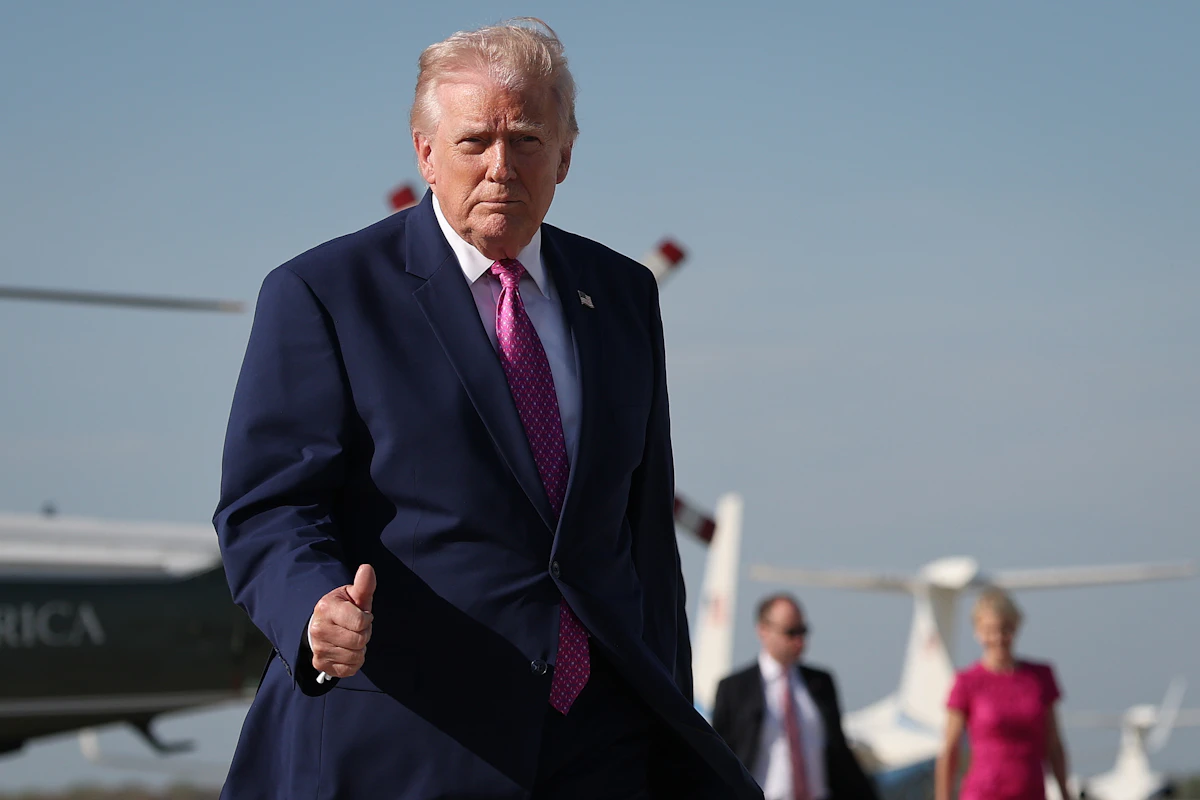
Trump Announces Ceasefire in Israel-Lebanon War He Started
President Trump is claiming that he has negotiated a ceasefire between Lebanon and Israel, posting on Truth Social Thursday that the two nations have agreed to suspend hostilities for 10 days beginning at 5 p.m. E.T.“On Tuesday, the two Countries met for the first time in 34 years here in…
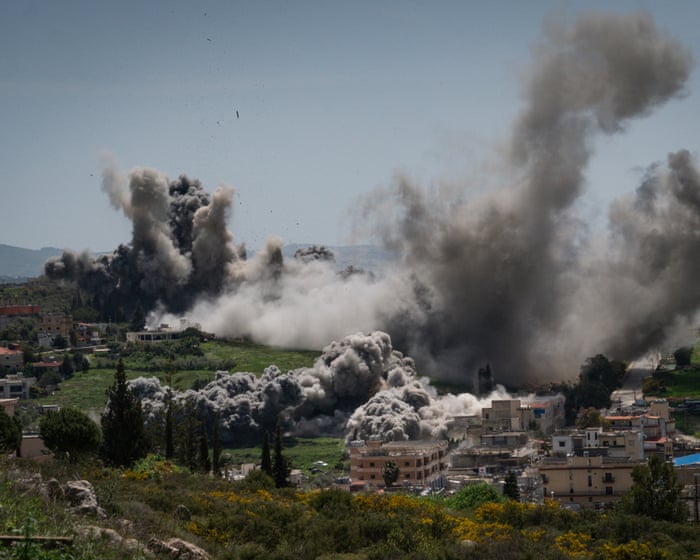
First Thing: Trump announces 10-day ceasefire in Lebanon after ‘excellent conversations’
Halt to fighting will be followed by first Israeli-Lebanese summit in decades. Plus, why are there so many false claims that famous lines in cinema were improvised?Good morning.Donald Trump has announced a 10-day ceasefire in Lebanon, to be followed by a meeting between Israeli and Lebanese…
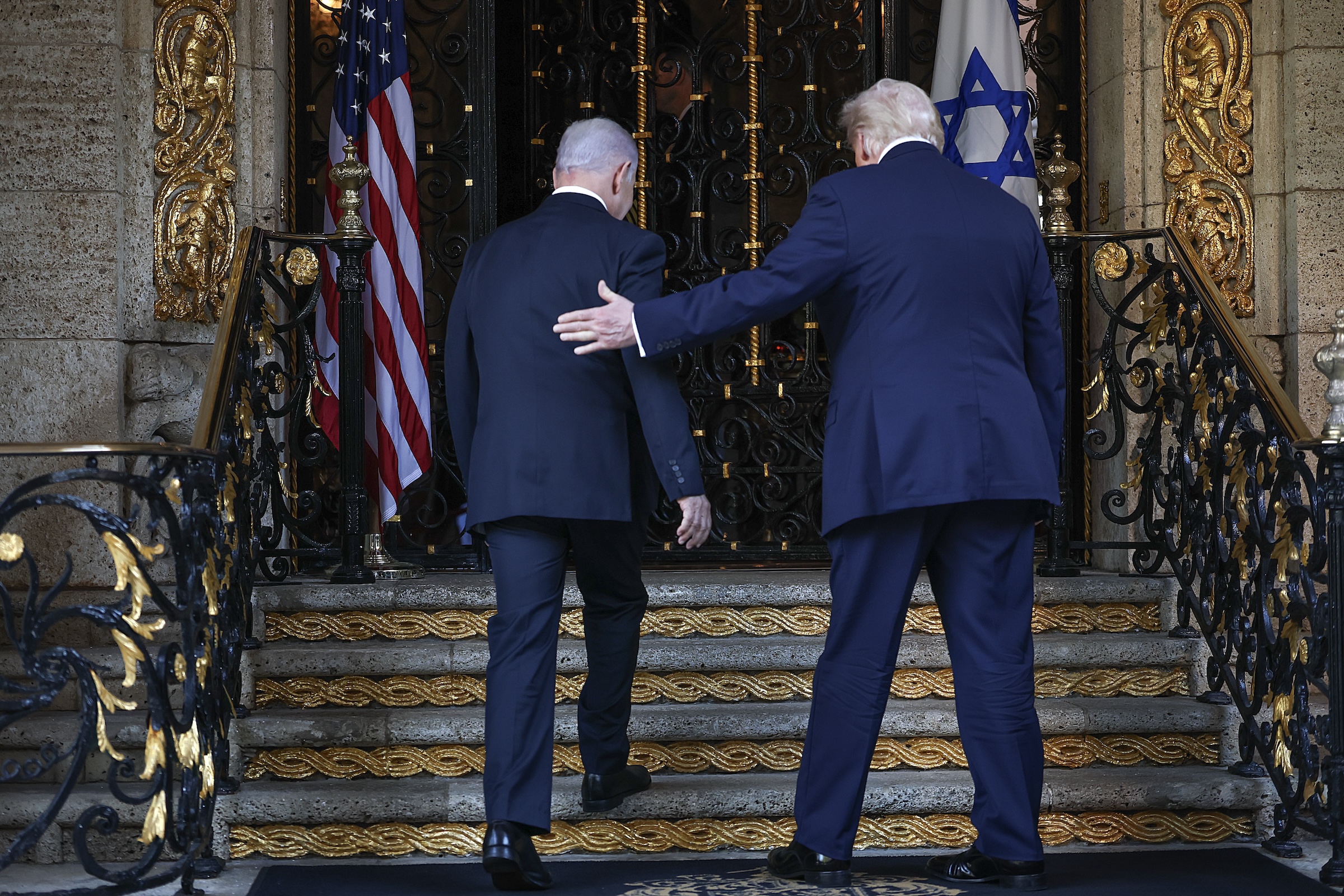
Trump Reports More to Netanyahu Than to the US on Iran War, Lawmaker Says
Netanyahu said that JD Vance updated him on Sunday “in detail, as this administration does every day.”
Right-Leaning Media's Perspective
- Diplomatic Breakthroughs: Outlets are framing the 10-day ceasefire as a major win for the administration’s "Peace Through Strength" doctrine. The focus is on the roles of Secretary of State Marco Rubio and Vice President JD Vance in facilitating the first direct talks between Israel and Lebanon in over three decades.
- The Feud with Pope Leo XIV: Significant coverage is dedicated to the escalating war of words between the President and the Vatican. Following the Pope’s comments regarding "tyrants" ravaging the world, the narrative focuses on the President’s counter-assertions and his willingness to bypass traditional diplomatic channels to secure a deal.
- Direct Intervention in Pakistan: Reports are highlighting the President’s suggestion that he may personally fly to Pakistan to finalize a peace agreement concerning the Iran war, signaling an aggressive, hands-on approach to regional stability.

Pope Leo says world is being ‘ravaged’ by ‘tyrants’ after feud with Trump
Pope Leo XIV warned that the world is being “ravaged by tyrants” after engaging this week in a feud with President Donald Trump over the war in Iran. “The world is being ravaged by a handful of tyrants, yet it is held together by a multitude of supportive brothers and sisters,” Leo said in a…

Trump wildly rants about Pope Leo amid Iran war feud and teases he'll fly to Pakistan HIMSELF to get a deal done
President Donald Trump told reporters at the White House that he might personally go to Pakistan himself to seal the deal if a peace agreement is signed.

Israel, Lebanon agree to 10-day ceasefire after negotiations, Trump says
President Donald Trump announced that the leaders of Israel and Lebanon agreed to a ten-day ceasefire Thursday after Secretary of State Marco Rubio mediated negotiations between the…