

Published 4/11/2026, 3:04:57 PM UTC
Wednesday's Summary
This daily briefing analyzes the news climate of the previous 24 hours, concluding on April 7, 2026, focusing on key political developments and their reception across the media spectrum.
How the coverage differs
The previous 24 hours saw significant reporting convergence on the escalating situation in Iran, particularly President Trump's established deadline and the subsequent announcement of a ceasefire. However, the framing and emphasis diverged considerably between left and right-leaning outlets. Left-leaning publications heavily scrutinized the administration's narrative surrounding the Iran conflict, pointing to specific military setbacks, the war's duration exceeding initial projections, and allegations of misleading information from Defense Secretary Hegseth to the President. These outlets also explicitly linked President Trump's sudden push for an end to the conflict to domestic political concerns over the oil and gas crisis affecting upcoming elections, and quoted his statement threatening to destroy a "whole civilization."
In contrast, right-leaning outlets did not engage with criticisms regarding the war's progress or the accuracy of official statements. Instead, they focused on broader strategic questions about escalating the conflict and prominently featured arguments from legal scholars refuting claims that President Trump's statements constituted war crimes. While the fact of the ceasefire and its immediate impact on oil prices (which plummeted) were high-consensus stories reported across the media spectrum, the underlying motivations for the ceasefire and preceding governmental transparency issues were areas of distinct divergence in media coverage. Separately, the election of Republican Clay Fuller in Georgia, widening the party's House majority, was reported as a factual event by both sides without notable framing differences.

Trump tells Bret Baier 8 PM deadline ‘is happening’ or Iran faces attack ‘like they have not seen’
Fox News host Bret Baier said President Donald Trump told him directly that the 8 p.m. Eastern deadline for Iran “is happening,” warning the U.S. is prepared…

Oil prices plummet after Trump announces ceasefire
Oil prices fell well below $100 after President Trump announced a ceasefire in the Iran War on Tuesday evening. The global pricing benchmark Brent crude dropped from…
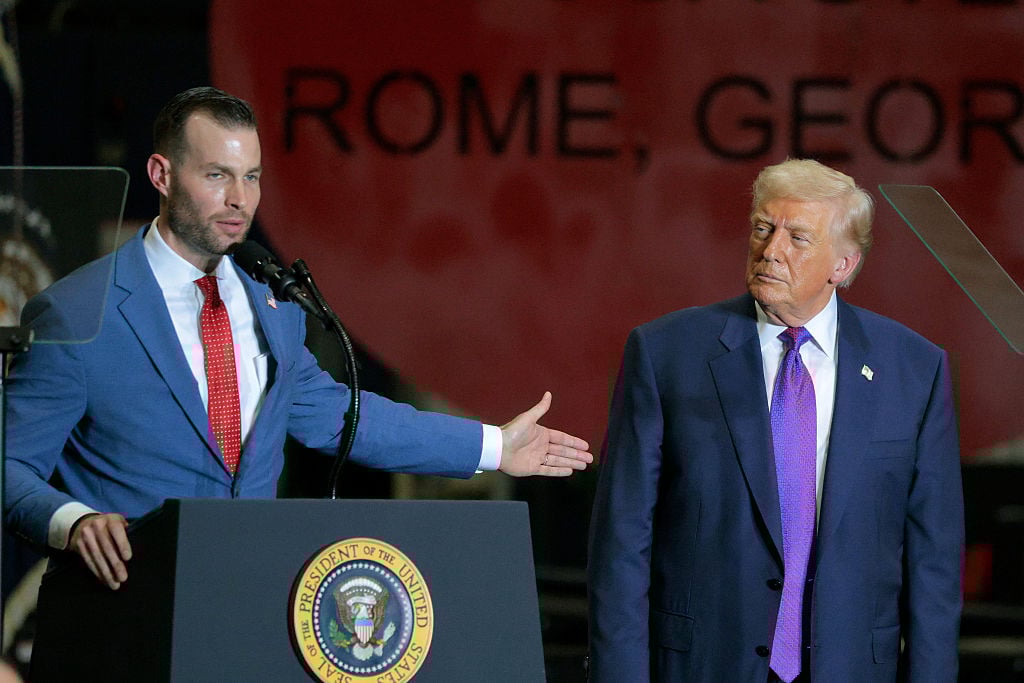
Republican Clay Fuller Wins Election to Replace Marjorie Taylor Greene in Georgia
Fuller's win widens the Republican majority in the House as Democrats eye a "blue wave" in November.
Left-Leaning Media's Perspective
- Iran War Narrative Scrutiny: Concerns were widely reported regarding the Trump administration's assessment of the Iran conflict, with outlets highlighting U.S. aircraft losses (F-15, A-10) and claims that Defense Secretary Pete Hegseth provided misleading information about the conflict's success and duration.
- Trump's Shifting Stance and Ultimatum: Coverage emphasized President Trump's renewed interest in ending the war, which some outlets suggested was driven by fears that the oil and gas crisis could negatively impact Republicans in the November elections. This culminated in an 8 p.m. Tuesday deadline for Iran to reopen the Strait of Hormuz, with Trump threatening "total annihilation" if ignored.
- Ceasefire Developments: News outlets tracked Pakistan's proposal for a two-week ceasefire in exchange for opening the Strait of Hormuz, followed by President Trump's announcement that he had agreed "to suspend the bombing and attack of Iran for a period of two weeks" under the specified condition.

Pete Hegseth Is Misleading Trump and Us About Iran War
Defense Secretary Pete Hegseth’s relentless claims of an unqualified success in Iran has only put American defenses in jeopardy.The weekend rescue of a downed F-15 crew member stands as proof that America does not have “complete control of Iranian skies,” despite what Hegseth pledged last month.…
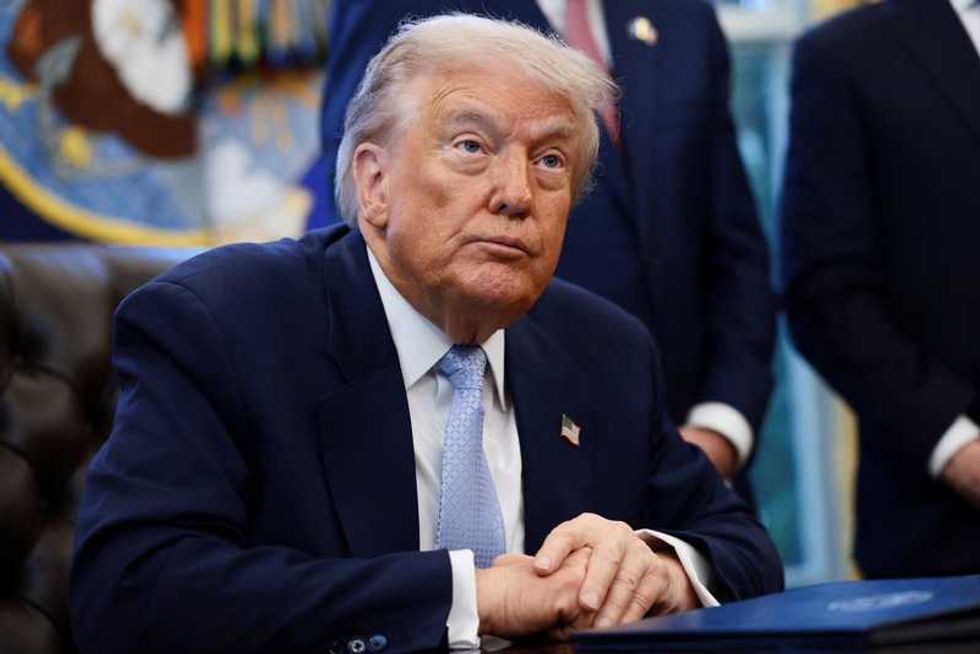
Trump vows response after Pakistan negotiates Iran ceasefire ahead of his deadline
President Donald Trump is aware of a Pakistani proposal for a 2-week ceasefire in Iran in exchange for opening the Strait of Hormuz."Diplomatic efforts for peaceful settlement of the ongoing war in the Middle East are progressing steadily, strongly and powerfully with the potential to lead to…
Special report: Trump announces two-week ceasefire in Iran after threatening massive attacks
President Trump announced he has agreed "to suspend the bombing and attack of Iran for a period of two weeks” on the condition that Iran re-open the Strait of Hormuz. NBC News' Tom Llamas, Gabe Gutierrez and Courtney Kube report.
Right-Leaning Media's Perspective
- Debate on War Escalation: Right-leaning outlets discussed the strategic implications of a potential "massive escalation" in Iran, questioning its public support.
- Defense Against War Crimes Claims: Reporting featured arguments from legal scholars challenging the assertion that President Trump's threats against Iran, including targeting power plants and bridges, would amount to war crimes.
- Presidential Interactions and Discourse: Coverage included details of a press conference where a reporter questioned President Trump about the divine alignment in the war with Iran.
The 'Fog of Trump' and What Comes Next in Iran
Will a massive escalation of the Iran war, as Trump threatened, persuade more people to support it? That's a risky bet, to say the least.
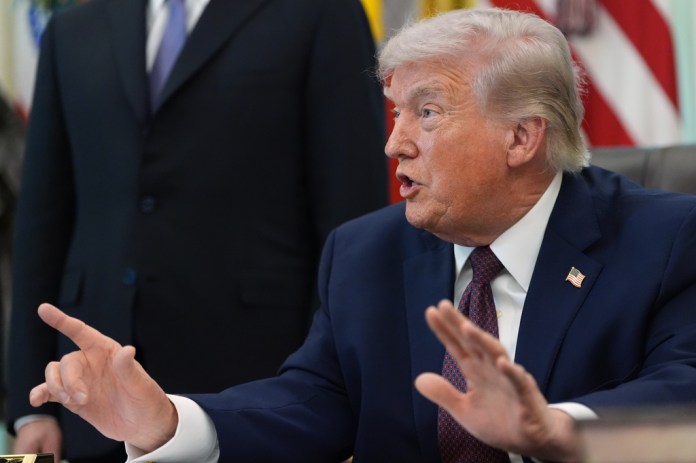
No, Trump is not committing war crimes in Iran
One hundred legal scholars signed a letter arguing that President Donald Trump’s threat to target Iranian power plants and bridges could amount to war crimes if carried out. Calling “The attack was a clear violation of the United Nations Charter,” the scholars declared. “The conduct of the war,…

Reporter asks Trump if God is on America’s side in Iran
A reporter asked President Donald Trump if God is on America’s side in the war with Iran during a contentious presser on Monday. Trump shared a series…