

Published 3/26/2026, 5:13:50 AM UTC
Thursday's Summary
The ongoing situation in Iran dominated headlines, particularly concerning the war's objectives, its economic repercussions on global oil prices, and the strategic challenges faced by the Trump administration.
How the coverage differs
Both sides heavily reported on the ongoing war in Iran and its various ramifications, particularly the critical impact on global oil prices due to developments in the Strait of Hormuz. However, their primary angles and internal narratives diverged significantly. Left-leaning outlets focused on what they characterized as the Trump administration's lack of a clear strategy, portraying the U.S. as "trapped" in a blunder that has only elevated oil prices and damaged American security interests. They highlighted Iran's effective use of asymmetric warfare and questioned the war's ultimate goals, linking Israel's specific objectives to the conflict's origins and critiquing the current administration's approach.
Conversely, right-leaning outlets dedicated significant attention to internal administration dynamics, specifically the claims of a former official, Joe Kent, who stated he was prevented from voicing concerns to President Trump about the war. The subsequent news of an FBI investigation into Kent, reported by these outlets, could be interpreted in various ways, from suggesting issues with his credibility to simply detailing the unfolding story. These outlets also emphasized President Trump's strong rhetoric, including threats to escalate action against Iran and calls for international allies to share the burden of securing the Strait of Hormuz, framing these as decisive actions rather than a lack of strategy. While the fact of the war and its economic consequences were undisputed across the spectrum, the motivations, effectiveness, and future outlook of the U.S. strategy were framed in markedly different lights.
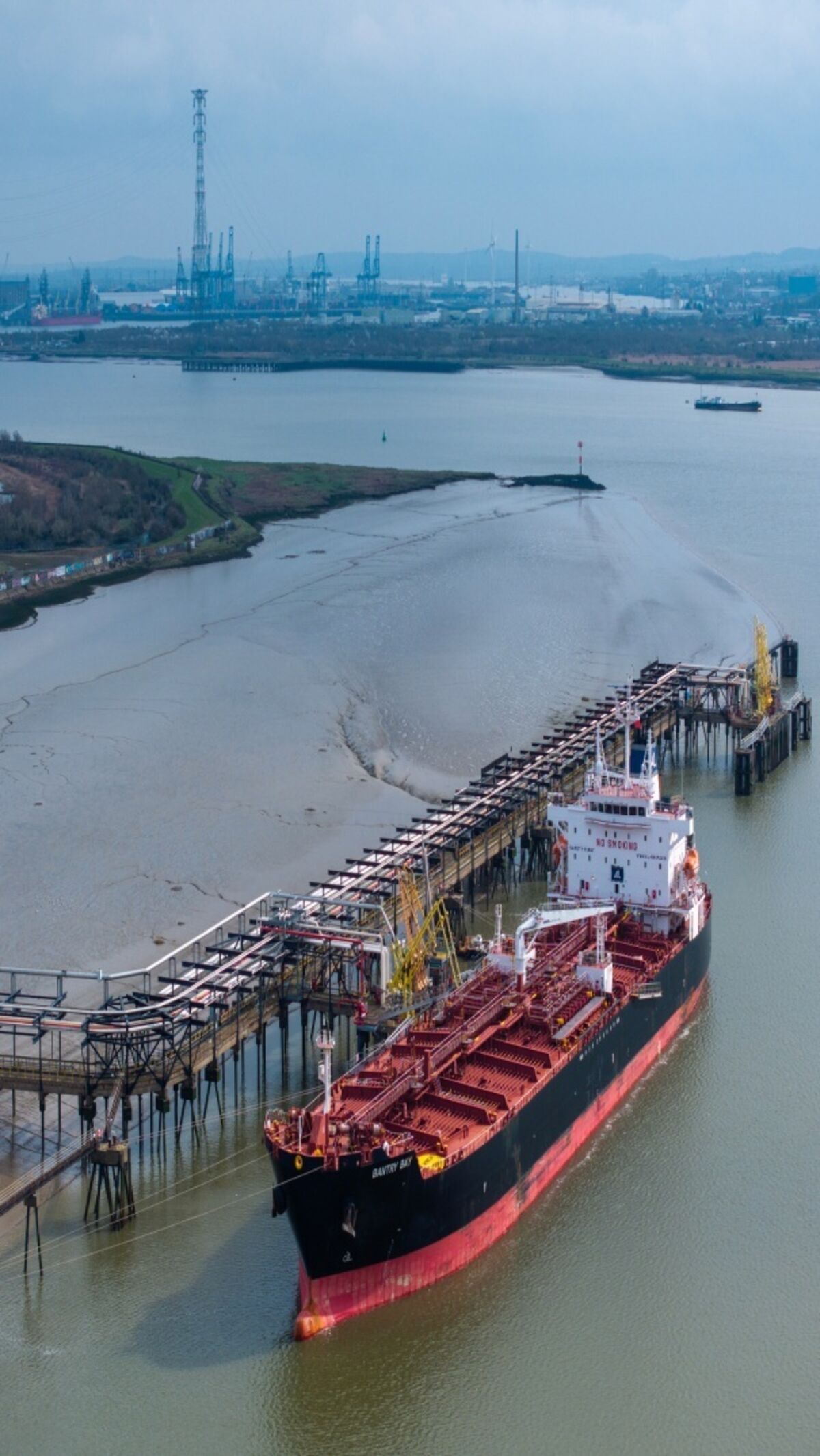
The Iran Mine Threat Rattling Global Oil
Has Iran mined the Strait of Hormuz? The oil business has to assume so – which could signal a slow rebound for global energy supplies, Bloomberg’s global defense editor, Gerry Doyle, tells the Big Take podcast’s David Gura. (Source: Bloomberg)
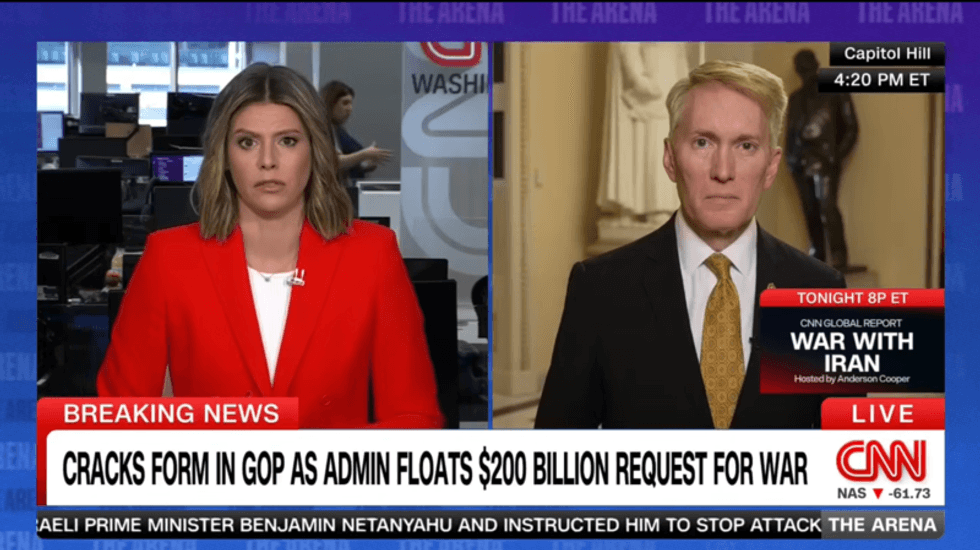
Senate Republican's own words hurled back in his face over Trump's Iran goals
CNN host Kasie Hunt threw a GOP senator's words back in his face on Wednesday over President Donald Trump's continuing war in Iran. Hunt interviewed Sen. James Lankford (R-OK) on her show, "The Arena," about the ongoing war in Iran, which has become a contentious issue for the White House. After…
Transcript: Trump Has No Idea How To End the War Against Iran
This is a lightly edited transcript of the March 19 edition of Right Now With Perry Bacon. You can watch the video here or by following this show on YouTube or Substack.Perry Bacon: So I want to start by framing this in maybe a positive way. We’re almost three weeks into this war with Iran. What…
Left-Leaning Media's Perspective
- Widespread concern that the Trump administration lacks a coherent strategy or clear objectives for the ongoing war with Iran, leading to a perception of being "trapped."
- Emphasis on the war's negative economic impacts, including surging oil prices and significant damage to Middle Eastern energy infrastructure, exacerbated by Iran's closure of the Strait of Hormuz and use of asymmetric tactics.
- Critique that the war has failed to advance American security and may be pushing Iran closer to developing nuclear capabilities, with Israel's specific goals regarding ballistic missiles highlighted as a driving factor.
Transcript: Trump Has No Idea How To End the War Against Iran
This is a lightly edited transcript of the March 19 edition of Right Now With Perry Bacon. You can watch the video here or by following this show on YouTube or Substack.Perry Bacon: So I want to start by framing this in maybe a positive way. We’re almost three weeks into this war with Iran. What…

The real reason Trump is trapped in Iran
Friends,Yesterday, Trump said that he’d do whatever is necessary to ease the oil crisis. He also assured America that the crisis “will be over soon.”BS.The problem isn’t just that Iran has blocked the Strait of Hormuz. It’s also that Iran, Israel, and the United States have all inflicted — and…

Trump Says We Won. This Former Rep Says We’re Trapped.
Adam Kinzinger tries to imagine a way out.
Right-Leaning Media's Perspective
- Reports emerged about a former counterterrorism official, Joe Kent, who resigned over the Iran war, claiming he and others were prevented from sharing their concerns with President Trump.
- News of an FBI investigation into the aforementioned former official, Joe Kent, following his public statements regarding his resignation and criticisms of the administration's war strategy.
- President Trump's strong stance, threatening to "finish off" Iran and calling for Asian and NATO allies to assume responsibility for securing the Strait of Hormuz.

Former counterterrorism official says he wasn't allowed to share Iran war concerns with Trump
Joe Kent, the former counterterrorism director who resigned this week over concerns about the Iran war, said Wednesday that he and other senior officials with doubts about the airstrikes "were not allowed" to share them with President Donald Trump.
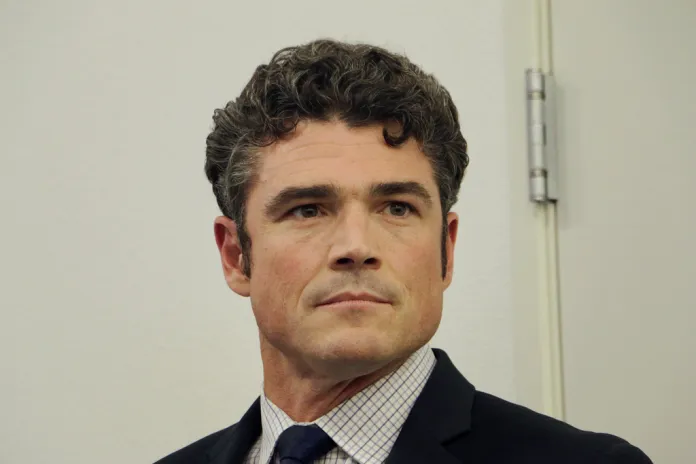
FBI investigating Trump official who resigned over Iran war: What to know about Joe Kent
Joe Kent, the former director of the National Counterterrorism Center, caused a stir when he announced his resignation was directly related to President Donald Trump’s attack on Iran. Since then, the ex-Trump official has started doing interviews to talk about the reasons for his departure and his…

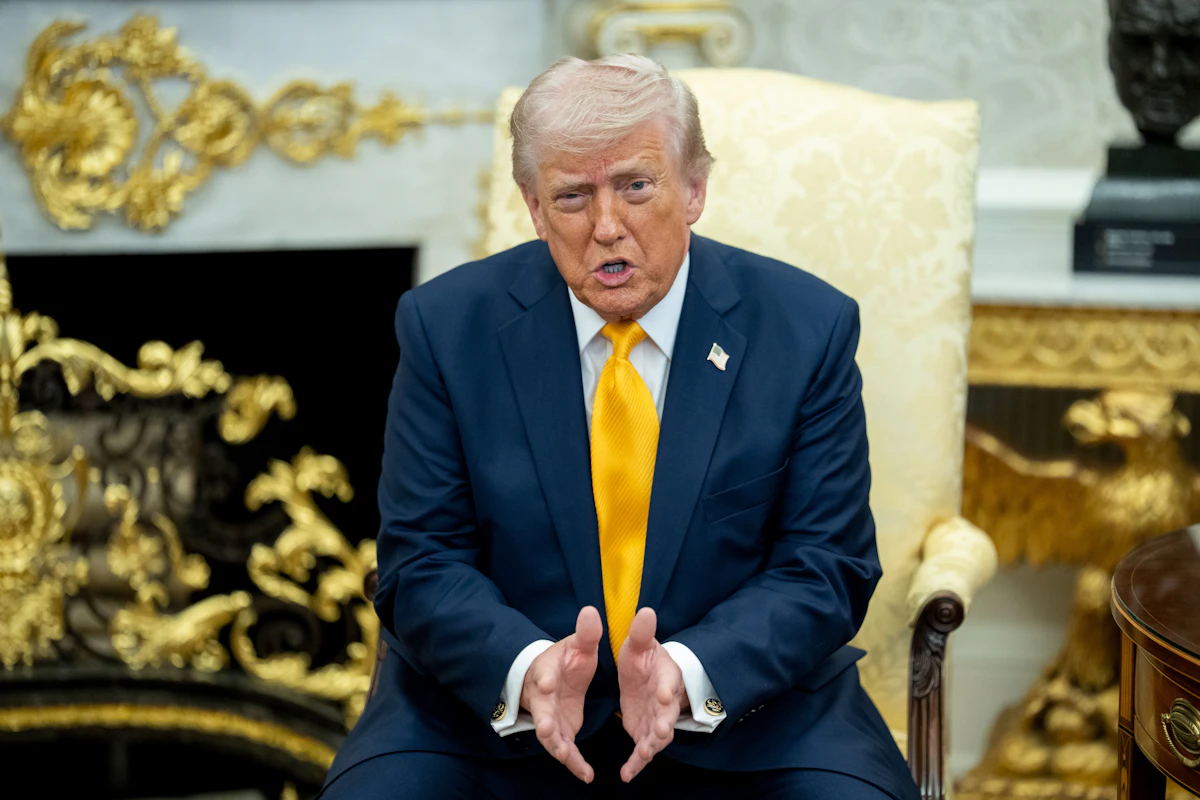
Trump Threatens to “Finish Off” Iran and Let Asia and NATO “Be Responsible” for the Strait of Hormuz
President Trump seemingly threatened to escalate the war in Iran and leave the Strait of Hormuz, a vital artery where up to 25% of the world’s oil travels through, to other countries that use it for their oil. The post Trump Threatens to “Finish Off” Iran and Let Asia and NATO “Be Responsible” for…