

Published 11/3/2026, 10:00:41 AM UTC
Tuesday's Summary
Democratic Representative Haley Stevens roiled the Michigan Senate race by endorsing Republican candidate Mike Rogers over Democratic nominee Abdul El-Sayed, prompting divergent reactions across the political spectrum. While left-leaning outlets condemned Stevens's move as a significant intraparty betrayal driven by ideological fractures, right-leaning reporting focused on her public explanations and defense of the crossover endorsement during televised interviews.
How the coverage differs
The most pronounced divergence appeared in the framing of Representative Haley Stevens’s endorsement of Republican Mike Rogers. Left-leaning commentary treated the move with intense scrutiny, portraying it as an ideological rupture within the Democratic coalition and questioning her decisions to speak to specific media figures following the announcement. In contrast, right-leaning coverage approached the endorsement primarily through the lens of her public defense, reporting on her statements without the accompanying framing of party disloyalty.
The two sides also prioritized fundamentally different national narratives outside the Michigan contest. Left-leaning reporting focused on former President Trump’s closing campaign rhetoric in Washington, treating his focus on capital aesthetics as a campaign liability. Right-leaning outlets, meanwhile, elevated legal developments involving federal law enforcement, prominently highlighting a federal judge's dismissal of allegations against FBI officials over the Hunter Biden laptop.
Trump Uses Final Pre-Midterm Speech to Ramble About Reflecting Pool
The president would like you to reward him for overhauling Washington, D.C., by voting Republican
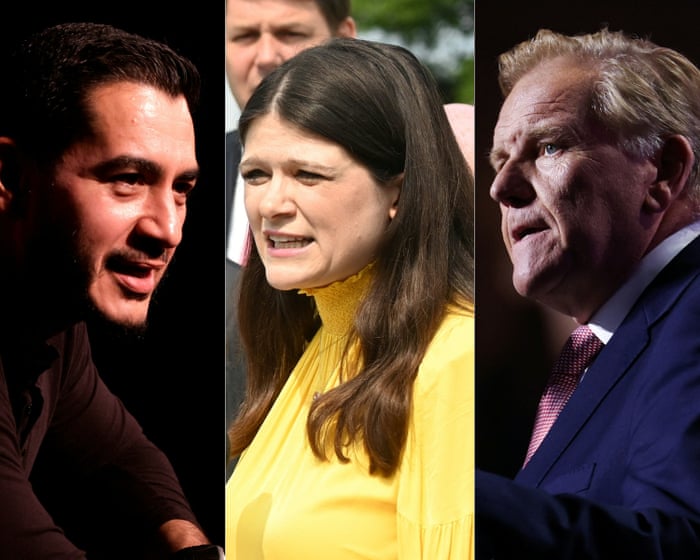
Democrats condemn Haley Stevens’ ‘betrayal’ following endorsement of Republican Mike Rogers – US politics live
The latest move has roiled one of the most fiercely contested Senate contestsIn his first public comments since Stevens’s endorsement of Rogers, El-Sayed told reporters at a press conference outside of a rally he held on Sunday, the very same rally that Stevens had earlier been disinvited from…

DC federal judge tosses case against FBI officials accused of lying about Hunter Biden laptop
US Magistrate Judge Zia Faruqui said the case "cannot be described as anything other than weaponization" of the Justice Department.
Left-Leaning Media's Perspective
- Critiques of Trump's closing campaign rhetoric: Coverage from Rolling Stone characterized Donald Trump's final pre-midterm speech as an unfocused address that centered heavily on overhauling Washington, D.C., including the Lincoln Memorial Reflecting Pool, rather than standard closing campaign themes.
- Intraparty backlash against Haley Stevens: Outlets such as The New Republic and The Intercept sharply criticized Representative Stevens for backing Republican Mike Rogers, framing her move as a betrayal of Democratic nominee Abdul El-Sayed and labeling centrist party factions as hostile to progressive goals, particularly regarding policy toward Israel.
- Democratic candidate responses: Reporting spotlighted El-Sayed’s public remarks outside a Michigan rally, where he sought to diminish the impact of Stevens's endorsement by arguing that voters are more focused on policy issues than political maneuvering.
Trump Uses Final Pre-Midterm Speech to Ramble About Reflecting Pool
The president would like you to reward him for overhauling Washington, D.C., by voting Republican

Haley Stevens Speaks to Right-Wing Outlet After Betraying Democrats
Democratic Representative Haley Stevens’s endorsement of Republican Mike Rogers for the Senate in Michigan came out of nowhere, and a trainwreck interview with CNN’s Anderson Cooper hours later didn’t answer anyone’s questions as to why she pulled her support from Democratic nominee Abdul…
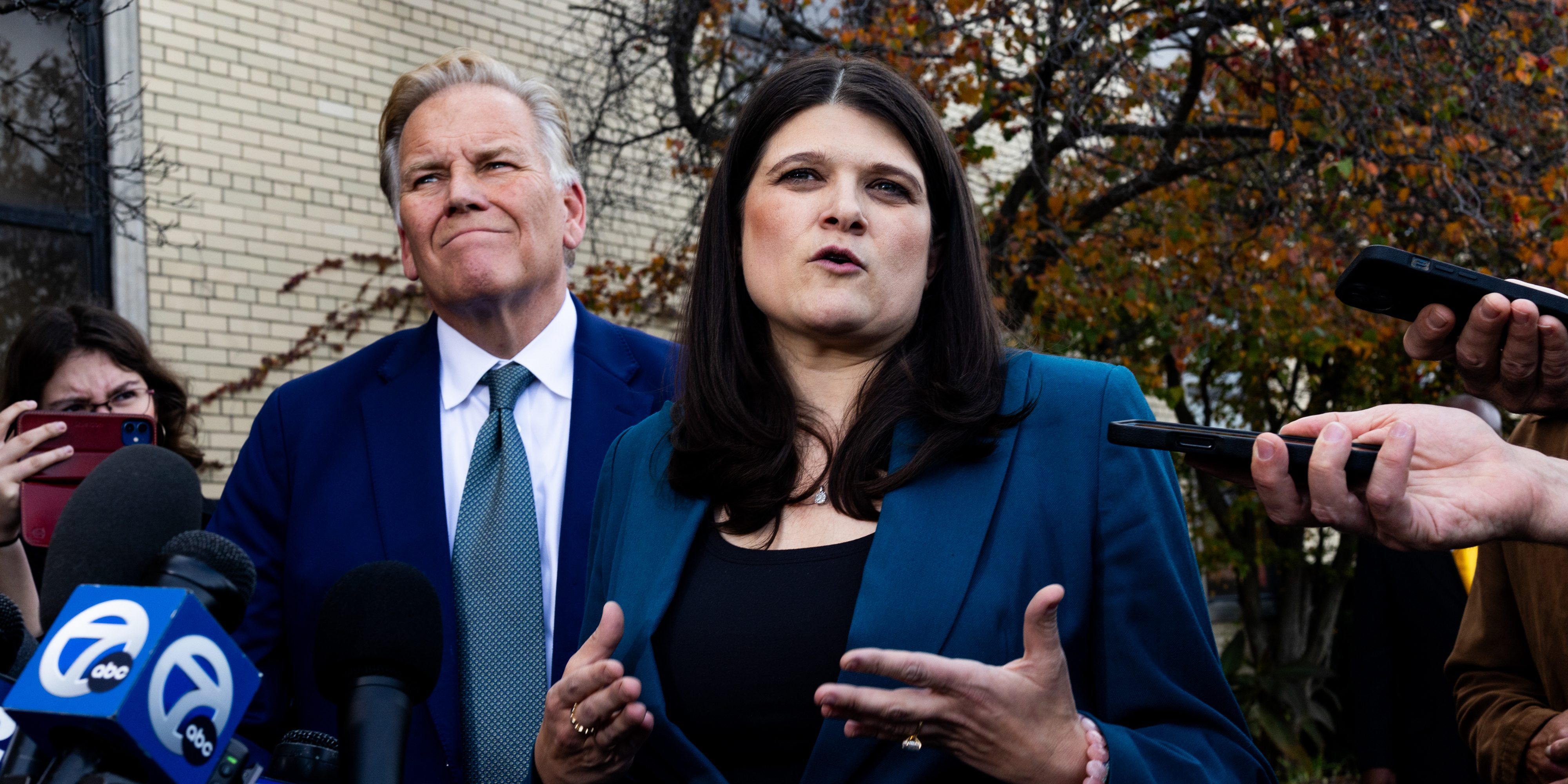
Radical Centrists Like Haley Stevens Are the Real Extremists in the Democratic Party
By endorsing Abdul El-Sayed’s opponent for Israel’s sake, Stevens shows how the real threat to progress comes from centrists.
Right-Leaning Media's Perspective
- Dismissal of lawsuit against FBI officials: The New York Post reported that U.S. Magistrate Judge Zia Faruqui dismissed a case against FBI personnel concerning the handling of the Hunter Biden laptop, highlighting the judge's assessment that the litigation constituted a weaponization of the Justice Department.
- Stevens's justification of the Rogers endorsement: Outlets such as Townhall monitored Representative Haley Stevens's high-profile media appearances, specifically detailing her sit-down interview with CNN's Anderson Cooper regarding why she chose to break party lines in Michigan.
- Electoral reform and ranked-choice voting: Reason Magazine examined ballot initiatives surrounding ranked-choice voting in Alaska and Massachusetts, exploring how the mechanism intersects with local political disputes involving figures such as Alaska Senator Dan Sullivan.
DC federal judge tosses case against FBI officials accused of lying about Hunter Biden laptop
US Magistrate Judge Zia Faruqui said the case "cannot be described as anything other than weaponization" of the Justice Department.
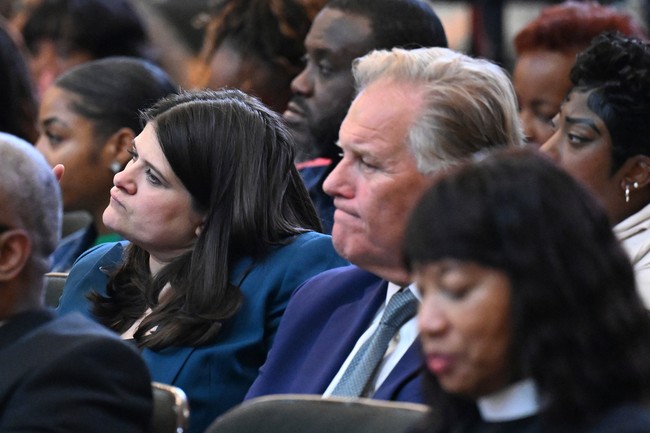
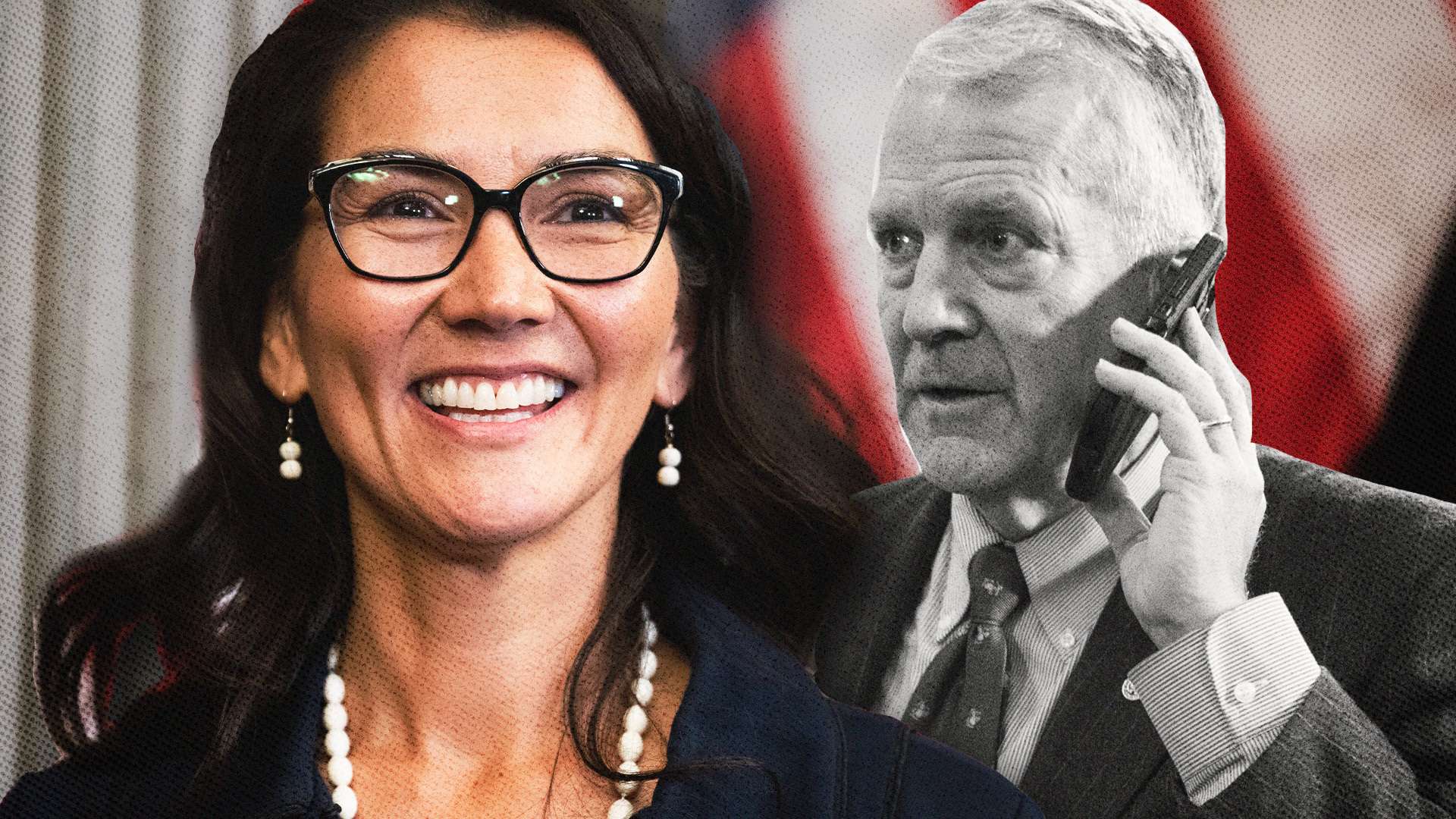
Ranked Choice Voting Will Untangle Alaska's Dan Sullivan Controversy. It's Also on the Ballot Itself.
As voters in Alaska decide whether to keep or abolish some electoral reforms, voters in Massachusetts will decide whether to try them.