

Published 10/12/2026, 10:00:37 AM UTC
Monday's Summary
President Donald Trump announced an "energy ceasefire" between Russia and Ukraine alongside a deal to import Russian diesel fuel to the United States. Left-leaning outlets questioned the economic impact and feasibility of the arrangement while emphasizing Ukrainian objections, whereas right-leaning coverage highlighted the diplomatic claim directly, reported on emerging Republican congressional resistance to the Russian fuel imports, and tracked a deadly missile attack in Saudi Arabia.
How the coverage differs
Coverage of the energy agreement with Russia diverged sharply in narrative focus. Left-leaning reporting focused on diplomatic friction between Washington and Kyiv alongside economic analysis questioning whether Russian diesel imports could realistically lower fuel costs. By contrast, right-leaning coverage treated the ceasefire announcement as a major diplomatic statement while documenting domestic political friction from congressional Republicans who argued the diesel arrangement compromises existing sanctions policy against Moscow.
The sides also diverged on secondary priorities. Left-leaning media spotlighted executive branch pressure on the press, detailing the Justice Department's antitrust inquiry into television networks that halted Trump pool coverage. Meanwhile, right-leaning outlets dedicated significant attention to Middle East hostilities, emphasizing the Houthi strike in Riyadh, the resulting American casualty, and the potential for expanded U.S. military engagement alongside Saudi Arabia.

Trump says Ukraine and Russia have agreed 'energy ceasefire'
Zelensky says Kyiv would support such a truce. Moscow has yet to comment.

Tillis says Trump’s Russia deal ‘is tarnishing Lindsey Graham’s efforts’ at sanctions
Sen. Thom Tillis (R-N.C.) on Sunday slammed President Trump’s deal with Russia for diesel amid the energy struggles the U.S. is experiencing. “The president needs to move forward with the sanctions bill that we sent him. This agreement with pursing Russian oil is essentially, I think, tarnishing…
Iran War Day 226: One American Dead in Houthi Attack on Saudi Airport
State of the Union: The secretary of Iran’s Supreme National Security Council characterized the American response to Iran’s ceasefire conditions “inadequate.”
Left-Leaning Media's Perspective
- Skepticism Over the Ceasefire and Diesel Agreement: Outlets highlighted President Trump's claim of a Russia-Ukraine "energy ceasefire," noting that Ukrainian President Volodymyr Zelenskyy rejected the framing and that Trump previously blamed Ukraine for elevated fuel prices. Analysts cited by The Guardian argued that lifting sanctions to import Russian diesel would offer little meaningful relief to American consumers due to shipping delays, limited volumes, and refinery damage in Russia.
- DOJ Antitrust Investigation into Media Networks: Coverage detailed a Justice Department probe targeting five major television broadcast networks for potential federal antitrust violations after the organizations temporarily suspended pool coverage of Trump.
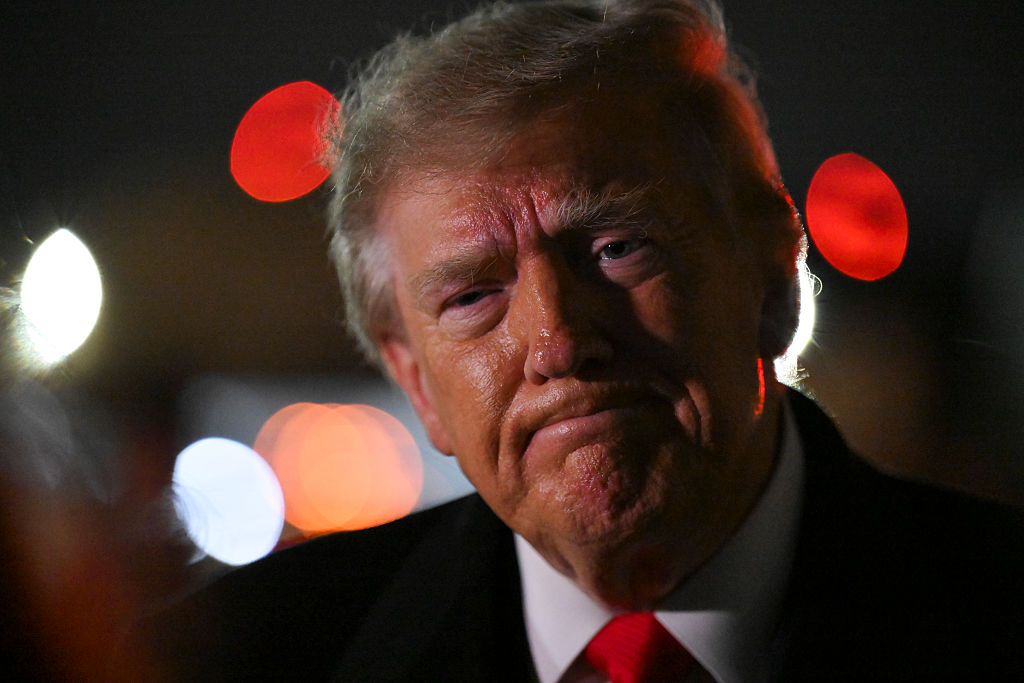
What to Know About Trump’s Russia-Ukraine ‘Energy Ceasefire’ Claim
Days prior to the alleged ceasefire, the President announced a diesel deal with Russia and blamed Ukraine for high fuel prices in the U.S.
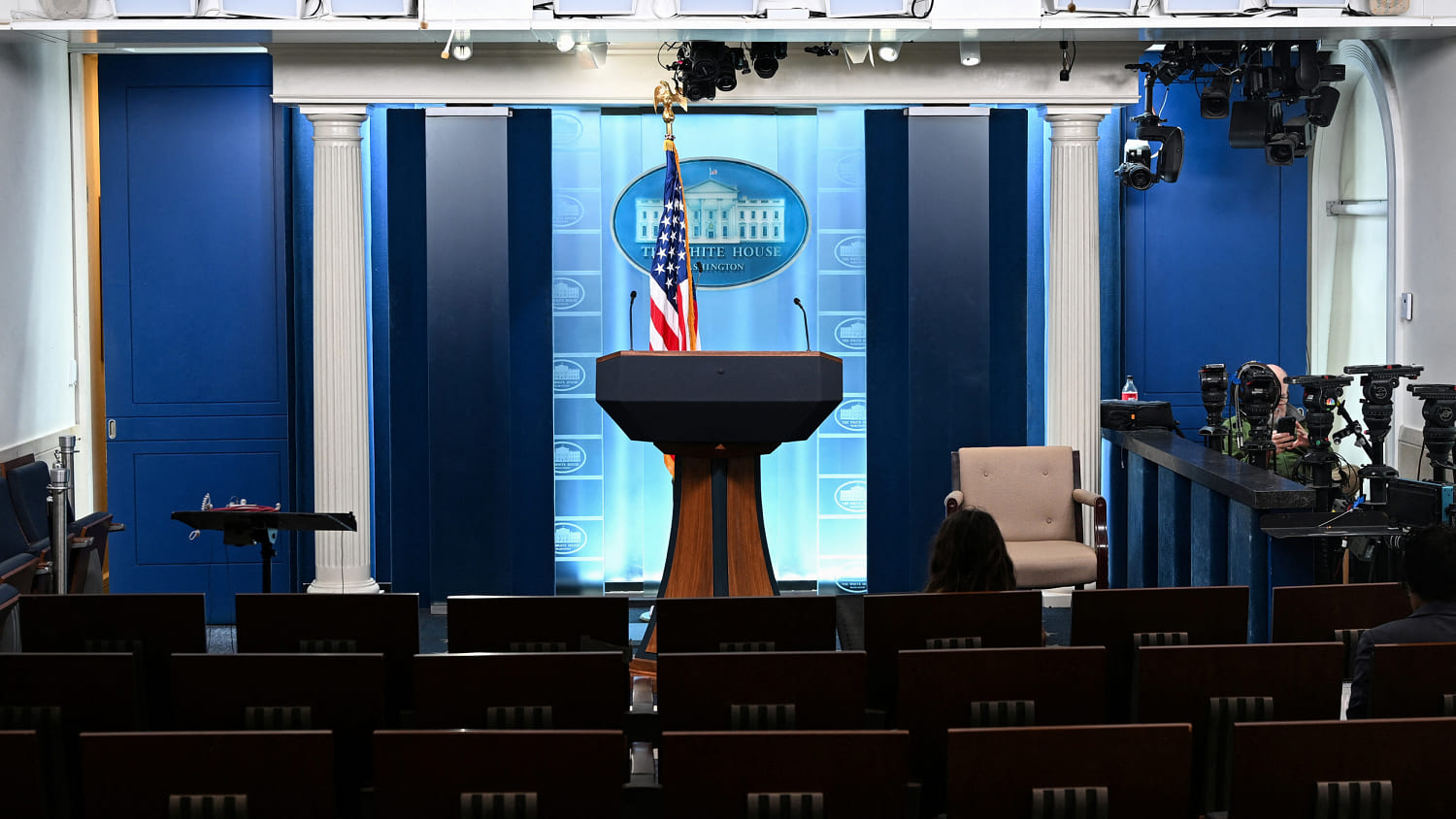
Justice Department investigating major TV networks over suspending pool coverage of Trump
The Justice Department said it is investigating five major TV broadcast networks for potentially violating federal antitrust laws after the networks temporarily declined to provide pool coverage of President Donald Trump, a department spokesperson said.
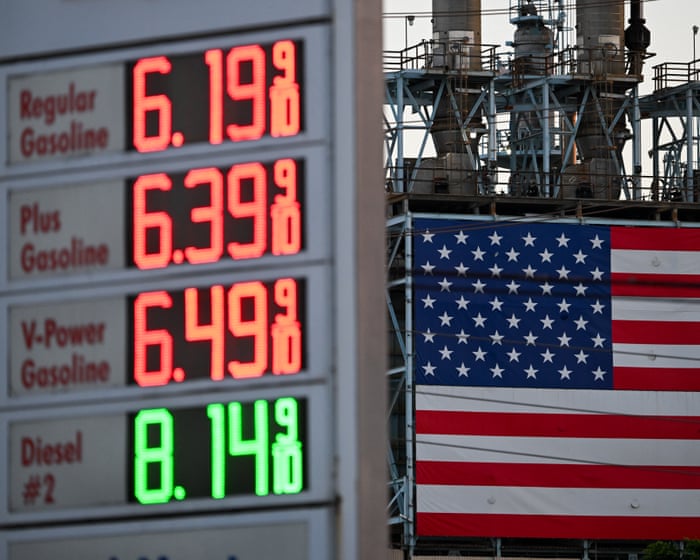
Trump’s deal with Putin will have little impact on US diesel prices, experts warn
Analysts say fuel will take weeks to ship and is too small to affect prices, with the full deal unlikely to be met given damage to Russian refineriesZelenskyy rejects Trump claim of Ukraine-Russia ‘energy ceasefire’Donald Trump’s deal with Vladimir Putin to temporarily lift sanctions on US imports…
Right-Leaning Media's Perspective
- Announcement of the Energy Ceasefire: Outlets reported directly on Trump's statement that Moscow and Kyiv had established an "energy ceasefire" following discussions over international energy flows.
- GOP Pushback Against Russian Oil Imports: Right-leaning reporting addressed internal party friction over Trump's decision to allow Russian diesel into the U.S. market. Lawmakers including Rep. Brian Fitzpatrick (R-PA) and Sen. Thom Tillis (R-NC) expressed sharp disapproval, with Fitzpatrick pledging bipartisan legislation to bar Russian fuel purchases and Tillis warning the administration's actions undermine congressional sanctions efforts.
- Fatal Houthi Strike on Saudi Airport: Coverage spotlighted an Iran-backed Houthi missile attack on Riyadh’s international airport that killed at least 12 people—including one American—and injured over 300, noting that Trump is weighing whether the U.S. will join Saudi-led military strikes.
Trump: Ukraine, Russia agree to ‘ENERGY CEASEFIRE’
Russia and Ukraine have agreed to an "ENERGY CEASEFIRE," President Donald Trump announced.

Republican backlash brews over Trump’s diesel deal with Russia
President Donald Trump’s decision to allow Russia to supply diesel fuel to the United States and global markets triggered pushback from multiple Republican figures on Saturday. Rep. Brian Fitzpatrick (R-PA) said he will introduce bipartisan legislation “to block any and all purchases of Russian…
Iran-Backed Houthi Attack on Riyadh Airport Kills 12, Injures 300+ as Trump Weighs Joining Saudi Strikes
Iran-backed Houthi terrorists killed at least 12 people, including an American, and wounded more than 300 others in a missile attack on Saudi Arabia’s busiest airport Saturday, as President Donald Trump weighs joining Saudi-led military strikes against the group.