

Published 8/7/2026, 10:01:01 AM UTC
Friday's Summary
This briefing analyzes the news climate of the previous 24 hours ending 2026-08-06. Key stories during this period included a Senate committee vote regarding a former public health official, executive action concerning immigration and citizenship rules, and the political fallout from a closely contested Senate primary in Michigan.
How the coverage differs
While both sides covered the Senate vote involving Dr. Anthony Fauci, tone and focus differed significantly. Right-leaning outlets emphasized the committee's desire for transparency regarding the federal COVID-19 response, framing Fauci’s repeated invocation of the Fifth Amendment as a refusal to answer necessary questions. In contrast, Left-leaning outlets framed the vote as a partisan effort driven by committee leadership, noting that the vote fell largely along party lines.
Coverage of President Trump’s executive orders on birthright citizenship also highlighted distinct priorities. Right-leaning outlets presented the orders as a decisive enforcement mechanism to eliminate policy loopholes. Left-leaning outlets raised constitutional questions, asserting that the executive actions directly conflict with recent Supreme Court precedent affirming 14th Amendment protections.
Finally, on the Michigan Senate primary, Left-leaning outlets focused on political strategy, examining data regarding voter turnout among young and college-educated demographics compared to working-class voters. Right-leaning outlets focused primarily on the potential for intra-party friction, suggesting that a divided Democratic base could favor Republican nominee Mike Rogers in the general election.

Senate committee votes to hold Fauci in contempt
The Senate committee chaired by Sen. Rand Paul (R-Ky.) on Thursday voted to refer former chief White House medical adviser Anthony Fauci to be held in contempt. The Senate Homeland Security and Governmental Affairs Committee in a party-line, 8-5 vote, with two additional “no” votes by proxy,…
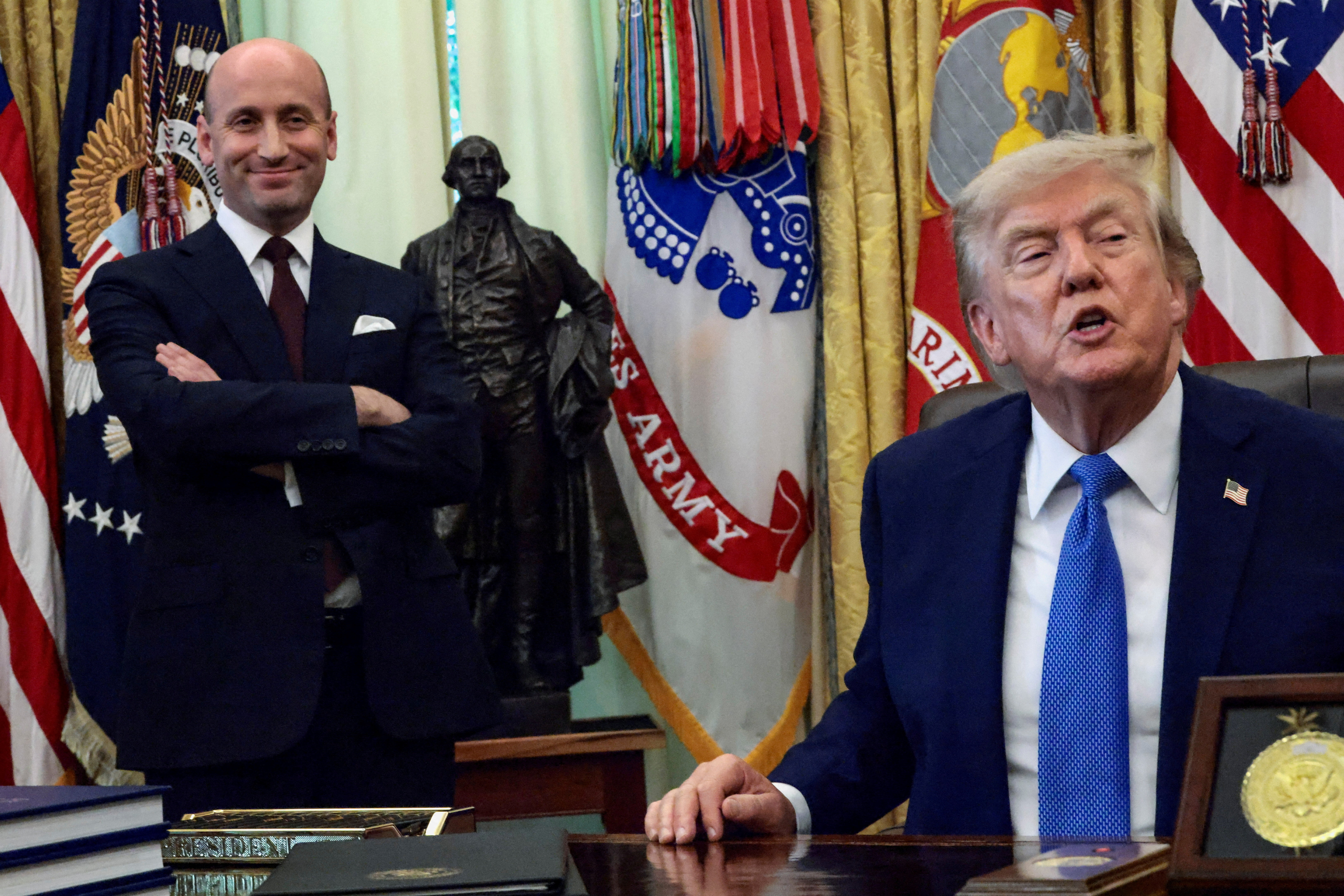
WATCH: Trump signs executive orders imposing new limits on birthright citizenship
President Donald Trump said Thursday that he is once more trying to limit the number of people who are born in the country who can become American citizens, in a sign that even after his first attempt at limiting birthright citizenship was rejected by the Supreme Court, he's ready to try again.
Abdul El-Sayed Wins Contentious Michigan Democratic Senate Primary
State of the Union: El-Sayed edged out Rep. Haley Stevens in a hard-fought race that leaves the party divided.
Left-Leaning Media's Perspective
- Senate Committee Contempt Vote: Outlets reported on a party-line vote by the Senate Homeland Security and Governmental Affairs Committee to hold Dr. Anthony Fauci in contempt of Congress after he invoked his Fifth Amendment rights over 100 times during a recent hearing.
- Michigan Democratic Senate Primary Analysis: Outlets covered progressive candidate Abdul El-Sayed’s narrow primary victory over Representative Haley Stevens. Analysis focused on El-Sayed’s need to unite progressive young voters with moderate working-class voters to remain competitive against Republican nominee Mike Rogers in the general election.
- Executive Action on Birthright Citizenship: Outlets reported on President Donald Trump signing executive orders intended to restrict birthright citizenship and address "birth tourism," framing the actions as an attempt to bypass recent judicial decisions upholding the 14th Amendment.
Senate Republicans vote to hold Fauci in contempt of Congress
Senate Republicans voted to hold Dr. Anthony Fauci in contempt of congress for invoking his fifth amendment rights over 100 times during a hearing last week. NBC News’ Ryan Nobles reports.

Transcript: Who Is Abdul El-Sayed? His Harsh Trump Takedown Is a Clue.
The following is a lightly edited transcript of the August 6 episode of the Daily Blast podcast. Listen to it here.Greg Sargent: This is The Daily Blast from The New Republic, produced and presented by the DSR Network. I’m your host, Greg Sargent.After Abdul El-Sayed won the Democratic Senate…
Trump Signs Executive Orders Targeting Birthright Citizenship, 'Birth Tourism'
The move aims to undermine the Supreme Court’s recent decision to uphold the 14th Amendment.
Right-Leaning Media's Perspective
- Fauci Contempt Resolution: Coverage emphasized the Senate committee's 8–5 vote to refer Dr. Anthony Fauci for contempt of Congress, highlighting his reliance on the Fifth Amendment when questioned about the federal government's pandemic response.
- Executive Orders on Citizenship Restrictions: Outlets highlighted President Trump's signing of new executive orders targeting birthright citizenship and "birth tourism," presenting the move as a major step toward curbing illegal immigration and closing legal loopholes.
- Divided Michigan Democratic Primary: Reports noted Abdul El-Sayed’s victory over Representative Haley Stevens in Michigan's primary, emphasizing potential ideological divisions within the state's Democratic base ahead of the November election.
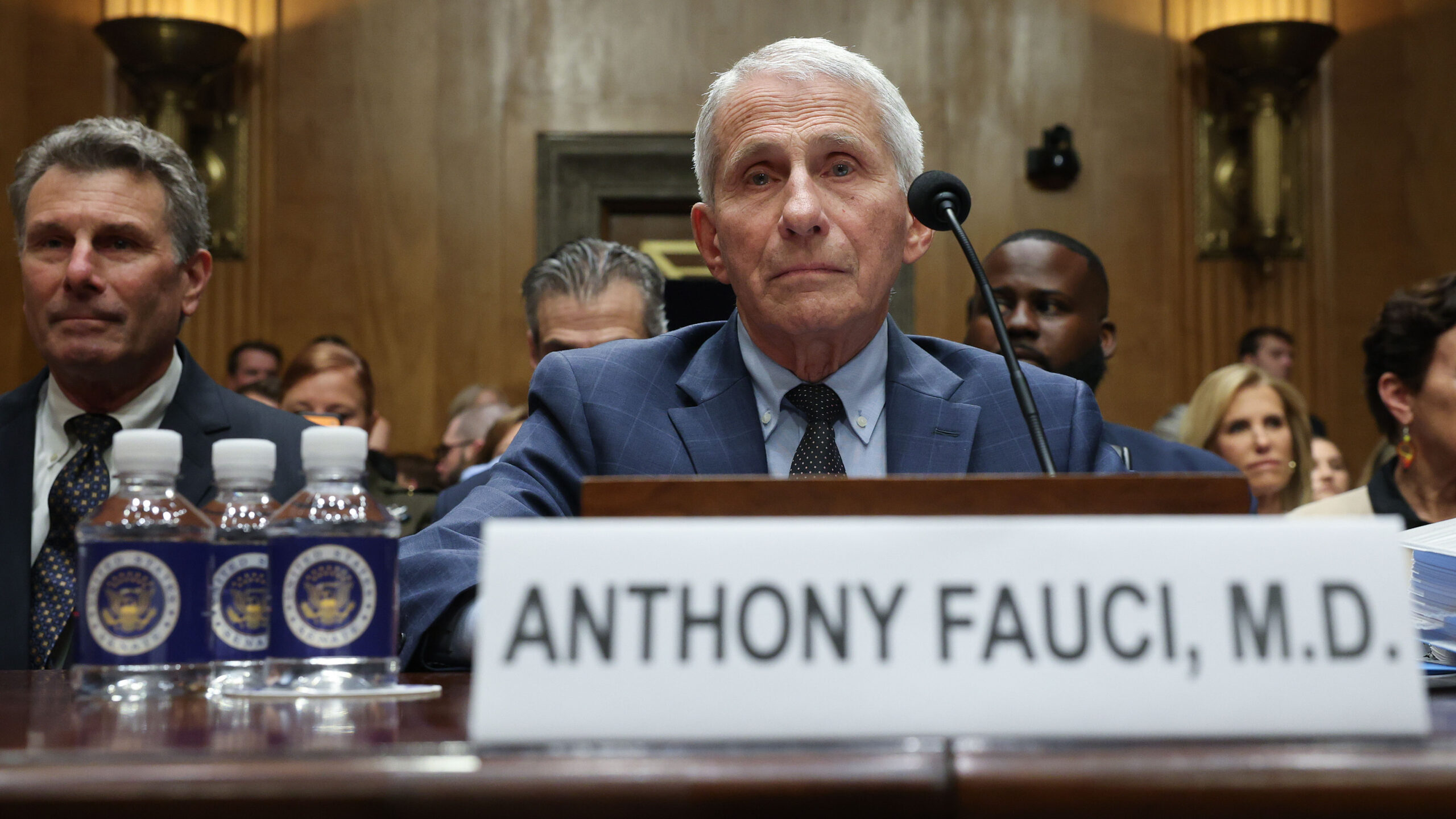
‘All He Had to Do Was Tell the Truth’: Senate Committee Votes to Hold Fauci in Contempt of Congress
The Senate committee investigating Dr. Anthony Fauci voted Thursday morning to advance a contempt of Congress citation against him. Last week, Fauci, the former director of the National Institute of Allergy and Infectious Diseases, invoked the Fifth Amendment 111 times before the Senate Homeland…

Watch Live: Senate Debates Holding Anthony Fauci in Contempt of Congress
The Senate Homeland Security and Governmental Affairs Committee meets to debate and vote on holding Dr. Anthony Fauci in contempt of Congress on Thursday, August 6.