

Published 7/11/2026, 10:00:47 AM UTC
Saturday's Summary
This briefing analyzes the prevailing news climate and dominant media narratives for the 24-hour period ending July 10, 2026. As several major stories regarding foreign policy and a high-stakes Senate race converged, the media landscape displayed a stark divide in how it framed executive intent and candidate viability.
How the coverage differs
The most significant divergence occurred in the framing of the renewed conflict with Iran. While both sides reported on the end of the ceasefire and new military blockades, the Left focused almost exclusively on the psychological and "attention-seeking" motivations of the President during the NATO summit. In contrast, the Right and high-consensus financial outlets focused on the strategic economic impact of bombing Iranian railways and the specific threats against the President's life as the primary catalysts for military action.
Regarding the Graham Platner withdrawal, the two sides inhabited different worlds of detail. Left-leaning outlets treated the story as a case study in difficult investigative reporting and a blow to the party's Senate hopes. Right-leaning outlets focused on the "scandal" aspect, highlighting specific allegations and Platner's ideological leanings to argue that his candidacy was symptomatic of broader issues within the Democratic platform. While both sides agreed the exit was official as of Friday, the Left viewed it through the lens of a "difficult effort" by the press, while the Right viewed it as a "good riddance" moment for a candidate they viewed as fundamentally flawed.
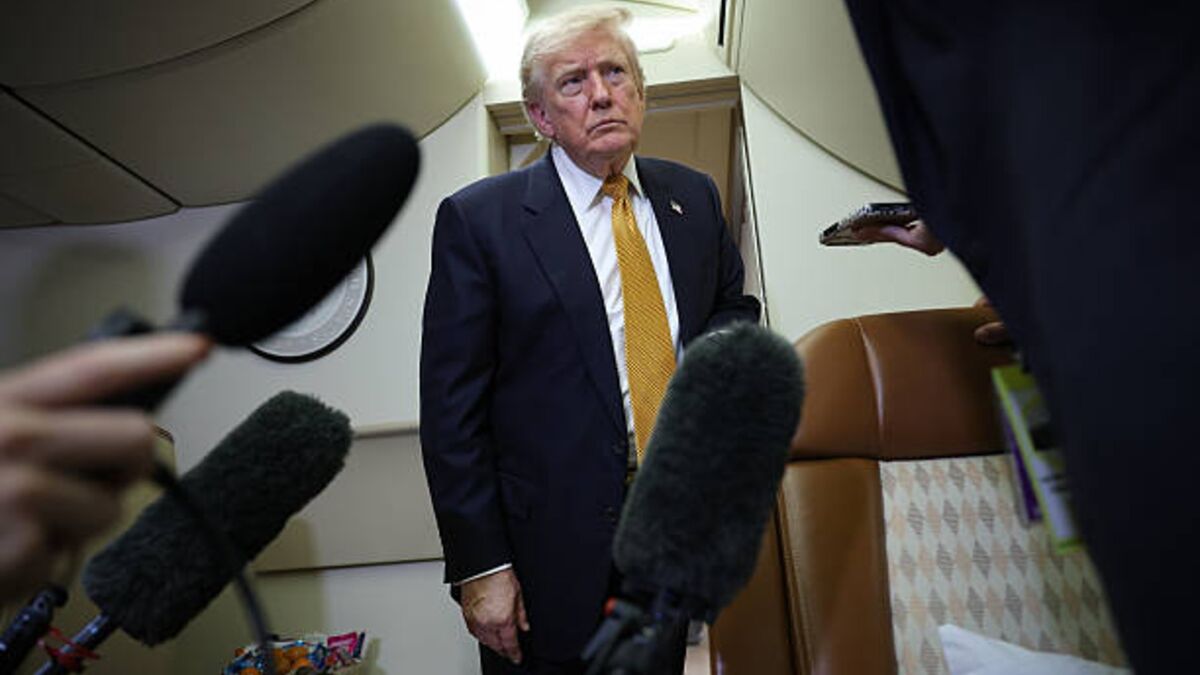
Trump Says Ceasefire With Iran Is Over
James Jeffrey, former US ambassador to Iraq and Turkey, said a new US blockade of Iran and bombing of its railways would cripple Iran's economy and military capabilities. President Trump says the ceasefire is over, but both sides are still talking. Jeffrey speaks on "Balance of Power." (Source:…
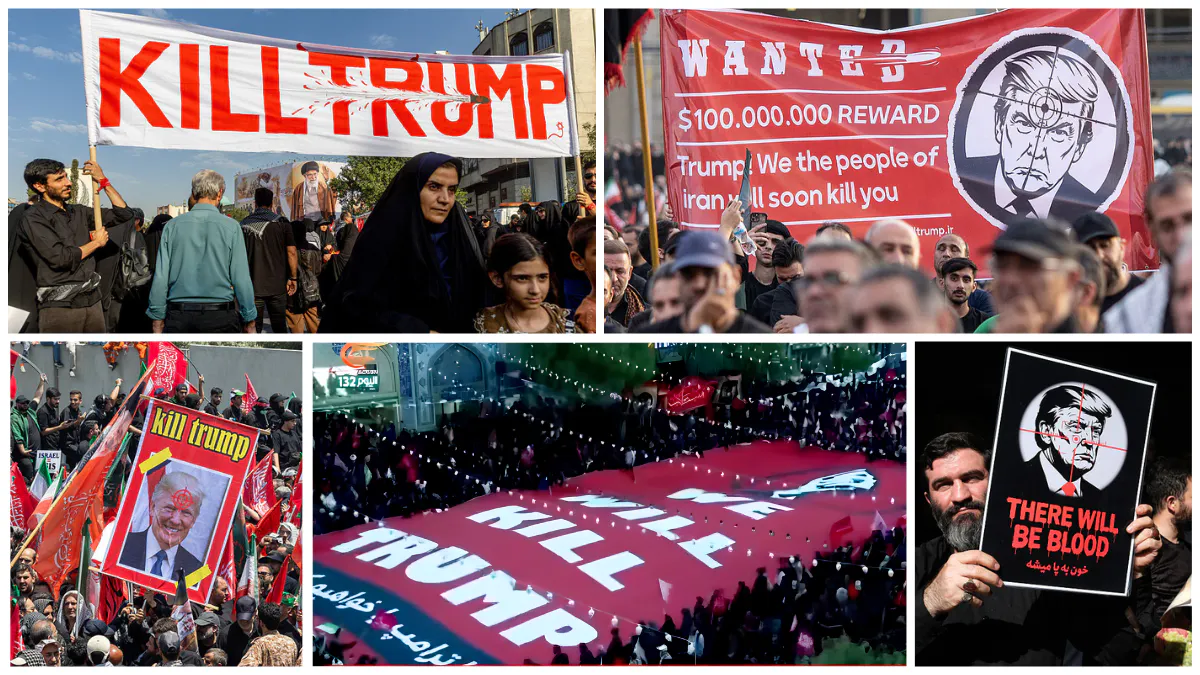
Trump Reveals His Plan If Iran Assassinates Him
President Donald Trump said Friday that he left instructions for a significant military response if Iran succeeds in carrying out its long-running threats to assassinate him. “I’ve been on their list for a long time. That’s what we’re dealing with,” Trump told the New York Post. “The only thing…
Left-Leaning Media's Perspective
- The Media's Internal Process: Major outlets provided an "inside baseball" look at the investigative efforts required to vet Graham Platner. The narrative centered on the difficulty senior editors faced in verifying allegations against a leading Democratic candidate, framing the withdrawal as a somber conclusion to a rigorous journalistic process.
- Trump’s Motivations at NATO: Coverage heavily featured claims from biographers and insiders suggesting that recent military actions in Iran were timed specifically to "upstage" allies at the NATO summit. This narrative characterized the resumption of hostilities not as a strategic shift, but as a maneuver to reclaim the international spotlight from other world leaders.
- The Official Exit: Left-leaning reporting focused on the procedural reality of Platner’s withdrawal from the Maine Senate race, noting the "embattled" nature of his candidacy while emphasizing the official timeline of his departure.
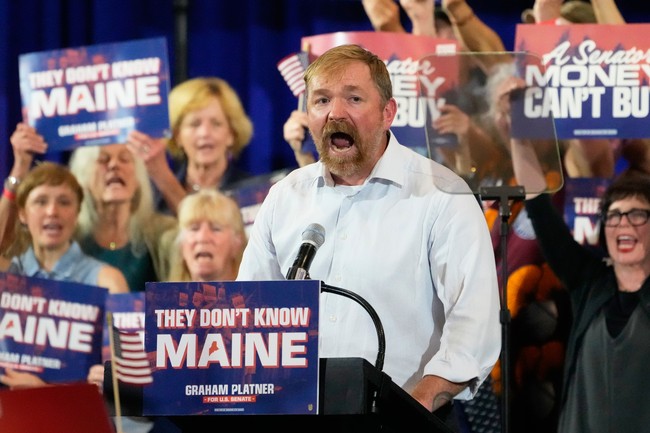
Graham Platner officially withdraws from the Maine Senate race
Embattled candidate Graham Platner officially dropped out of Maine’s U.S.

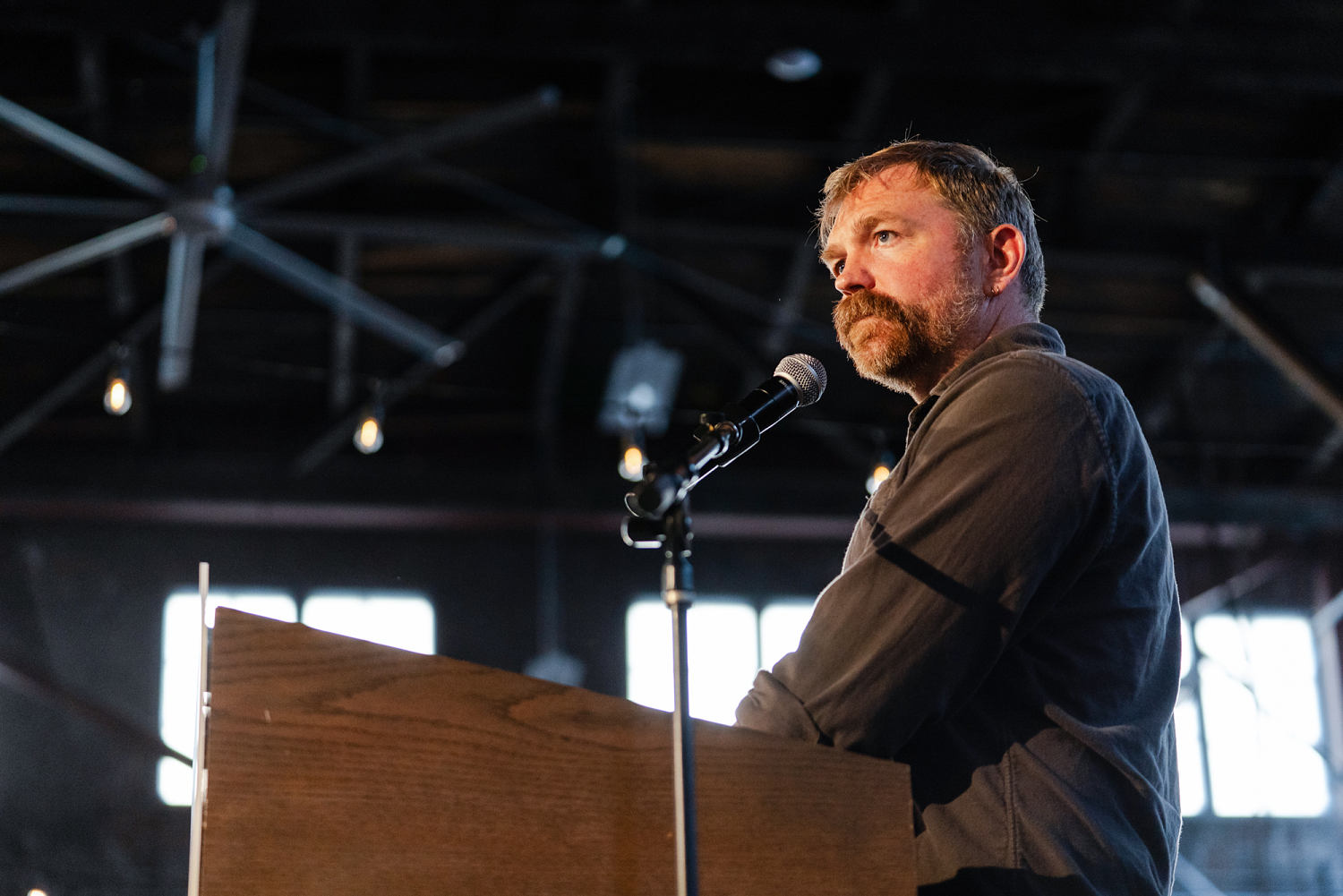
How The Times Reported on Graham Platner
Two senior editors discuss the difficult effort to track down allegations against the leading Democrat for Senate in Maine and the questions that soon followed.
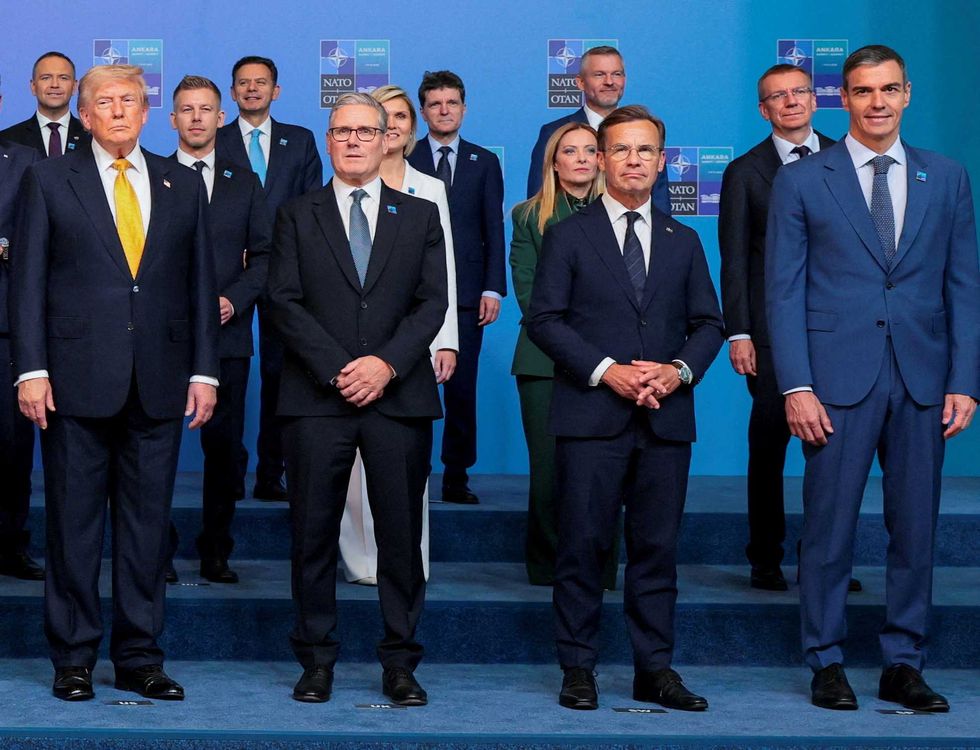
Trump bombed Iran again just to "upstage" everyone at NATO summit: biographer
A Trump biographer suggested that the reason Trump bombed Iran again was to get attention during the recent NATO summit.During an episode of Inside Trump's Head podcast, biographer and author Michael Wolff said that the idea of Trump bombing Iran was to "upstage" his counterparts at the NATO…
Right-Leaning Media's Perspective
- Democratic Strategic Failures: Outlets focused on what they characterized as a lack of foresight by the Democratic Party, arguing that leadership ignored warning signs regarding Platner until it was too late. The narrative suggested that the party is now in a precarious position with only 17 days to find a replacement to challenge Senator Susan Collins.
- Platner’s Rhetoric and Scandals: High visibility was given to the specific details of the allegations against Platner and his defiant parting words. Reports highlighted his "far-left" platform and his closing remarks, which included disparaging comments about federal agencies, framing his candidacy as a "mistake" from which the opposition party might not recover.
- National Security and Deterrence: Regarding Iran, coverage focused on President Trump’s stated plan to respond to assassination threats. The narrative emphasized military preparedness and the necessity of leaving "instructions" for a significant response, framing the end of the ceasefire as a defensive and strategic necessity.
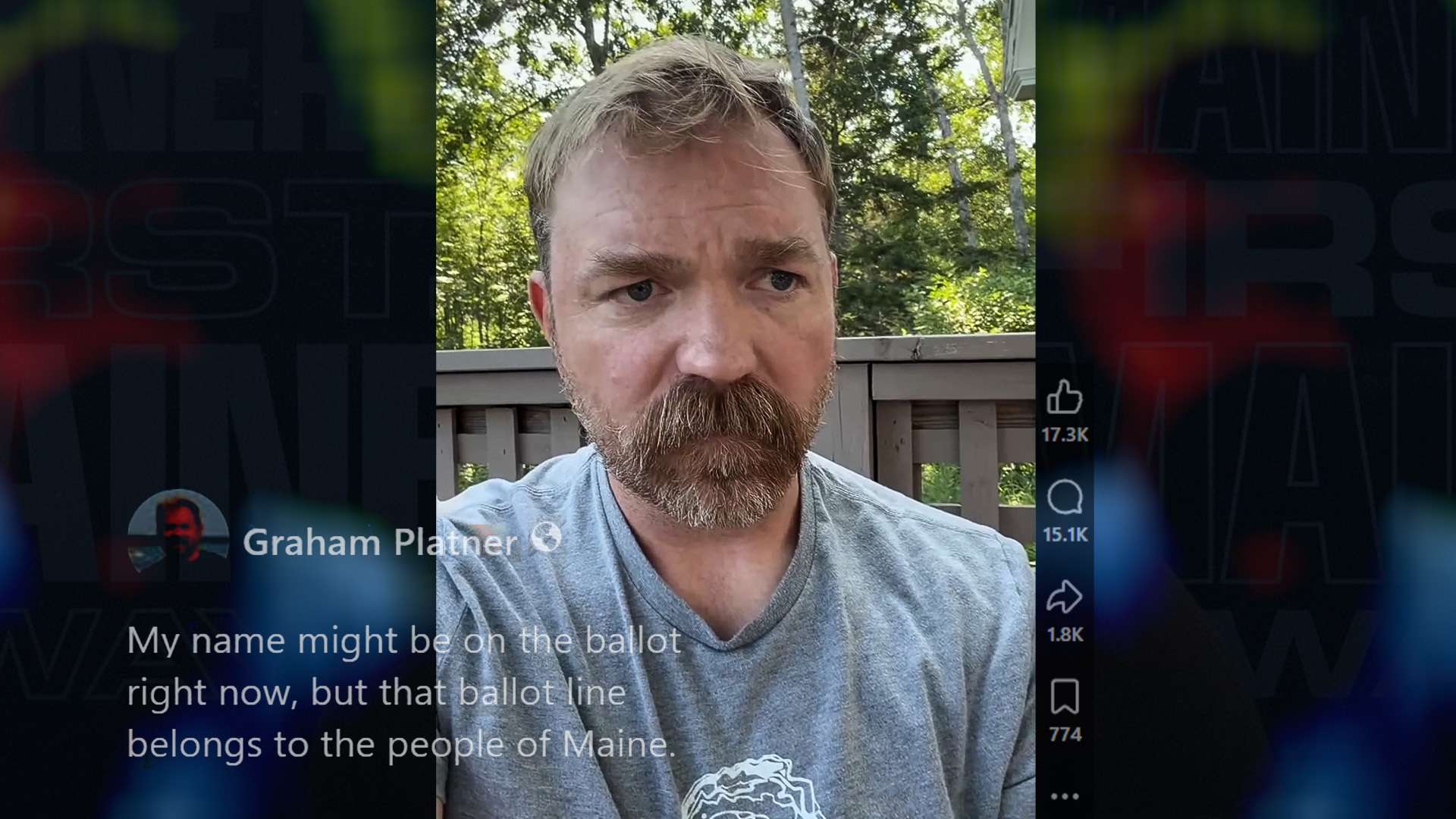
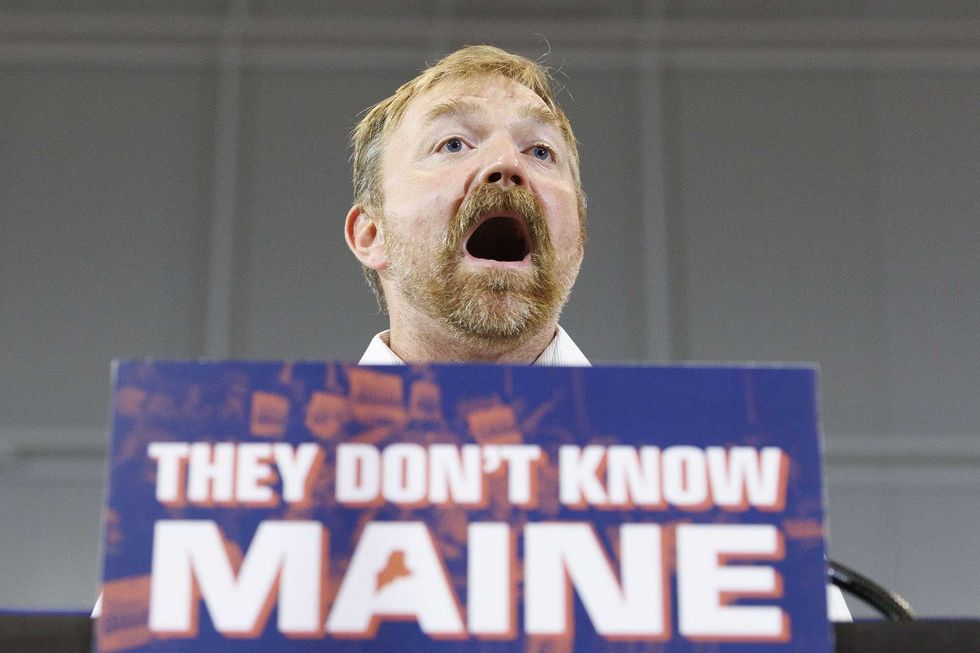
Graham Platner officially WITHDRAWS from pivotal Senate race
Graham Platner officially filed to leave the race for one of Maine's seats in the U.S. Senate on Friday after facing intense criticism for numerous scandals.Democrats now have only 17 days under Maine law to find his replacement and take on the campaign to replace incumbent Republican Maine Sen.…
Platner Was a Mistake. Democrats Won't Learn From It
Democrats had every chance to back out on Graham Platner before it was too late. Now he holds all the cards - and they can't win Maine without them.