Monday's Summary
This briefing analyzes the news climate of the previous 24 hours ending June 28, 2026. The media landscape is currently dominated by a rapidly evolving situation in the Strait of Hormuz and a series of high-stakes domestic political developments.
How the coverage differs
The most striking divergence involves the framing of the breakdown in the U.S.-Iran ceasefire. Left-leaning outlets focused on the nuances of the Memorandum of Understanding (MOU) and "competing interpretations" of maritime coordination, suggesting a failure of diplomatic infrastructure. In contrast, right-leaning outlets characterized the situation through a lens of "tit-for-tat" aggression, placing the onus of the fracture squarely on Iranian "tanker attacks" and Tehran's subsequent threats to abandon peace talks entirely.
While both sides acknowledged the upcoming Tuesday meeting in Doha, Qatar, the underlying sentiment differed. Left-leaning reporting treated the meeting as a desperate attempt to salvage a "shaky" 11-day peace, while right-leaning sources framed it as a moment where Iran is attempting to use the "complete halt" of talks as a threat against U.S. retaliation. Furthermore, the two sides chose to elevate different domestic stories: the Left focused on the administrative shift at ICE, while the Right prioritized the electoral success of a Trump-backed candidate in Louisiana.
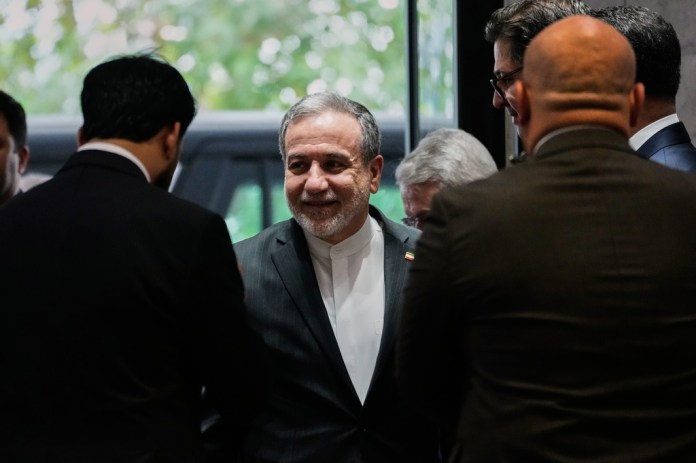
US and Iran to cease strikes and discuss Strait of Hormuz this week: Report
Officials from the United States and Iran will meet in Qatar this week to discuss the Strait of Hormuz after agreeing to “halt strikes” following a weekend of intermittent fighting between the two countries. The meeting, scheduled for Tuesday in Doha, will be held to allow the two sides “to work out their dispute over […]
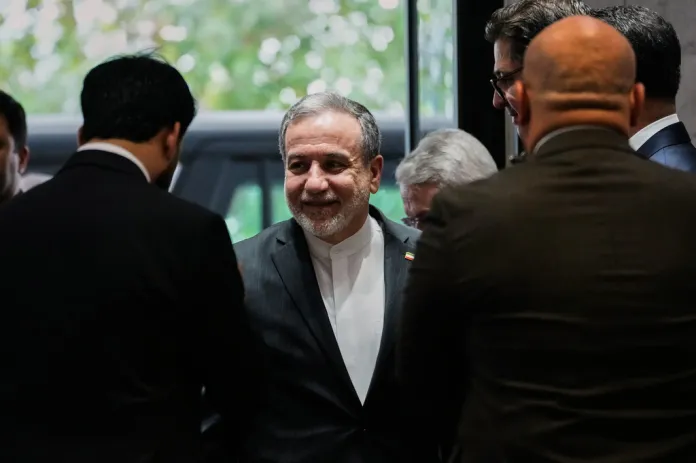
Iran threatens ‘complete halt’ to US peace talks after day of tit-for-tat strikes
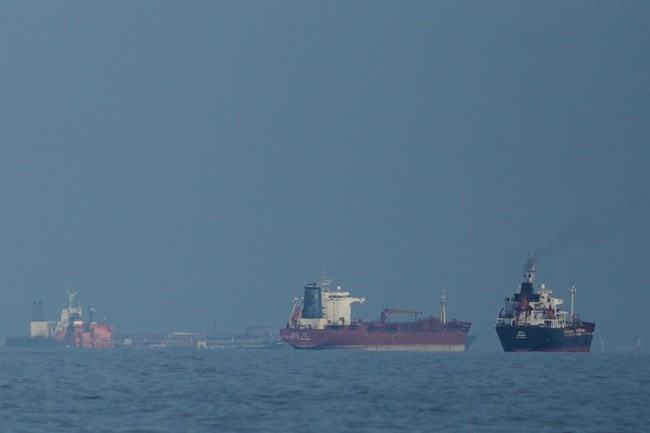
Iran warned Sunday that it could bring ongoing peace talks with the United States to a “complete halt” after a fresh exchange of military strikes in recent days. The ceasefire agreement reached earlier this month appeared to fracture after Iran attacked commercial shipping in the Strait of Hormuz and the U.S. retaliated against Iranian targets […]
Left-Leaning Media's Perspective
- Diplomatic Mechanics and Delays: Reporting centered on the technical failures of the 11-day-old ceasefire, specifically the fact that a military "hotline" between the U.S. and the IRGC has yet to be established despite previous agreements.
- Vance’s Triumphant Rhetoric: Outlets highlighted Vice President JD Vance’s public assertion that the U.S. "holds all the cards" in the Iran conflict, framing the administration's stance as one of supreme confidence even as military strikes resumed.
- ICE Leadership Transition: Significant attention was paid to President Trump’s nomination of Lance Schroyer, a former Oklahoma State Trooper, to lead Immigration and Customs Enforcement (ICE).

Trump news at a glance: America wins ‘either way’, Vance claims amid shaky ceasefire with Iran
Vice-president JD Vance says US holds all the cards in conflict with Iran – key US politics stories from Saturday 27 JuneHours before fresh military strikes were exchanged in the strait of Hormuz, vice-president JD Vance continued to reiterate the administration’s triumphant line on the war with Iran.“If we make the final deal, then great,” the US vice-president told HBO’s Bill Maher. Continue reading...
Trump Says He Is Nominating Former Oklahoma State Trooper Lance Schroyer As ICE Director
President Donald Trump says he is nominating Lance Schroyer as the next director of Immigration and Customs Enforcement.

U.S. and Iran agree to halt strikes and meet this week, U.S. official says
The U.S. and Iran agreed to stop attacking each other, according to a senior U.S. official, as the two sides plan to meet Tuesday in Qatar's capital to work out their dispute over the Strait of Hormuz.Why it matters: The ceasefire is barely 11 days old and already on shaky ground with renewed strikes by both sides and President Trump's threat to restart the war and "complete the job."The renewed fighting was sparked by competing interpretations of the memorandum of understanding (MOU) to end the war — especially its terms on the Strait of Hormuz.The latest: "We decided to stop all the kinetic activity," a senior U.S. official tells Axios, using the military's term for strikes and other attacks.A second U.S. official tells Axios both sides will stand down "for now" and that "vessels can move freely" as technical talks are set to continue.Both U.S. officials and a third source with knowledge confirmed Tuesday's planned meeting.Catch up quick: Under the MOU, Iran committed to make its best efforts to allow safe passage of commercial vessels through the strait. In return, the U.S. lifted its blockade of Iranian ports.During negotiations in Switzerland last week, the U.S. delegation — headed by Vice President Vance — agreed with Iran to establish a "hotline" between the U.S. military and the IRGC (Islamic Revolutionary Guard Corps), Iran's military command, to coordinate traffic in the strait.As of Saturday, the "hotline" still wasn't operational even as Iran started claiming, again, that ships need to coordinate passage.State of play: The Tuesday talks were originally set to happen in Switzerland to address Iran's nuclear program, a source with knowledge of the talks said. The escalation moved them to a different venue and refocused them on the Strait of Hormuz.Nick Stewart, who heads the U.S. technical team, is expected to participate in the talks, according to a U.S. official and a source with knowledge.The White House didn't immediately respond to a request for comment.Editor's note: This is a breaking news story and will be updated.
Right-Leaning Media's Perspective
- Iranian Provocation: Narrative focus was placed heavily on Iran’s role in breaking the ceasefire, specifically citing an attack on a commercial tanker as the catalyst for the latest round of kinetic activity.
- Retaliatory Capability: Coverage emphasized the U.S. military’s swift response to Iranian aggression, framing the weekend’s strikes as necessary defensive measures to protect international shipping lanes.
- Louisiana Election Results: Outlets celebrated a domestic political win, reporting on Trump-endorsed Julia Letlow’s victory in the Louisiana GOP Senate primary runoff against John Fleming.
Iran threatens ‘complete halt’ to US peace talks after day of tit-for-tat strikes
Iran warned Sunday that it could bring ongoing peace talks with the United States to a “complete halt” after a fresh exchange of military strikes in recent days. The ceasefire agreement reached earlier this month appeared to fracture after Iran attacked commercial shipping in the Strait of Hormuz and the U.S. retaliated against Iranian targets […]

Trump-backed Julia Letlow takes victory in Louisiana GOP Senate primary runoff
Trump-endorsed Louisiana Rep. Julia Letlow defeated State Treasurer John Fleming in the state's Senate Republican primary runoff Saturday -- marking the latest display of the president's primary election pull.