Friday's Summary
This briefing analyzes the news climate and media landscape of the previous 24 hours, ending June 18, 2026. Today’s report examines the domestic and international fallout of the preliminary agreement between the Trump administration and Iran, a development that has triggered significant shifts in both the geopolitical landscape and the American economy.
How the coverage differs
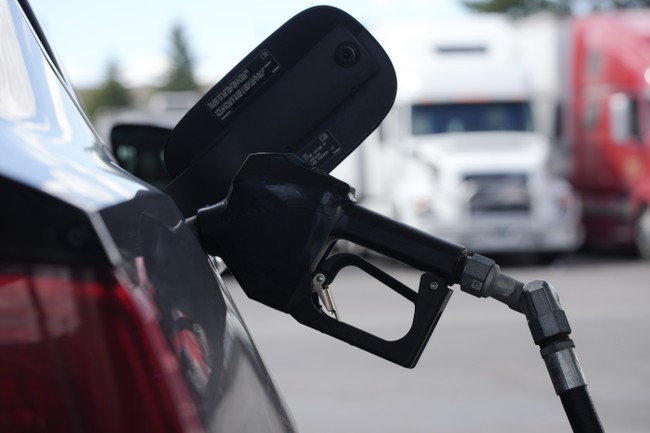
The most striking divergence between the two sides lies in the framing of the economic data. While both Left and Right outlets reported that gas prices have fallen below the $4 threshold, they contextualized this figure differently. High-consensus reporting acknowledges the drop, but Left-leaning outlets were quick to remind readers that prices remain roughly a dollar higher per gallon than they were before the U.S.-Israel attack on Iran. Conversely, Right-leaning outlets focused almost exclusively on the downward trend as a direct "Trump win," largely omitting the pre-war price comparisons.
Furthermore, the "GOP rift" was a point of interpretive conflict. Left-leaning sources framed the skepticism from Republican lawmakers as a sign of a weakening administration and a "feeble" deal. Right-leaning sources, while acknowledging some dissent, tended to frame the deal as a pragmatic end to an era of interventionism, viewing the critics as outliers compared to the broader success of the peace agreement. While both sides focused on Vice President Vance as the face of the administration’s defense, the Left portrayed him as a salesman for a flawed product, while the Right portrayed him as a statesman confirming a successful diplomatic outcome.
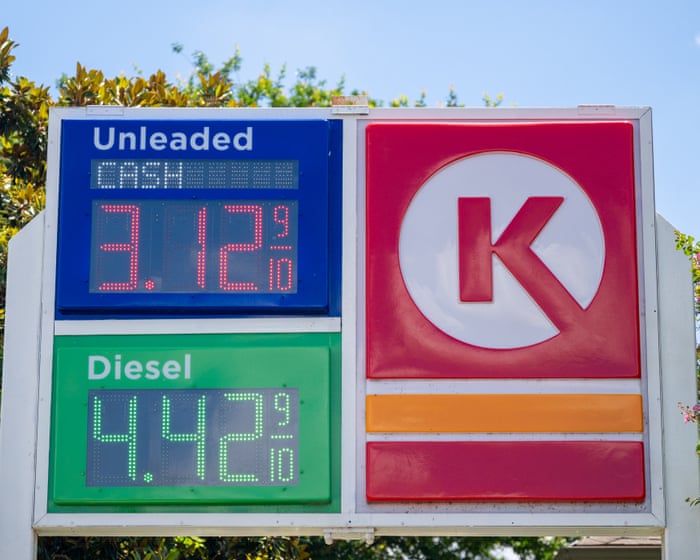
Gas prices fall below $4 on average after Trump’s signing of Iran deal to end war
Drivers feel some relief but prices still a dollar more per gallon overall since before US-Israel attack on IranSign up for the Breaking News US newsletter email The average price of US gasoline fell to just under $4 a gallon on Thursday for the first time since March, following the announcement of a preliminary agreement between the US and Iran to end the war and reopen the strait of Hormuz.The development has provided some relief to drivers who have seen soaring costs amid Washington’s war with Iran. But filling up still remains more expensive than it was before the conflict began. Continue reading...
White House defends Iran deal amid criticism
Vice President JD Vance touted the preliminary agreement with Iran amid criticism from some Trump allies. NBC News’ Monica Alba reports.

The Memo: Vance tries to sell Iran deal as skeptics get loud
Vice President Vance was once again thrust to the fore in trying to calm GOP unease over the interim deal between Iran and the U.S. on Thursday. It’s no easy task. Several Republican lawmakers and a larger number of prominent conservative commentators are criticizing the deal. Their complaints vary in the specifics, but the common theme…
Left-Leaning Media's Perspective
- Internal GOP Fractures: Coverage centered heavily on rifts within the Republican Party, highlighting that several lawmakers are skeptical of the concessions made by Iran. Reports suggest that the "America First" wing and traditional hawks are at odds over whether the deal actually secures long-term nuclear stability.
- Comparisons to Pre-War Status: Analysts emphasized that the current agreement may actually offer less stringent controls than the diplomatic framework that existed before the conflict began. Outlets characterized the deal as a "Schrödinger’s agreement"—purportedly a win in rhetoric, but lacking in substantive gains when compared to historical benchmarks.
- The "Vance Sales Pitch": Emphasis was placed on Vice President JD Vance’s aggressive campaign to legitimize the deal. Critics in these outlets argue the administration is working overtime to "sell" a shaky agreement to a skeptical public and an even more skeptical Congress.

Trump’s Deal With Iran Opens New Rifts in G.O.P.
Some in the president’s party were skeptical about whether the agreement he reached included adequate concessions from Iranian officials.

Iran and the U.S. Have an Understanding. Will It Lead to a Deal?
Europe and the larger world will be watching carefully to see if talks produce a lasting agreement on Iran’s nuclear program and the Strait of Hormuz.
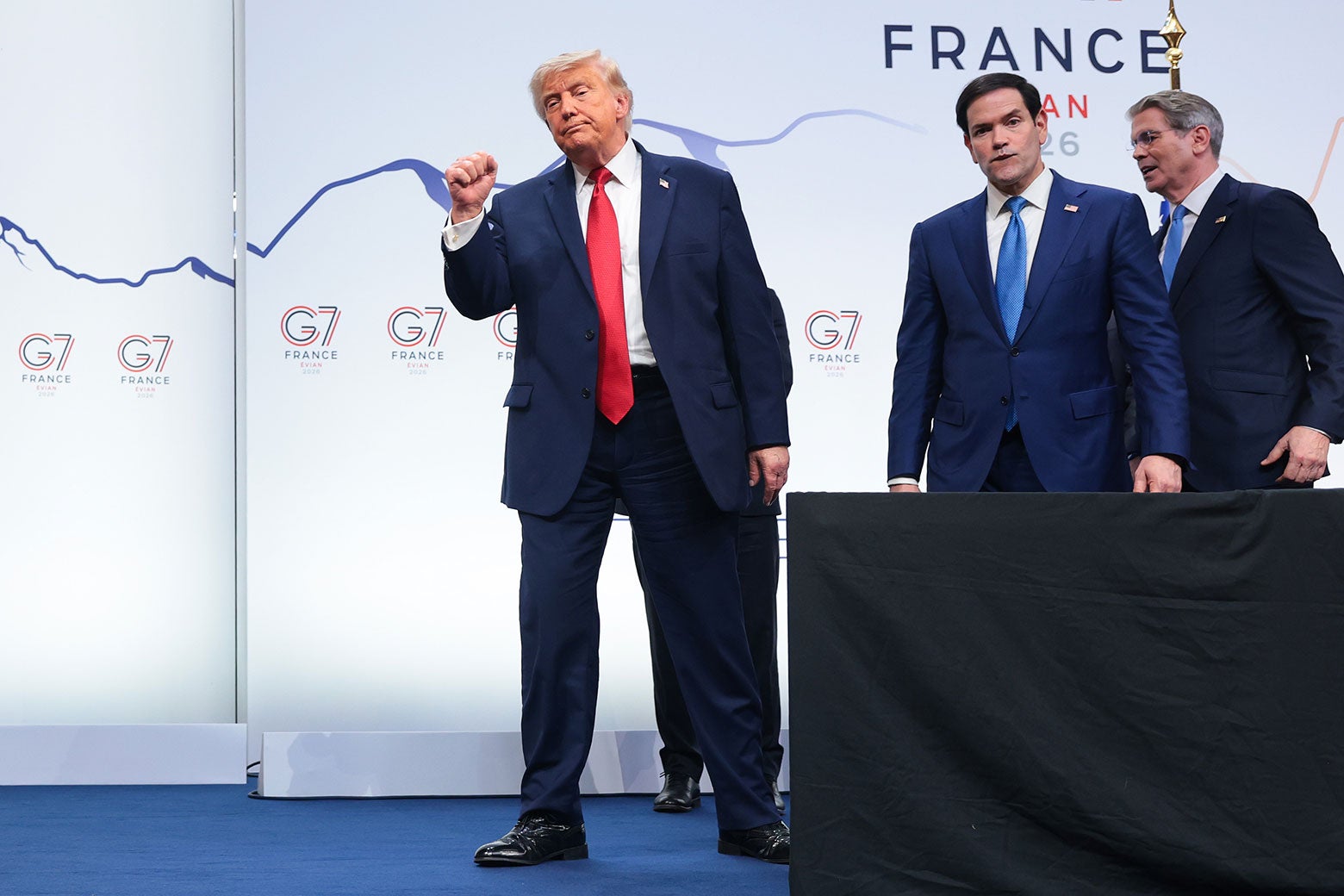
Schrödinger’s Iran Deal: It’s a Win Until You Read It
JD Vance is doing a full sales campaign for a deal that falls short of where things stood before Trump started the war. Nobody is buying it.
Right-Leaning Media's Perspective
- The End of a "Foolish War": Conservative outlets framed the agreement as a decisive and necessary conclusion to a costly conflict. The narrative focused on President Trump’s ability to move past "endless wars" and secure a peace that allows the U.S. to pivot its global focus.
- Compliance and Validation: Major coverage was given to Vice President Vance’s briefings, specifically his assertions that Tehran is already honoring its end of the bargain. This reporting aimed to project a sense of stability and executive competence in managing the transition to peace.
- Economic Relief at the Pump: Significant attention was paid to the immediate domestic impact of the deal, specifically the drop in gas prices. Outlets credited the signing of the agreement and the reopening of the Strait of Hormuz for providing instant financial relief to American families.

Vance says Iran is honoring their end of the deal
Vice President JD Vance began his White House briefing Thursday by touting the success of President Trump’s peace deal with Iran, saying Tehran was “honoring their end” of the deal.
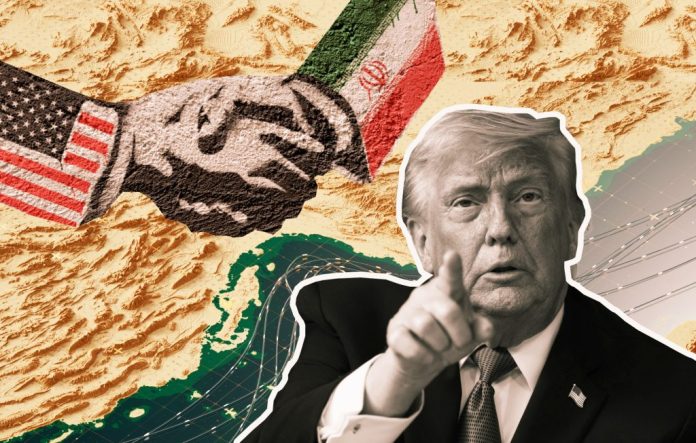
Feeble Iran deal a fitting end to a foolish war
In Focus delivers deeper coverage of the political, cultural, and ideological issues shaping America. Published daily by senior writers and experts, these in-depth pieces go beyond the headlines to give readers the full picture. You can find our full list of In Focus pieces here. President Donald Trump’s deal to end the war with Iran is […]