

Published 5/8/2026, 10:00:21 AM UTC
Friday's Summary
This briefing analyzes the news climate of the previous 24 hours, ending May 7, 2026. Today’s report evaluates a direct military exchange in the Strait of Hormuz, high-level diplomatic friction at the Vatican, and the administration's efforts to balance domestic economic pressure with an escalating foreign conflict.
How the coverage differs
The reporting on the Strait of Hormuz revealed a sharp divide in framing. Left-leaning outlets provided space for Iranian claims regarding the targeting of civilian vessels and focused on the fragility of the ongoing blockade. Conversely, right-leaning outlets prioritized the President's rhetoric of strength, focusing almost exclusively on the tactical success of the Navy and the promise of future escalation if Iran does not concede.
While both sides covered Secretary Rubio’s visit to the Vatican, the root cause of the tension was treated differently. The Left focused on the President's personal criticism of the Pope as a breach of diplomatic norms. The Right framed the visit as an exercise in "constructive" messaging, downplaying the personal friction in favor of a narrative about firm foreign policy. Finally, high-consensus reporting from Bloomberg introduced a factor largely minimized in the more partisan-exclusive reports: the economic impact of the conflict. This coverage noted that rising energy costs and a domestic "anti-war" sentiment among voters are creating significant political hurdles for the administration, regardless of the military outcome in the Strait.
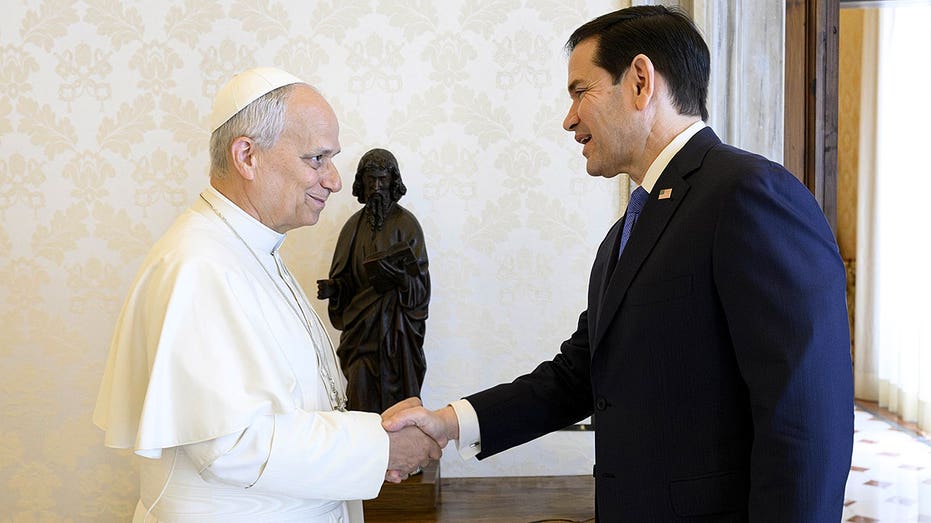
Rubio holds ‘constructive’ meeting with Pope Leo after Trump sends hard-line Iran message to Vatican
Rubio and Pope Leo held a private Vatican meeting to ease tensions between the Trump administration and the pontiff over the U.S.-Iran conflict.
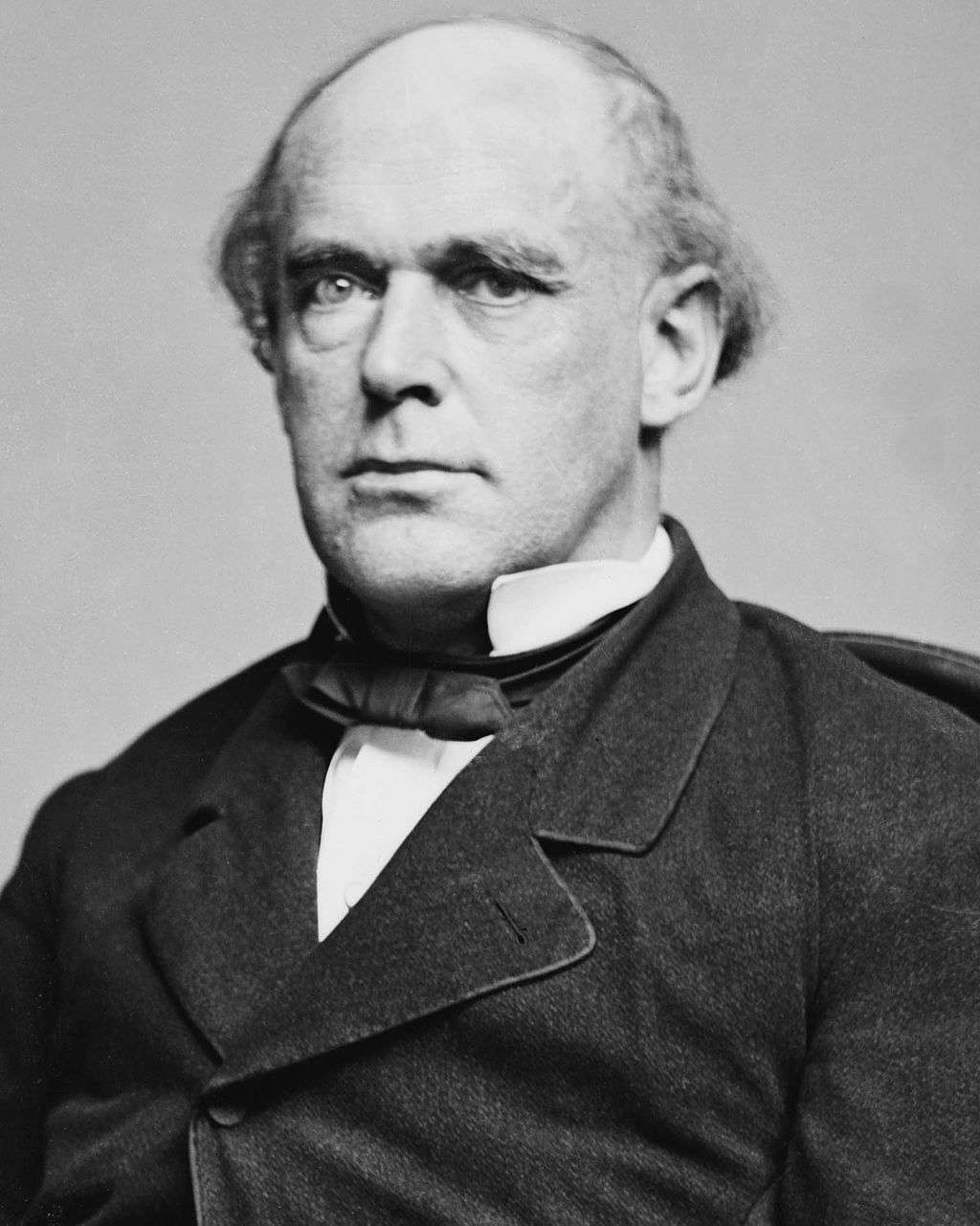
Today in Supreme Court History: May 7, 1873
5/7/1873: Chief Justice Salmon P. Chase died. One month earlier, he dissented in the Slaughter-House Cases, and was the lone dissenter in Bradwell… The post Today in Supreme Court History: May 7, 1873 appeared first on Reason.com.
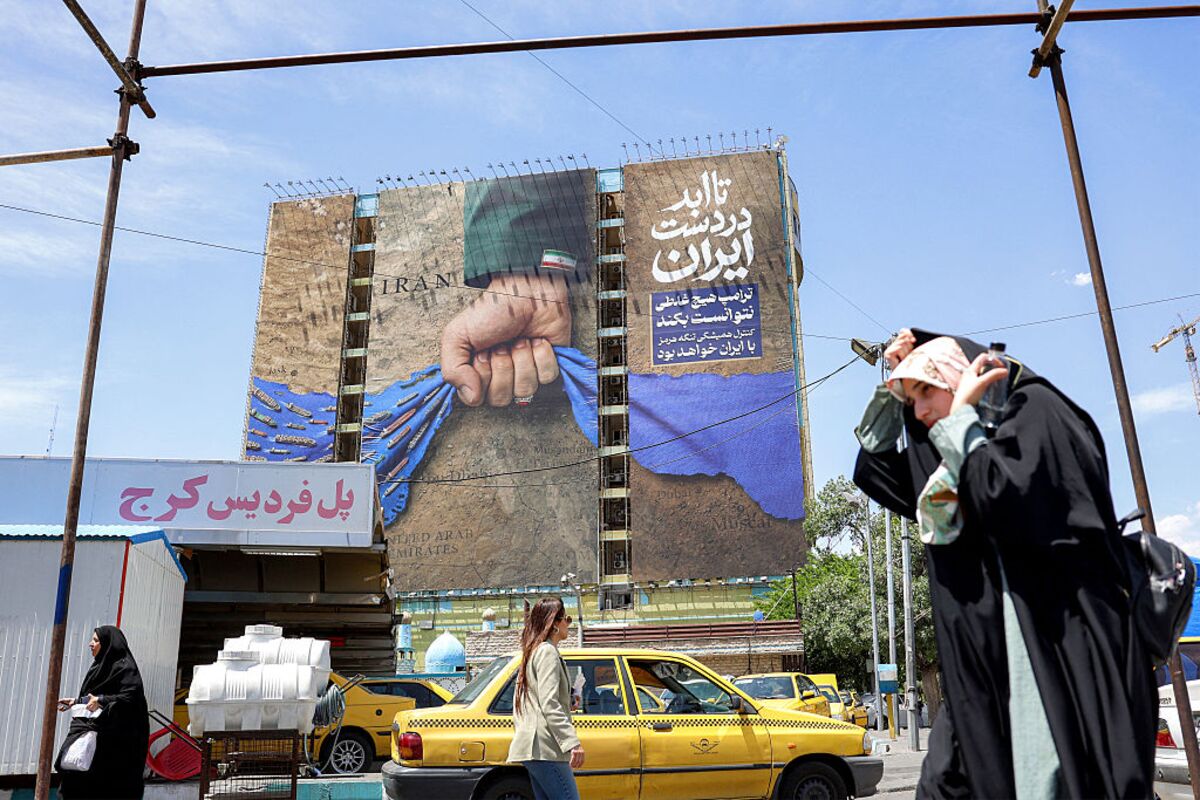
Iran Takes Its Time on a Response to Trump
The surge in energy costs is a major headache for Trump and American voters are increasingly against the war.
Left-Leaning Media's Perspective
- Tactical Nuance in the Strait: Reports emphasized the specifics of the military exchange, highlighting Iranian claims that U.S. strikes targeted an oil tanker and other commercial vessels. Coverage noted that while the U.S. maintains the exchange does not signal a resumption of war, Iran is viewing the strikes as a ceasefire violation.
- Vatican Friction: Significant attention was paid to the tension between President Trump and Pope Leo. Narratives focused on the President’s public criticism of the first American pontiff and the resulting diplomatic necessity of Secretary of State Marco Rubio’s "damage control" mission.
- The Brazil Summit: Outlets highlighted the upcoming White House meeting with Brazilian President Lula da Silva, framing it as a high-stakes attempt to stabilize a "rocky" relationship through trade and critical mineral agreements.
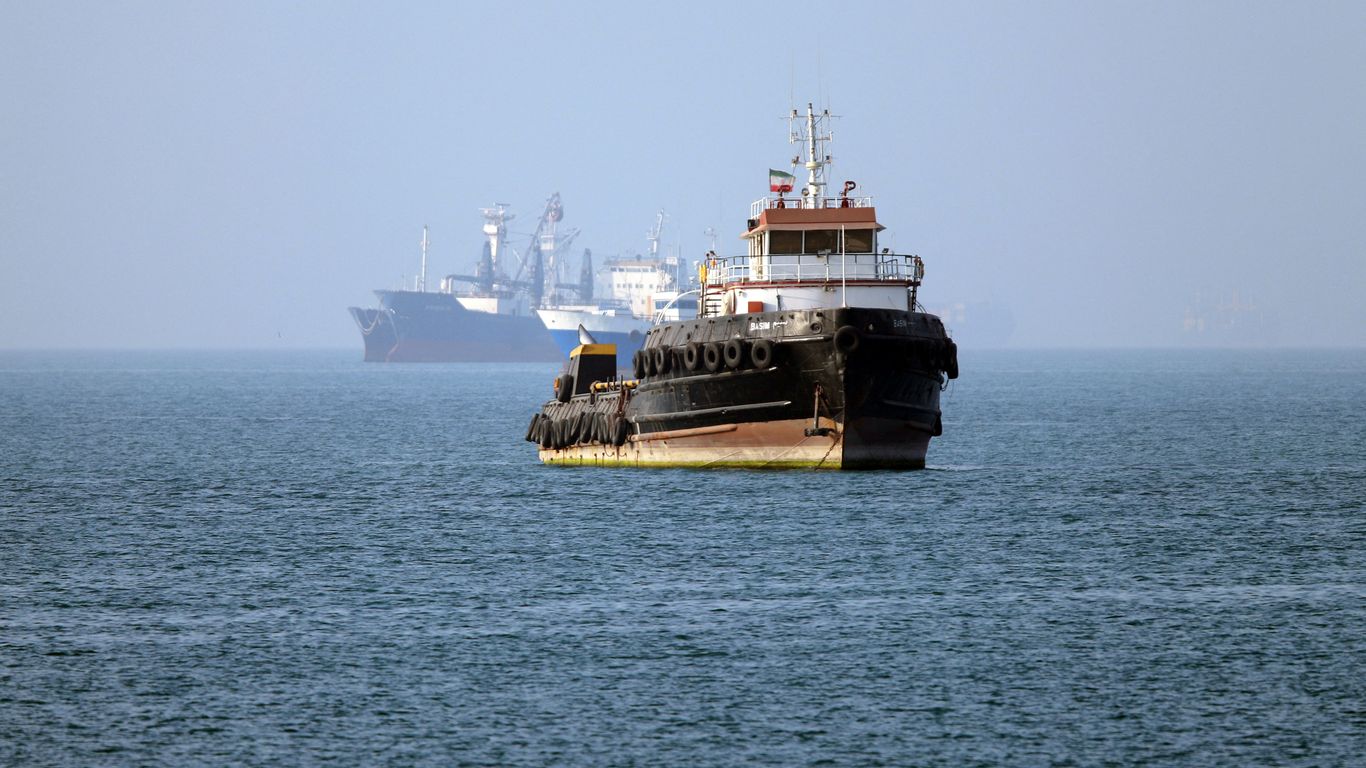
Iran and U.S. exchange fire in Strait of Hormuz
The U.S. and Iran both conducted attacks in the Strait of Hormuz on Thursday, with Iran firing missiles and drones at three U.S. naval vessels and the U.S. striking a range of Iranian targets.Why it matters: A U.S. official told Axios the exchange did not constitute a resumption of the war, but…

Trump to Host Brazil’s President Lula at White House After Months of Ups and Downs
President Trump and President Luiz Inácio Lula da Silva, who have had a rocky relationship, will meet on Thursday for talks on security, trade and critical minerals.
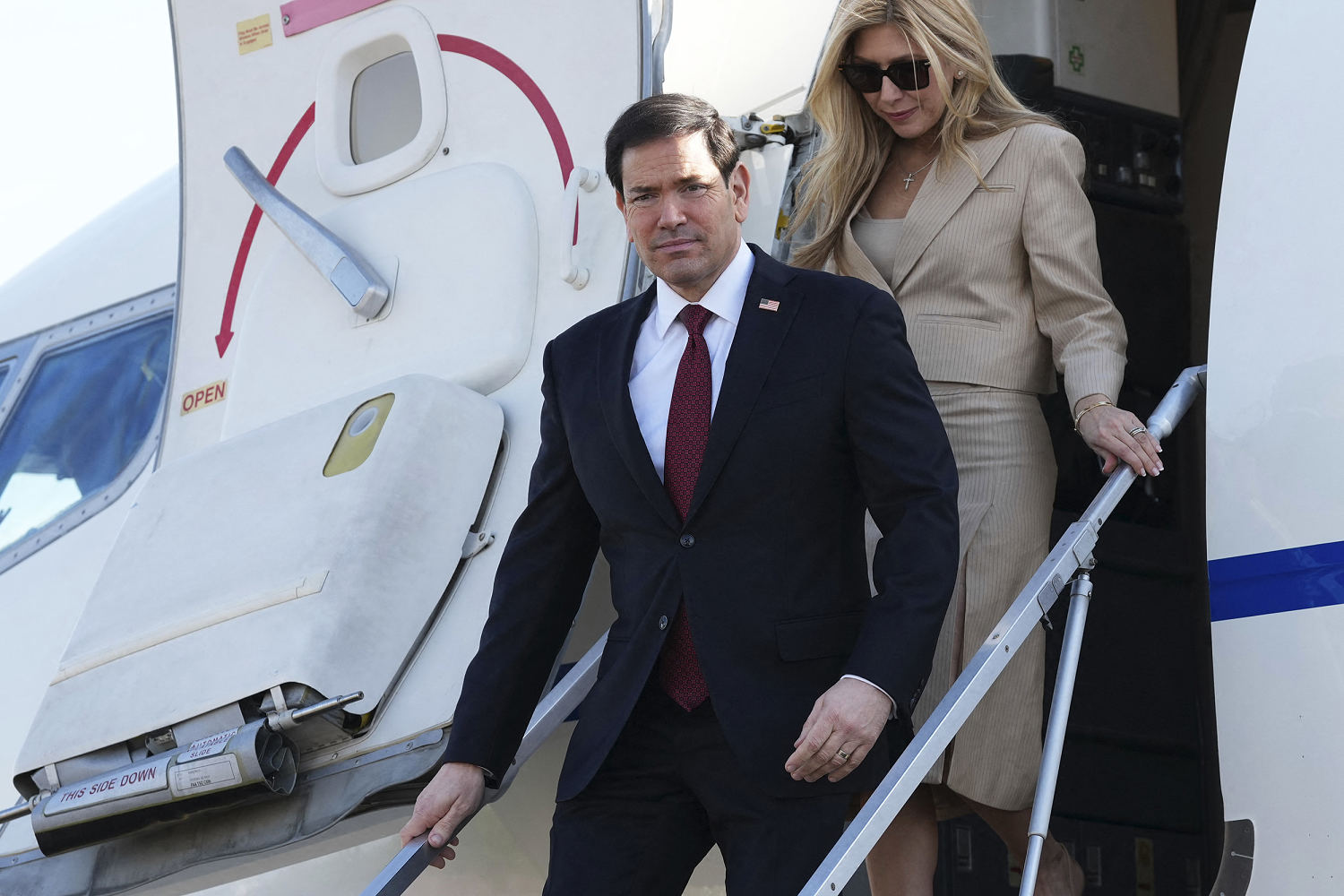
Marco Rubio meets with Pope Leo after Trump’s criticism over Iran war
Secretary of State Marco Rubio was set to meet with Pope Leo at the Vatican on Thursday, an audience that follows President Donald Trump’s criticism of the first American pontiff over the Iran war.
Right-Leaning Media's Perspective
- Deterrence and Retaliation: Coverage centered on President Trump’s "hard-line" warning that Iran would be hit "more violently" if a deal is not reached. Outlets highlighted the "successful" transit of U.S. destroyers and categorized the Iranian drone and missile launches as "unprovoked."
- Constructive Diplomacy: Regarding the Vatican, narratives focused on the "constructive" nature of Secretary Rubio’s meeting. The framing suggested Rubio was delivering a firm American message rather than merely smoothing over a disagreement, characterizing the mission as a strategic move to align the Vatican with U.S. interests.
- Historical Precedent: Unique focus was given to Supreme Court history, specifically the death of Chief Justice Salmon P. Chase, providing a legalistic and historical backdrop to current judicial and executive tensions.
Today in Supreme Court History: May 7, 1873
5/7/1873: Chief Justice Salmon P. Chase died. One month earlier, he dissented in the Slaughter-House Cases, and was the lone dissenter in Bradwell… The post Today in Supreme Court History: May 7, 1873 appeared first on Reason.com.
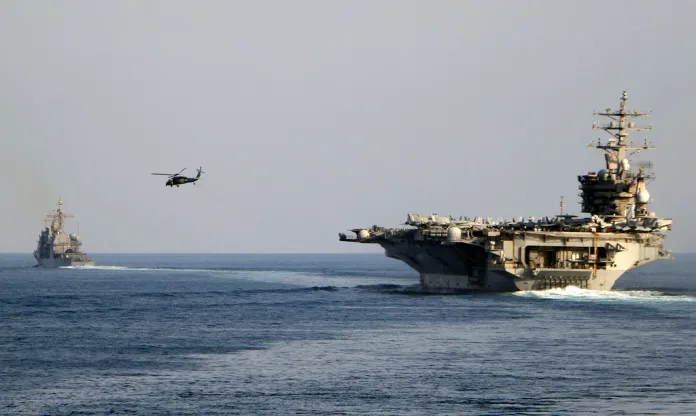
Trump vows to hit Iran ‘more violently’ if deal not struck after Strait of Hormuz attack
President Donald Trump promised to strike Iran “a lot harder, and a lot more violently” if it did not make a deal with the United States following what Trump suggested was an unprovoked attack on U.S. Navy vessels in the Strait of Hormuz. “Three World Class American Destroyers just transited, very…
Rubio holds ‘constructive’ meeting with Pope Leo after Trump sends hard-line Iran message to Vatican
Rubio and Pope Leo held a private Vatican meeting to ease tensions between the Trump administration and the pontiff over the U.S.-Iran conflict.