

Published 4/27/2026, 10:00:31 AM UTC
Monday's Summary
This briefing analyzes the news climate of the previous 24 hours ending April 26, 2026. Following a shooting and security breach at the White House Correspondents’ Dinner on Saturday night, media coverage has coalesced around the identity of the suspect while diverging on the broader implications for national security and political rhetoric.
How the coverage differs
The primary point of consensus across the spectrum is the identity of the suspect, Cole Tomas Allen, and the basic facts of his apprehension at a security checkpoint. However, the interpretation of the event's "cause" reflects a deep divide. Left-leaning outlets focused on the sociological and legislative aspects, framing the shooting as a consequence of national division and a lack of gun regulation. Right-leaning outlets instead focused on the technical and administrative failures of the Secret Service, framing the event as a security lapse that necessitates more fortified, centralized presidential venues.
Furthermore, there is a notable divergence in how the "manifesto" and the suspect’s background are being utilized. Right-leaning outlets are using Allen’s profession and alleged writings to define his intent and political motivations. Meanwhile, left-leaning outlets have largely avoided detailing the contents of any alleged manifesto, focusing instead on the legal definitions of the charges and the broader threat of political violence regardless of the suspect's specific ideology. Finally, the "White House Ballroom" project emerged as a significant talking point for the Right that was almost entirely absent from Left-leaning coverage, which focused more on the Department of Justice's response.
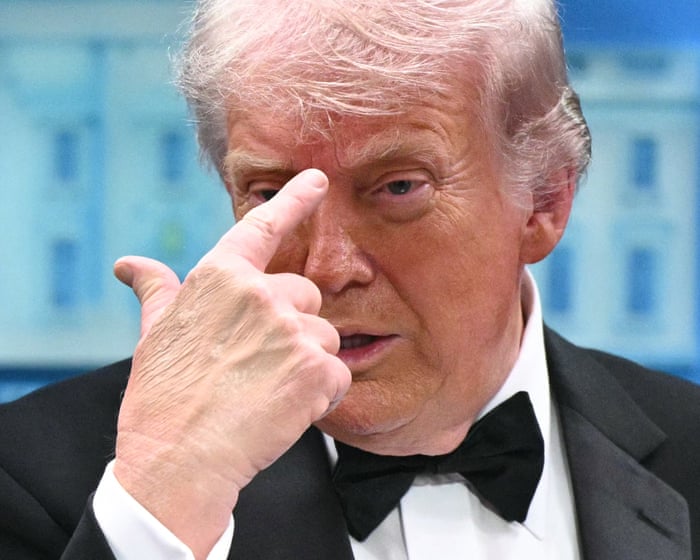
White House Correspondents’ Dinner suspect to be charged as Trump prepares to welcome king – US politics live
Suspect in Saturday evening’s shooting – Cole Tomas Allen – expected to be formally charged in court todayGood morning, and welcome to our live coverage of US politics.The suspected gunman in the shooting at the White House correspondents’ dinner on Saturday evening, identified as 31-year-old Cole…
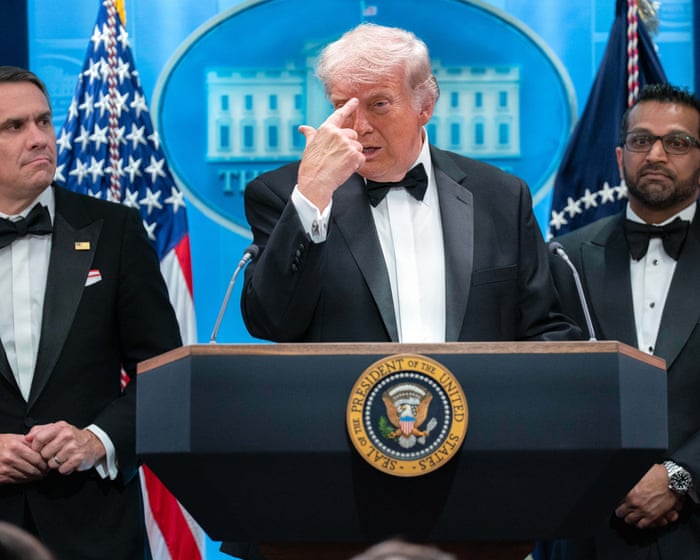
White House press dinner shooting suspect to face criminal charges
Alleged shooter expected to appear in federal court and could be charged with trying to assassinate TrumpThe suspected gunman who tried to storm the White House correspondents’ dinner was expected to appear in federal court to face criminal charges on Monday.The alleged shooter, identified by law…
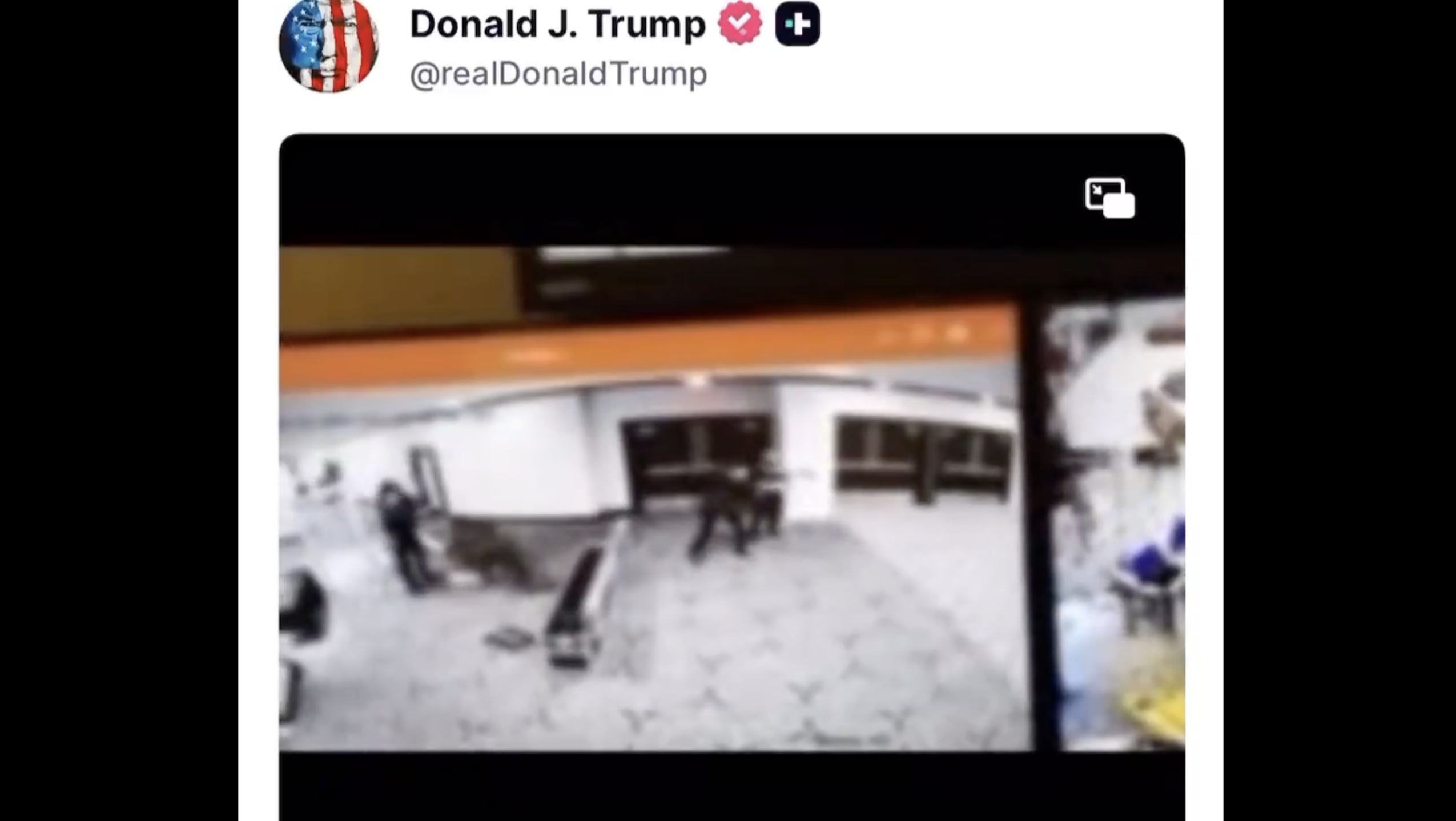
The Secret Service Failed Trump — Again
The suspect was ultimately stopped. But that isn't proof that the system worked, in fact, it's evidence that every decision made leading up to the moment didn't.
Left-Leaning Media's Perspective
- National polarization and gun control. Outlets characterized the shooting as a symptom of a "stunned" and "angry" nation. Coverage heavily emphasized the need for renewed debates on gun control and the dangers of escalating political violence in a polarized climate.
- The dispatch from the scene. Reports prioritized the chaotic atmosphere inside the Washington Hilton, detailing the experiences of journalists and officials diving for cover. This narrative framed the event as a "brazen attack" on both the government and the media establishment.
- Legal pursuit of assassination charges. Significant attention was given to an interview with Acting Attorney General Todd Blanche, who confirmed that the suspect could face charges specifically for attempting to assassinate President Trump and other top administration officials.
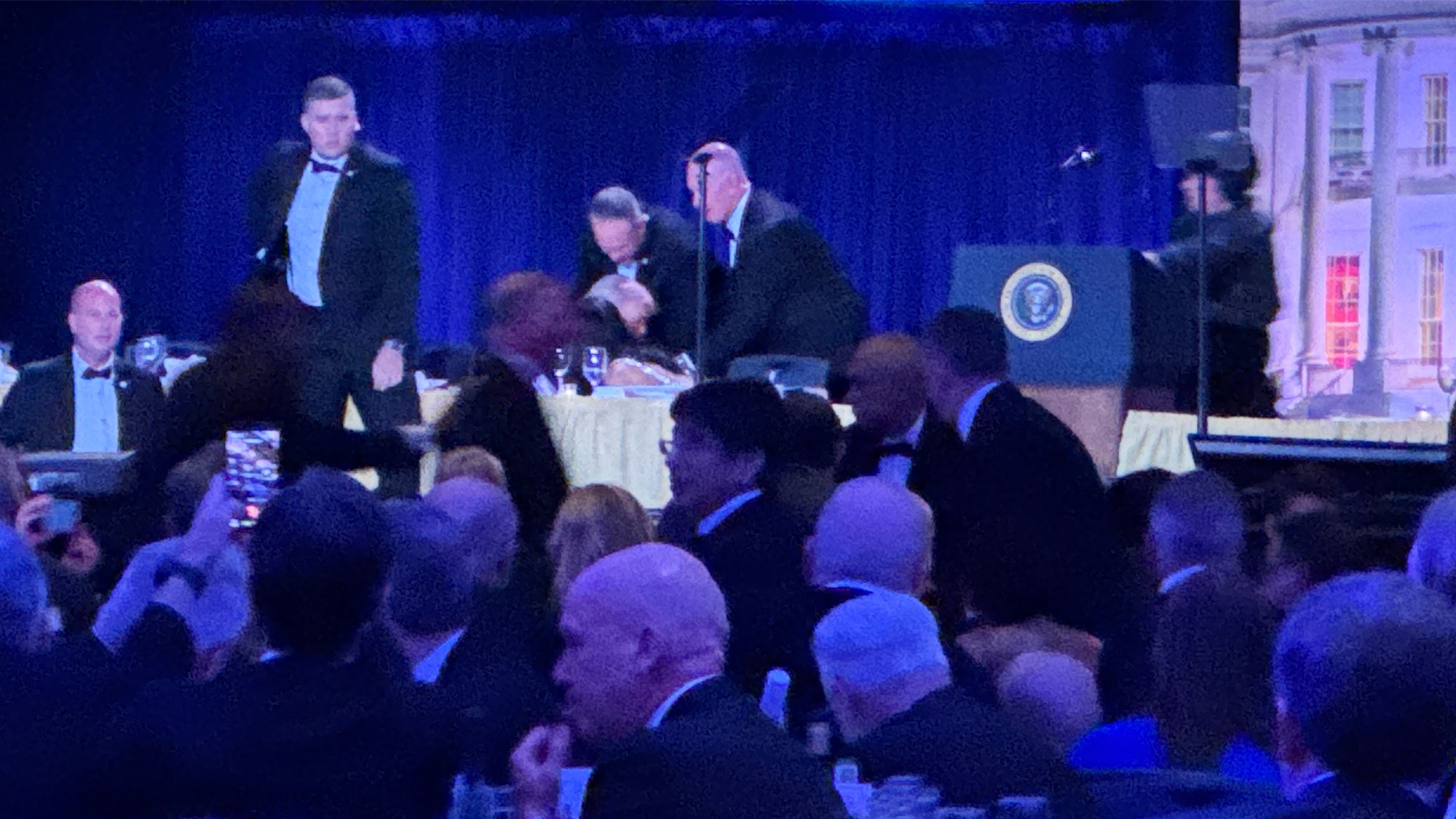
A Shooting at the White House Correspondents’ Dinner
A dispatch from the chaotic scene at the Washington Hilton
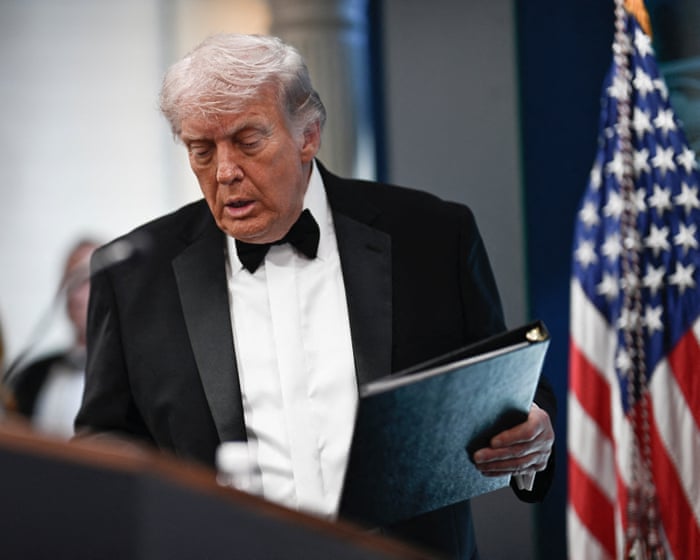
White House press dinner shooting suspect could be charged with trying to assassinate Trump, says Blanche
Acting attorney general says suspect was believed to have been targeting top Trump administration officials The gunman who tried to breach the ballroom at the White House Correspondents’ Association dinner in Washington DC on Saturday night could be charged with trying to assassinate Donald Trump,…
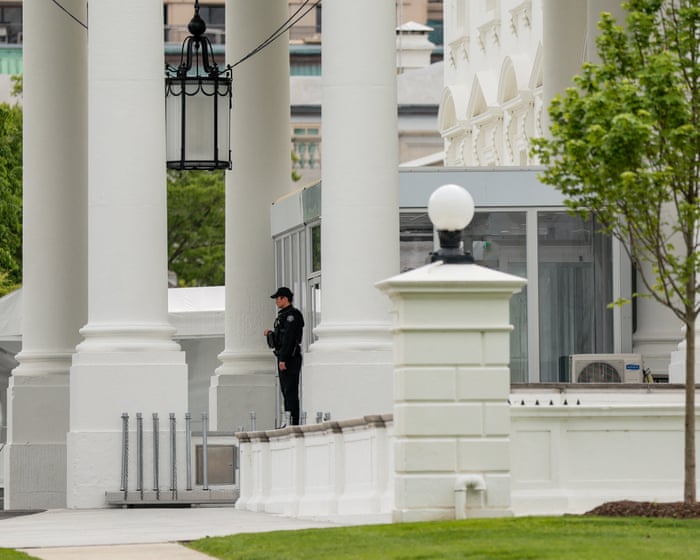
Washington in shock after White House press dinner shooting: ‘an angry, polarized nation’
Questions raised about political violence, security and gun control after brazen attack at event attended by top officialsWhite House press dinner shooting aftermath – latest updatesA stunned Washington faced searching questions about political violence and gun control on Sunday after shots were…
Right-Leaning Media's Perspective
- Suspect profile and alleged manifesto. Coverage provided granular details on 31-year-old Cole Tomas Allen, identifying him as a teacher from California. Outlets highlighted reports of a "manifesto" sent by the suspect and his alleged admission that he was specifically targeting Trump administration members.
- The "White House Ballroom" as a security necessity. Reports amplified President Trump’s Sunday comments claiming the shooting justifies the construction of his planned White House ballroom and military bunker. This narrative argues that the incident proves current off-site venues are fundamentally insecure.
- Secret Service accountability. Media on the right focused on the perceived failure of the security apparatus, arguing that while the suspect was apprehended, the breach itself is evidence of systemic flaws within the Secret Service rather than a success of the current protocol.

White House Correspondents Dinner shooting suspect Cole Allen admits he was targeting Trump officials: report
Allen, a teacher from Torrance, Calif., was identified by sources as the suspect accused of rushing a security checkpoint armed with a shotgun, a handgun and multiple knives before he was subdued.

Sunday Talks – President Trump Fox News Interview Following Assassination Attempt at White House Correspondent’s Dinner
President Trump calls in to Fox News following the assassination attempt last night at the White House Correspondent’s Dinner. WATCH: Details are surfacing about Cole Tomas Allen, the 31-year-old California schoolteacher who tried to gain entry to the venue in order to assassinate President Trump…
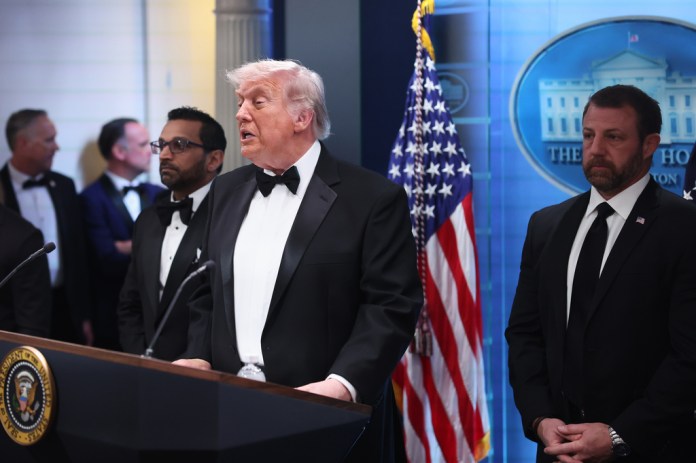
Trump says dinner shooting justifies White House ballroom: ‘Cannot be built fast enough’
President Donald Trump on Sunday said “nothing” should be allowed to interfere with the construction of his White House ballroom, arguing that Saturday night’s shooting at the dinner would “never” have happened at the planned venue. The ballroom, which will include a military bunker as part of its…