Transcript: Trump’s Choices in Iran Are “Humiliation or Escalation”
Source: The New Republic · Bias: Left
Summary
This is a lightly edited transcript of the April 20 edition of Right Now With Perry Bacon. You can watch the video here or by following this show on YouTube or Substack.Perry Bacon: I am Perry Bacon. I’m from The New Republic show Right Now. I’m joined by Elizabeth Saunders. She’s a professor of political science at Columbia University. She focuses on international relations and U.S. foreign policy decisions. So Elizabeth, we were talking earlier and we had a little technical problem, so we’re back now.... You had this post on Bluesky where you said, essentially, Trump’s choices are “humiliation or escalation.” Explain that.Elizabeth Saunders: So I think of this as a problem with a giant immovable object in the middle of it, and that is the Strait of Hormuz. We could talk about the nuclear problem—that problem had been solved diplomatically, Trump undid it. One could imagine a world in which he bombs and bombs, and then the Iranians feel enough pain that they come to the table. But when you bring the Strait of Hormuz into it, you really change the game, because the Iranians have this leverage. All you have to do is look at a map to see it. No other country can really exert that leverage. That means that up to a point, Trump can’t really do much from this perspective. Having expended all this military power, he can try to inflict incredible pain, as he threatened to do with those genocidal Truth Social posts. But obviously that’s not good, and may not even work—or would work so well that it would destroy Iran as a country, and that doesn’t seem like a good option.So that’s an escalatory path. But the humiliation path—it’s hard to imagine. Both sides do want to come to a deal. It’s pretty clear that Iran has suffered a lot and Trump just wants out, so that’s good. But the nuclear deal is not really on the table in the same way. The Iranians would have to be given something to cede to the deal, and they’re definitely not going to give up their leverage. You could say that the Strait is open—as world leaders did on Friday. It was kind of incredible that they just took this tweet from Iran, which didn’t even say the Strait is open unconditionally. It just said, The Strait is open subject to the conditions of the Iranian navy, or something like that. Everybody was just like, Yay, the Strait is open. It wasn’t—and it’s somehow even more closed again now.In order to get to a deal, the U.S. is going to have to give up something, and probably learn to live with at least the Iranian threat looming over the Strait of Hormuz. To do anything about that would require a long-term military presence. What’s probably going to happen is Trump is going to sign a piece of paper and walk away, declare a victory. But that is really a humiliation wrapped in what he’s going to try to claim is a bow.Bacon: You said we have to give—so what is the thing the U.S. is going to end up giving?Saunders: Sanctions relief, or releasing all this money that Iran has that’s been frozen. Of course Trump himself—and Republicans—screamed bloody murder when—Bacon: Barack Obama did it.Saunders: Yeah, and Biden, as well, released some frozen funds. But it’s a negotiation, right? You do these arms control deals, which is what the JCPOA—the Iran nuclear deal under Obama—was. If you want them to give up what they view as regime insurance, invasion insurance, you have got to give them something.Even though both sides want a deal—I saw this morning, I think it came from the White House, but I couldn’t be sure—somebody was quoted in The New York Times saying, The deal is moving forward, the Strait of Hormuz and the nuclear issue remain the big issues. That’s like, Aside from that, Mrs. Lincoln, how was the play? These are big fundamental issues. It’s not even just that the JCPOA took 18 months—it is complicated, it would take a long time to hash out the details. On some basic level, you just run into this brick wall of geography.They overcame a lot of these obstacles on the very complicated issue of nuclear material and enrichment in 2015, but now they’ve also got to solve the Strait of Hormuz problem. I cannot imagine a solution that doesn’t require either a massive commitment of U.S. military force in the long term—I don’t even know what that looks like, most people don’t think there’s a military solution to this—or some kind of tacit acceptance of Iranian control, which is the humiliation side.Bacon: You said the military and political objectives are not aligned here. The military did accomplish ... bombing Iran, killing lots of leaders there. But the political objectives were ending the nuclear program and, to some extent, regime change, and those things are probably—the latter particularly—off the table now.Saunders: Yeah. They did kill a lot of the top Iranian leadership, even on that first day, when they killed the ayatollah. In that sense it was a tactical success, with Israeli intelligence, which is unmatched and incredible in many ways.
Related Coverage
- Trump, ballot seizures and a ‘declaration’: Gavin Newsom teases tiresome July 4 address to the state (Right — New York Post)
- 'Not mentally well': MAGA suspects Trump sabotaged by liberals armed with weather machines (Far Left — Raw Story)
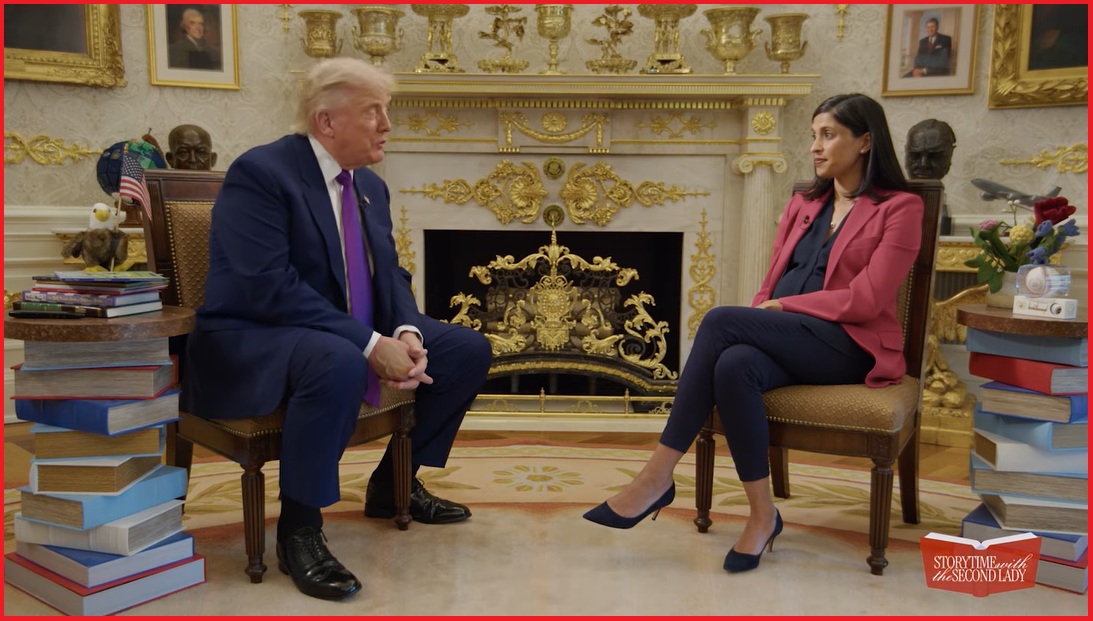
- ‘The second-most good-looking president’: Trump entertains on Usha Vance’s program (Far Right — WorldNetDaily)
- President Trump Reads “Presidents Play” (Far Right — The Last Refuge)
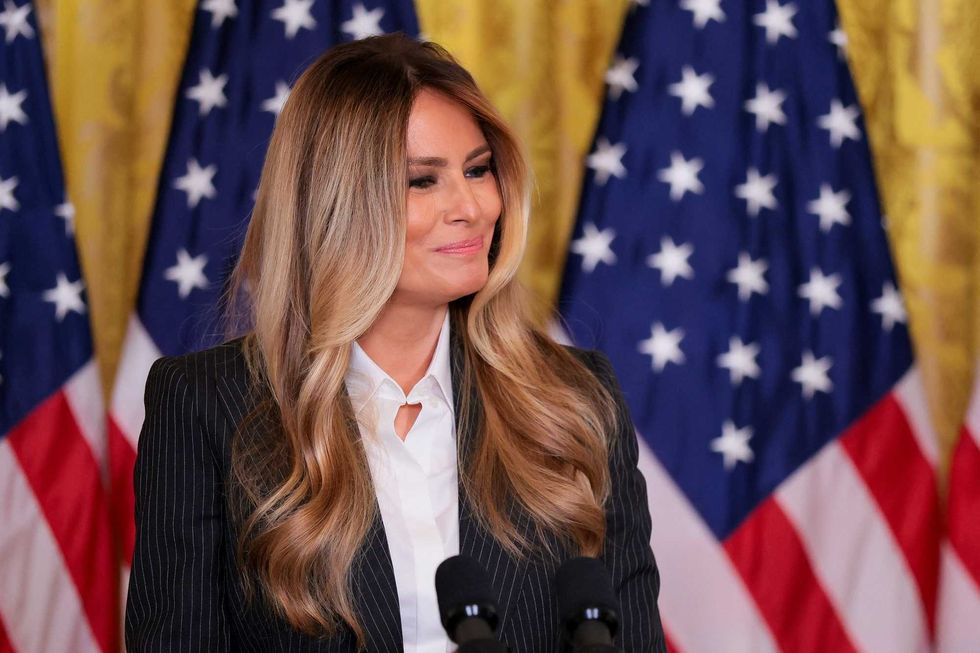
- Melania gives Congress private deadline as she works around Trump's team: report (Far Left — Raw Story)
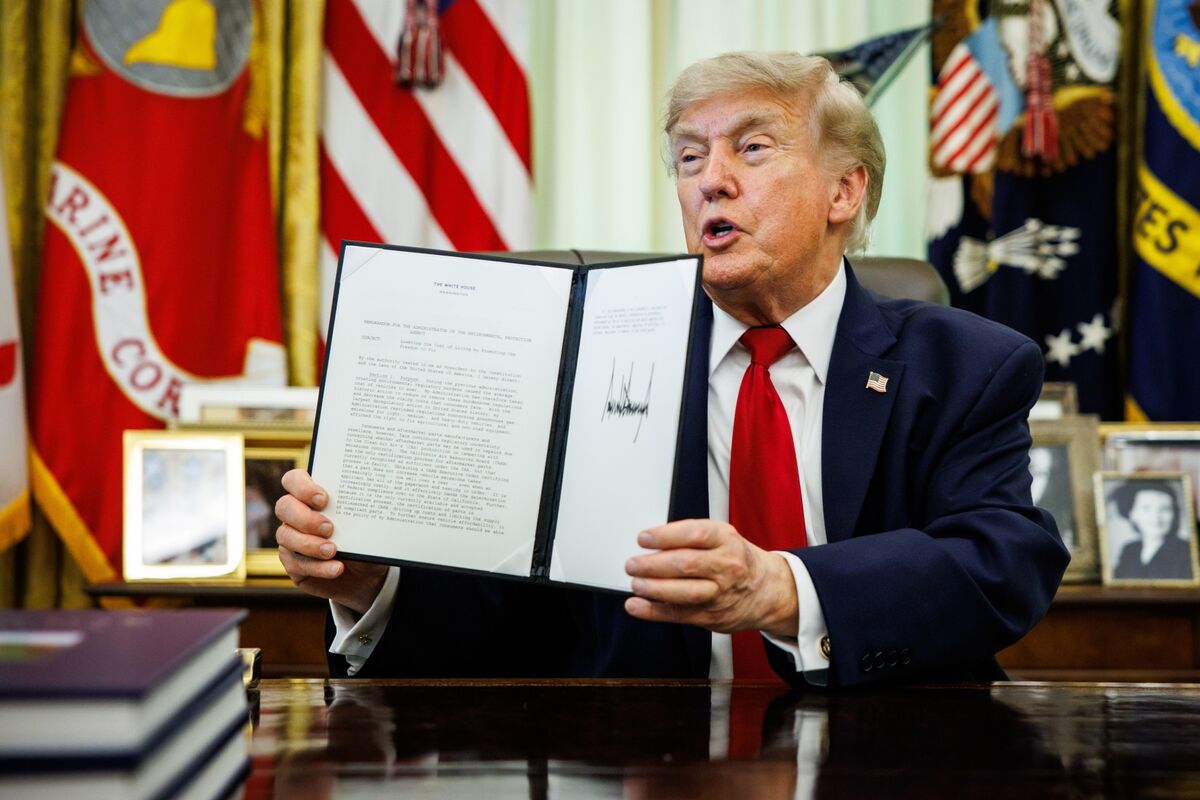
- Trump announces pardons for pollution violators prosecuted for "fixing their car" (Center — Politics - CBSNews.com)
- Trump Pardons Six People Pursued for ‘Fixing Their Car’ (Center — Bloomberg Politics)
- Sources: Trump likely to pardon pollution violators; weighing clemency for Diddy (Center — Politics - CBSNews.com)
Daily Analysis
Read the full Parallax Pulse for April 23, 2026 — an AI-powered analysis of how Left and Right media covered the biggest stories this day.
More Headlines From April 23, 2026
- Debate Night Live: Race for California governor (Center)
- Republicans 'ceded competence': Ex-conservative nails GOP for digging their own grave (Left)
- Anthropic: No "kill switch" for AI in classified settings (Center Left)
- Senate GOP launches all-night vote-a-rama to fund ICE, Border Patrol through end of Trump's term (Right)
- Two GOP senators break ranks on final Senate budget vote (Center)