NYT > U.S. > Politics
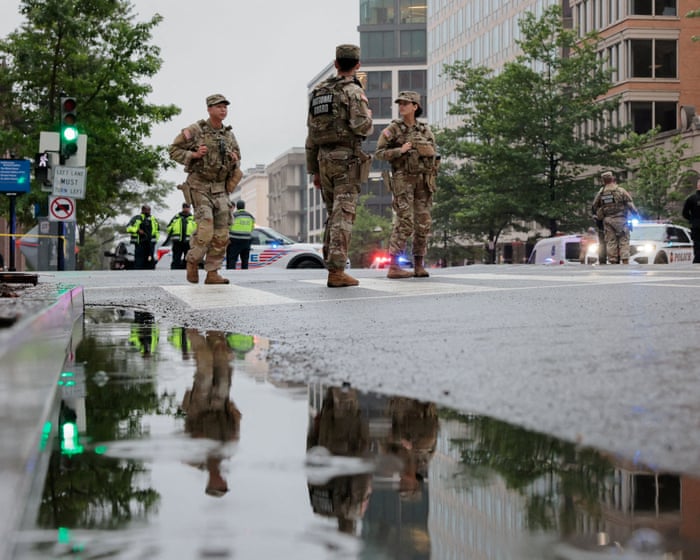
Bystander Wounded in White House Shooting Is in Stable Condition
The Metropolitan Police Department is investigating to determine who shot the bystander, who underwent surgery, and how many bullets were fired.
Center Left
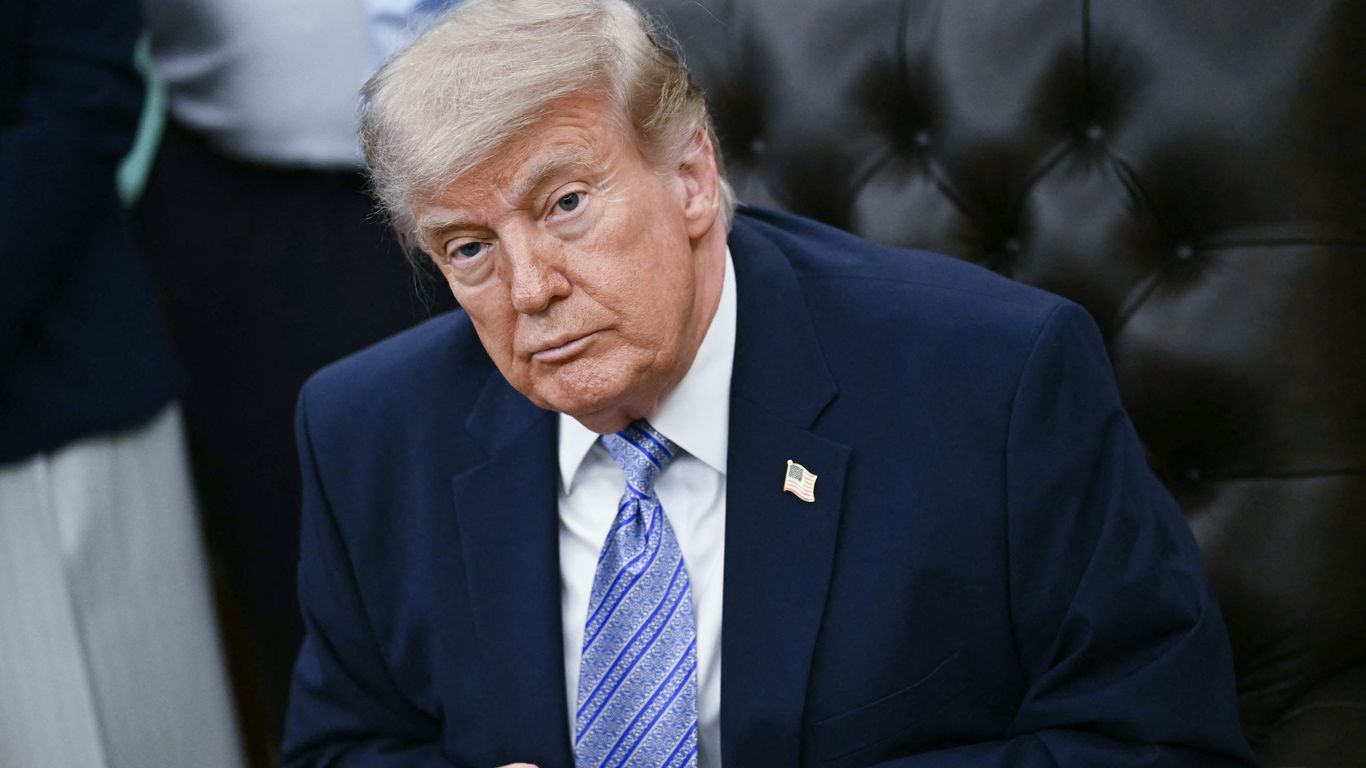
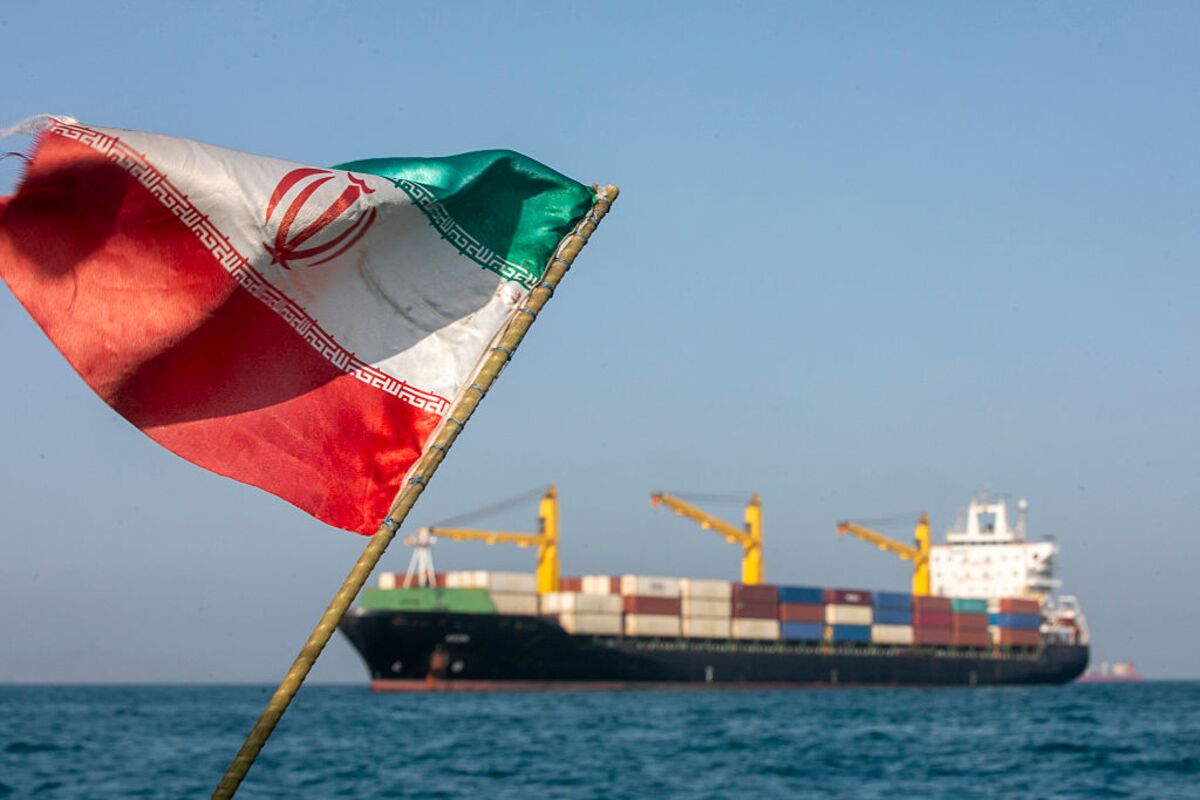
The White House doesn't expect an agreement to end the war with Iran Sunday and thinks it could take several days for the deal's approval by Iran's leadership, including Supreme Leader Mojtaba Khamenei, a senior U.S. official said in a briefing with reporters. Why it matters: While U.S. officials are optimistic that a deal will be signed within days, they also acknowledge it has not been finalized and could still fall apart. "We are in a very good place — but there are ways in which the deal can be undermined," a senior U.S. official said.The deal would avoid an escalation of the war and decrease the pressure on the global oil supply. However, it's unclear whether it will lead to a lasting peace agreement that also addresses President Trump's nuclear demands.President Trump told his "representatives not to rush into a deal" with Iran, he announced Sunday on Truth Social, saying "both sides must take their time and get it right."He said the U.S. naval blockade will "remain in full force and effect until an agreement is reached, certified, and signed."State of play: The senior Trump administration official said there are still details "to work out," but the "slow and opaque" nature of Iran's decision-making system could delay an agreement by another few days."There is still back and forth on specific details. Some words we care about, Some words they care about," the U.S. official said."Our understanding is that the Supreme Leader, Mojtaba Khamenei, has endorsed the broad template of the deal. Whether this becomes an agreement is still an open question," the official added. The other side: Iran's state media on Sunday accused the U.S. of "creating obstacles" in the negotiations. Iranian President Masoud Pezeshkian said on Sunday that Iran is "ready to reassure the world that we are not seeking nuclear weapons" but stressed negotiators "will not compromise when it comes to our country's honor and dignity."Zoom in: The U.S. official said the draft agreement opens up the Strait of Hormuz in exchange for the U.S. lifting its naval blockade. While the strait opens and the global economy gets "breathing room," the parties would negotiate limitations on Iran's nuclear program. As part of the deal, the Iranians "will agree in principle to dispose" of their enriched uranium stockpile, and the parties will discuss how to do it. "Nobody disputes that the stockpile will be disposed of. The question is how," the official said.The Trump administration wants the final deal to cover all of Iran's roughly 2,000 kilograms of enriched uranium, not just the 450 kilograms enriched to near-weapons-grade levels. "It will all be part of the discussion," the official said. As part of the draft agreement, Iran has committed to discussing a moratorium on uranium enrichment, but the parties still need to negotiate how long this moratorium will last."We want to see a substantial commitment to forgo enrichment. We think we will get it. We feel good about where we are on the broad commitments regarding the enrichment issue," the U.S. official said.What to watch: The principle driving the deal is that the more Iran concedes on enrichment and nuclear material, the more sanctions relief it receives, the U.S. official said."No dust, no dollars. If no highly enriched uranium is given [up], they will get no relief," the U.S. official said. "The more they do, the more they get. There will be no immediate unfreezing of funds."Between the lines: The main difficulty on enrichment and nuclear material has to do with Iranian "national pride considerations" and how the Iranians "sell it" domestically, the official said.The intrigue: Some Republican senators and conservative commentators close to Trump have criticized the emerging deal, with some comparing it to the 2015 nuclear deal signed by President Obama.In his Truth Social post, Trump pushed back and called the Obama-era nuclear deal "one of the worst deals ever made." He said his current negotiations with Iran are "THE EXACT OPPOSITE."Behind the scenes: Israeli Prime Minister Benjamin Netanyahu and his team have been involved in the process of negotiations, the U.S. official said. "We don't want them to be blindsided. The coordination has been quite close." But Israeli officials tell Axios that Netanyahu is deeply concerned about the emerging deal and skeptical Iran's supreme leader will approve it.In their phone call Saturday, Netanyahu told Trump that Israel will "preserve its freedom of action against threats on all fronts, including Lebanon," an Israeli official said.Netanyahu said later in a statement that Trump "reaffirmed Israel's right to defend itself against threats on every front, including Lebanon.""We agreed that any final agreement with Iran must eliminate the nuclear danger … dismantling Iran's nuclear enrichment sites and removing its enriched nuclear material from its territory," Netanyahu said.