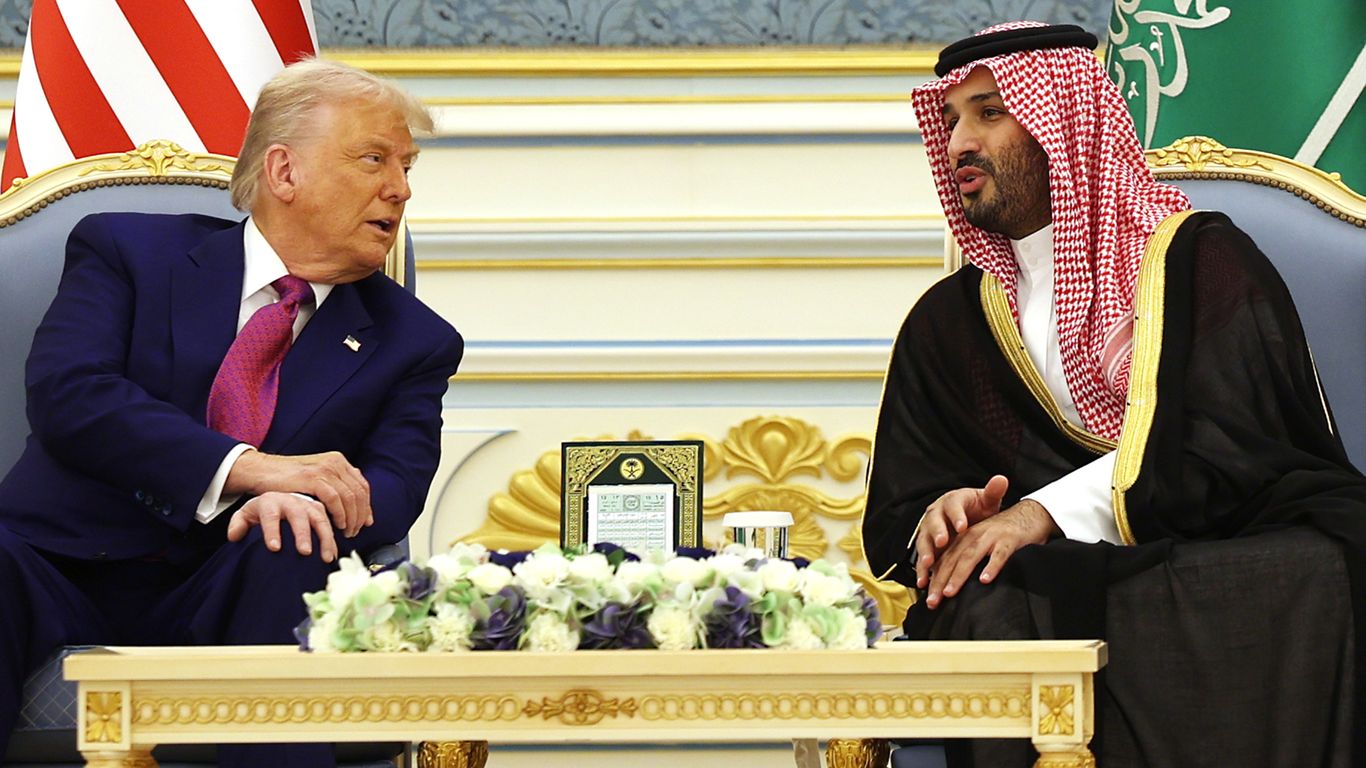
Margaret Sullivan, a Guardian US columnist, argues that mainstream media has largely normalized the extraordinary corruption and chaos of President Trump's second term, treating scandals as routine political theater rather than threats to democratic governance.Sullivan catalogs Trump's disturbing behavior and policies: his admission that he's not thinking "even a little bit" about Americans' personal finances during Iran negotiations, his apparent drowsiness in meetings, his unhinged social media posts, and his constant lies about the Iran war. She also points to larger abuses of power including the $1 billion ballroom project and the controversial $1.8 billion "anti-weaponization fund" intended to compensate Trump allies, potentially including January 6 rioters, using taxpayer money.Yet, she argues, these developments receive minimal sustained coverage. Sullivan observes that what would have triggered weeks of headlines and possible impeachment proceedings in previous administrations is now treated as simply "Trump being Trump"—as if his presidency exists outside the normal bounds of journalistic scrutiny. The sheer volume of scandals has created what observers call a normalization effect, where each outrage fades before the next one emerges.The media's failure to maintain consistent scrutiny reflects a broader pattern of editorial capitulation. Major newsrooms have faced criticism for treating Trump's statements and actions with an evenhandedness inappropriate to the gravity of the issues. Cable news networks, in particular, have been accused of balancing coverage between what Trump says and the factual record, effectively granting credibility to false claims through what media critics call "both-sides" journalism. Meanwhile, network evening newscasts have dramatically reduced investigative reporting in favor of shorter segments that struggle to convey the complexity and severity of institutional corruption.Sullivan highlights a stark contrast between media treatment of Trump and his predecessor. One observer noted the irony that journalists helped force Biden from his reelection campaign for being too old, yet ignore that Trump, now 79 and turning 80 next month, displays apparent physical and mental decline that hasn't received comparable scrutiny. During Biden's final weeks in office, cable news devoted extensive coverage to his debate performance and calls for his withdrawal. By contrast, reporting on Trump's fitness for office has remained scattered and episodic, with major outlets declining to launch sustained investigations into the president's cognitive state or capacity to govern.The media's response to the slush fund story exemplifies this pattern. While The New York Times initially led with the story, quoting Citizens for Responsibility and Ethics in Washington calling it "one of the single most corrupt acts in American history," mainstream outlets quickly moved on. NBC's evening news shifted focus to other stories within days, while Fox News offered cursory coverage, primarily amplifying Trump allies like JD Vance. More significantly, few major outlets followed up with investigative reporting on how the fund would function, who would benefit, or the legal mechanisms through which taxpayer money would be distributed to Trump associates.Media analysts have pointed to structural factors driving this coverage failure. Advertising-dependent networks benefit from the viewership that Trump generates, creating perverse incentives to cover him constantly but not critically. Editorial decisions at major outlets have increasingly emphasized breaking news cycles over sustained investigations, making it difficult for newsrooms to maintain focus on a single issue long enough to move public opinion or trigger political consequences.Sullivan identifies what she calls the "flood the zone" strategy—a deliberate technique to overwhelm media capacity for sustained investigation. With constant outrages competing for attention, journalists struggle to maintain focus on any single scandal before the next emerges. Trump threatens Cuba, dismisses Americans' budget concerns, and pursues authoritarian relationships, yet none receives adequate investigation. Critics note that this strategy relies on media outlets' existing bias toward episodic rather than thematic reporting, making sustained coverage of systemic corruption nearly impossible.Sullivan argues that corporate media remains "highly distractible and largely deferential," not entirely unhappy with Trump's presidency because it generates constant outrage and viewership. Studies of cable news during Trump's second term show that major networks devote significant airtime to Trump-related stories while devoting proportionally less time to investigative reporting or policy analysis.